Your May 2019 Mosquito Lagoon & Indian River Fishing Report
Published: Wed, 05/01/19
| Newsletter Issue # 118 | May 1, 2019 |
||||||
Mosquito Lagoon & Indian River Fishing |
|||||||
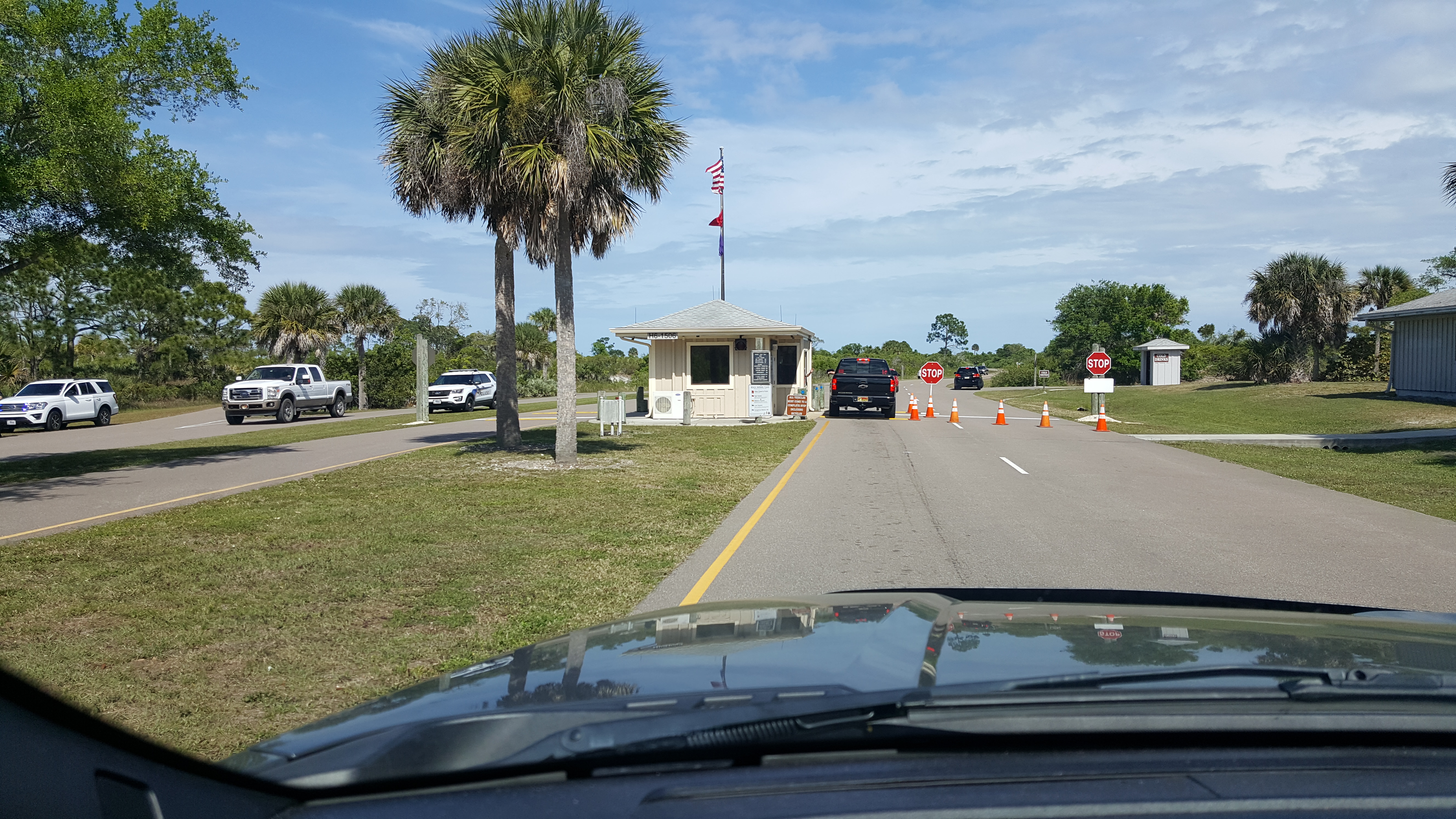 The Mosquito Lagoon and Indian River
If you plan to target these black drum, I recommend gearing up with 30 pound or higher test Power Pro or other braid, a length of 30 to 50 pound fluorocarbon leader on a sliding sinker rig, and a 5/0 circle hook to keep the fish from breaking off on the mangroves.
Playalinda Beach and Inlets May marks the beginning of the summertime fishing season in our area for large jack crevalle, sharks, tarpon, and kingfish just out from the beach. The Pompano beach run for the season has pretty much dissipated in our area and most of the Pompano on the east coast have moved north to Jacksonville and Georgia. The surf fishermen at Playalinda Beach have been pulling in good size whiting, bluefish, Spanish mackerel, juvenile black drum, and an occasional snook. Sand fleas and small pieces of shrimp are baits of choice for whiting, drum, and the occasional under size pompano. The mackerel and blues have been hitting Clark Spoons and Krocodile Spoons and live or cut finger mullet on short #2 wire leaders when the baitfish are in the surf. When targeting Spanish Mackerel from the beach, wait for two or three days of consecutive offshore winds to blow the fish close to the beach within casting range before heading out. Catches of bluefish in the 10 to 20 inch range were reported last week at Playalinda Beach but fishing has been mostly limited to whiting, some small pompano, and an occasional black drum when the conditions are favorable. Larger bluefish usually run just outside of the second set of breakers. Live finger mullet on a 3/0 or 4/0 hook with a #2 wire leader or plastic coated steel leader on a sliding sinker rig, is all you need for blues, Spanish mackerel, shark, etc. The most productive times to fish in the surf in our area is at first light, early in the morning, preferably during the higher phase of the tidal cycle, about 2 hours on either side of a high tide. The best surf fishermen take some time to "read the beach" and target the breaks, troughs, and deeper sloughs that form just past the shore break. The sandbars at Playalinda Beach, usually form about 20 yards past the first trough. As the waves approach the farthest sandbar out from the beach, they break up to reform again over the troughs, where they again break up over the next sand bar, until they reach the shore. The deeper troughs between the sandbars are where the fish are likely to be holding and where you want to target your casts. Breaks and cuts in between the sandbars can be hot spots for fish that use them as a "highway" to swim between the sandbars. A variety of fish species cruise the troughs and hold just outside of the breaks to grab small baitfish, sand fleas, crabs, and other crustaceans as they are pulled out to sea. South of Titusville, Fl. around Patrick AFB and Satellite Beach, surf casters are catching Margate, sheepshead, whiting, and a few under size pompano, primarily on sand 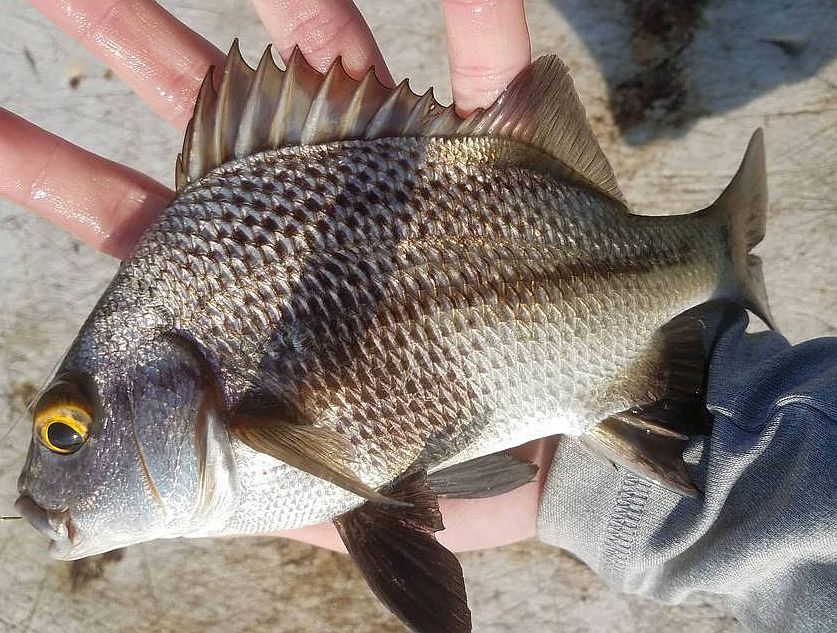 fleas. fleas. The residential canals in that area are also producing some nice sea trout, lots of mangrove snapper around Mathers Bridge, and some nice size sheepshead in the lagoon areas. The sheepshead in the surf and around the bridges are being caught primarily on fiddler crabs and when the fiddlers are not available, sand fleas. The Magellan beach access south of Patrick is also a good area for lots of Margate, bluefish, whiting, Palometas, and undersize pompano. The best bite last week has been on an outgoing tide. A lot of surf fishermen down there have been using "Native Salt Baits"; Brined Sand Fleas, Salted Clams in original, pink, and orange colors, and some clam stringers in assorted colors, apparently with a great deal of success . 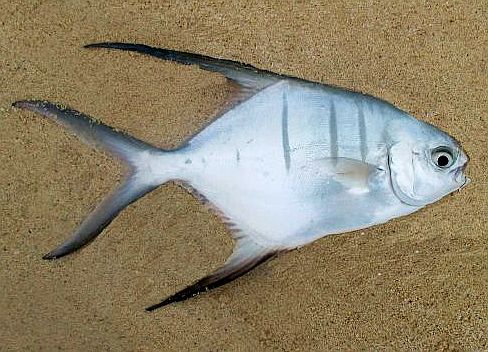 The snook bite in our area is about to go through the roof as the bigger fish that have been feeding in the backwaters and small creeks are starting to come out for their summer spawn. The snook bite in our area is about to go through the roof as the bigger fish that have been feeding in the backwaters and small creeks are starting to come out for their summer spawn.Live pinfish, croakers, mojarrah, and pilchards rigged on a 5/0 or 6/0 size VMC 7385 Circle hook with just enough weight to get the bait down into the strike zone are the best live baits to use in the inlets and along the beaches. All of our inlets and beaches will be holding snook and as the baitfish migration ramps up along our coast, snook in the surf will be on the agenda throughout our region for many surf fishermen. Beach snook will be holding tight close to the shore and in close proximity to the baitfish pods. If you see dark shadows behind or among the schools of bait fish, it is likely to be a snook. For surf fishermen that prefer using artificial baits; lipped diving plugs, jigs, spoons, or anything that looks like a baitfish will catch them when presented properly. In southern Brevard County, a few tarpon are off the beaches about 150 to 200 yards out. As the baitfish schools start coming closer inshore, the tarpon will follow. Surf anglers always have a shot at hooking one of the Silver Kings, but kayakers have a much better chance. When the water temperatures hit the 75 degree mark, the paddle boarders and kayakers will start to get out to launch their paddle craft into the surf. This is when the baitfish and predators are more abundant and fishing becomes more productive. Get some baits with a cast net or farther out on a sabiki rig, and wait for a rolling tarpon to show up. Cast about 15 to 20 feet ahead of a rolling fish and hang on. A lot of kayakers prefer using flies and other artificial baits when targeting tarpon. A 6" pink or bone colored Hogy Pro Tail is candy to a rolling tarpon and almost any tarpon fly will get a hookup when properly presented. Port Canaveral Offshore and Nearshore Offshore April and May are when the largest bull dolphin are taken off of Florida's Space Coast, and the early season dolphin bite has already yielded some big fish. 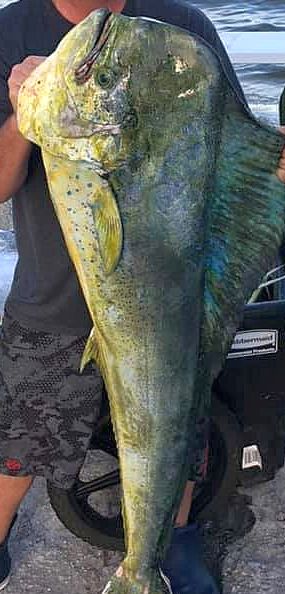 Offshore, the dolphin bite is beginning to bust wide open, especially off of the April full moon and some of the biggest fish of the year should be showing up this month. Anglers fishing the near side of the Gulf Stream trolling naked chin weighted ballyhoo and Islander ballyhoo combos have been catching a lot of dolphin and sails along the temperature breaks, color changes, weed lines, and floating debris. As a general rule, once the inshore waters clean up, anglers dragging naked ballyhoo or small Islander ballyhoo combos should look for dolphin, sailfish, and wahoo the 120 foot depths around the water temperature breaks, the weed lines, and the rips. Most of the time the average size dolphin caught when fishing out of any of our inlets, will be in the 8 to 15 pound category, however, you always have a chance of hooking into a 50 pound or larger bull when you pull a ballyhoo around any of the rips, weed lines, etc. A blue and white Islander ballyhoo combos pulled in 300 feet of water can get you a bull dolphin like the one to the right. The tuna anglers who are making long trips to the "other side" for Yellowfin, blackfin, skipjack, and marlin have also been bringing back decent numbers of bull dolphin. In many instances, bull dolphin are located the same way that the captains find the skipjack and yellowfins. Look for the flocks of sea birds diving on schools of baitfish, and you will find schools of bonita, skipjack, blackfin, or yellowfin tuna feeding on them. In a lot of cases you will find skipjack and bonita feeding on the schools of baitfish with the larger yellowfins underneath the smaller fish. Bottom fishing for most grouper species kicks off this month on May 1st. If you don't own your own boat, several "Party Boats" and a plethora of "Deep Sea" fishing boats at Port Canaveral offer Half Day, Full Day, and night shark fishing trips. In addition to most of the Grouper species; Black Sea Bass, many species of Snapper, Trigger Fish, Amberjack, King Mackerel, Cobia, Mahi Mahi, Sharks, and Sailfish will all be on the menu this month. Haulover Canal 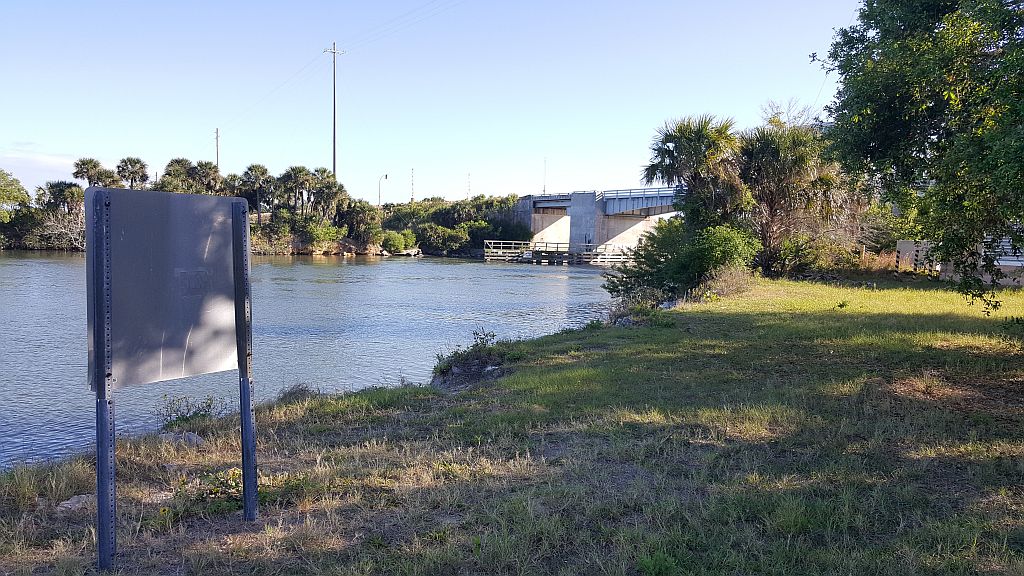 During the hot summer months, tarpon can be seen rolling through the canal and are occasionally are hooked. Few are landed. Right now the bank fishermen are still making good catches of black drum on a regular basis. Most of the black drum are being caught on live or fresh dead shrimp, but the larger fish are being caught on sections of blue crab, fresh clam, and even fiddler crabs. Most of the fish caught have been around 18" to 30" or more, but larger fish have been caught at the mouth of Haulover Canal on the Mosquito Lagoon side by boat fishermen. Oversize Redfish redfish are also being caught throughout the canal on a variety of baits with shrimp, blue crab, live pinfish, and fresh cut baits being baits of choice. The night shrimping activity at the canal is also ramping up, but as of this date we have no reliable reports of pulls. Although bank fishing after dark is prohibited at Haulover Canal, night fishing and shrimping just off of the banks from a boat can often produce some some good fish and really large jumbo shrimp when they are "running". Many sport shrimpers are not aware of Haulover Canal's shrimping, but the shrimp are there all year round. Although not as abundant as they are farther north at Oak Hill and Edgewater, they are substantially larger than those netted farther north in the lagoon system. Shrimping The latest buzz about Central Florida sport shrimping is that the season will be starting late, but it will eventually get here. Oak Hill and Edgewater sport shrimpers have only been netting dozens of shrimp, at best. This is because hundreds of catfish have been attracted to the shrimp lights and shutting down the shrimping. It's hard to find a shrimp floating past the lights when hundreds of predators are feeding on them. Shrimpers at the railroad bridge north of the Titusville fishing pier have been pulling up to a gallon or so of 5 to 7 inch shrimp during ideal conditions . Just before a cold front, when the winds are blowing 5 mph or better out of the South or Southwest, break out your shrimp nets and head to the two fishing piers at Titusville. The shrimping reports there have been getting better and better with good pulls reported when the conditions are right. We have been getting occasional reports of bizarre looking shrimp with yellow, black, and orange colors being caught in our area. These are most likely Asian Tiger shrimp or mutant mixes. They are an invasive species that are fine to eat and present no danger to your health. 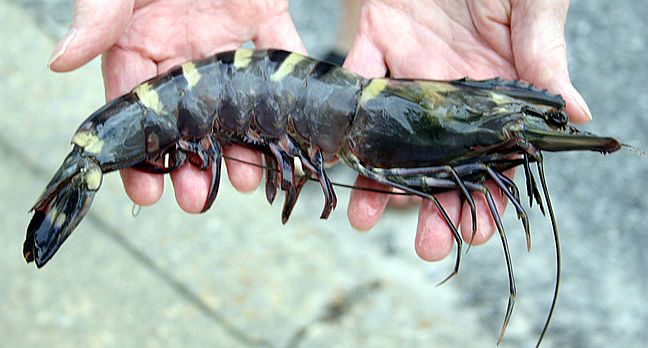 Despite the sewage spills we had a few months ago, the fish and shrimp in Brevard County are OK to eat. Until next time, Tight Lines and bent rods! |
|||||||
| Link One | Link Two | Link Three | Link Four | Link Five | Unsubscribe to this newsletter |