Your April 2019 Mosquito Lagoon & Indian River Fishing Report
Published: Mon, 04/01/19
| Newsletter Issue # 115 | April 1, 2019 |
||
Mosquito Lagoon & Indian River Fishing |
|||
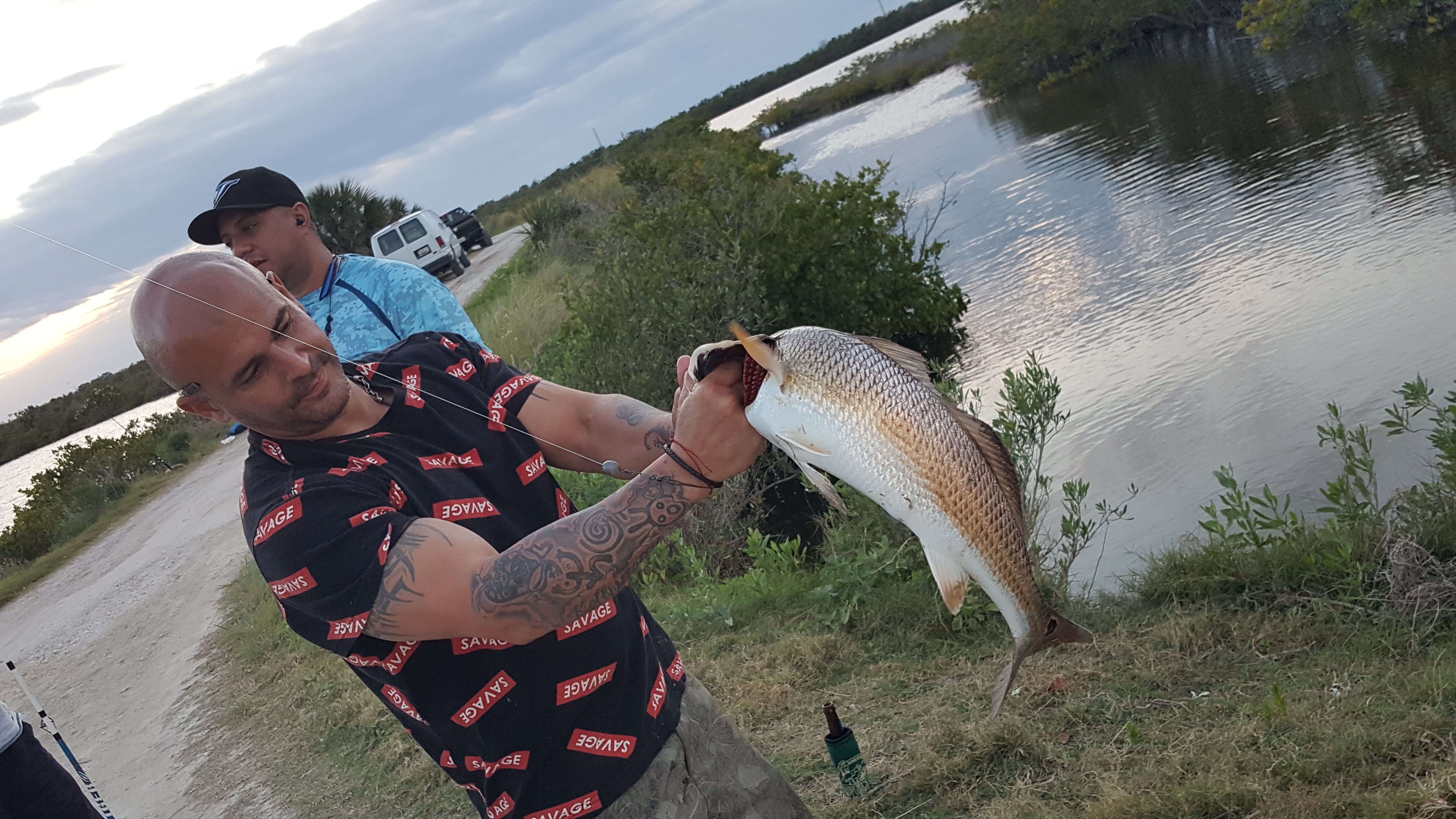
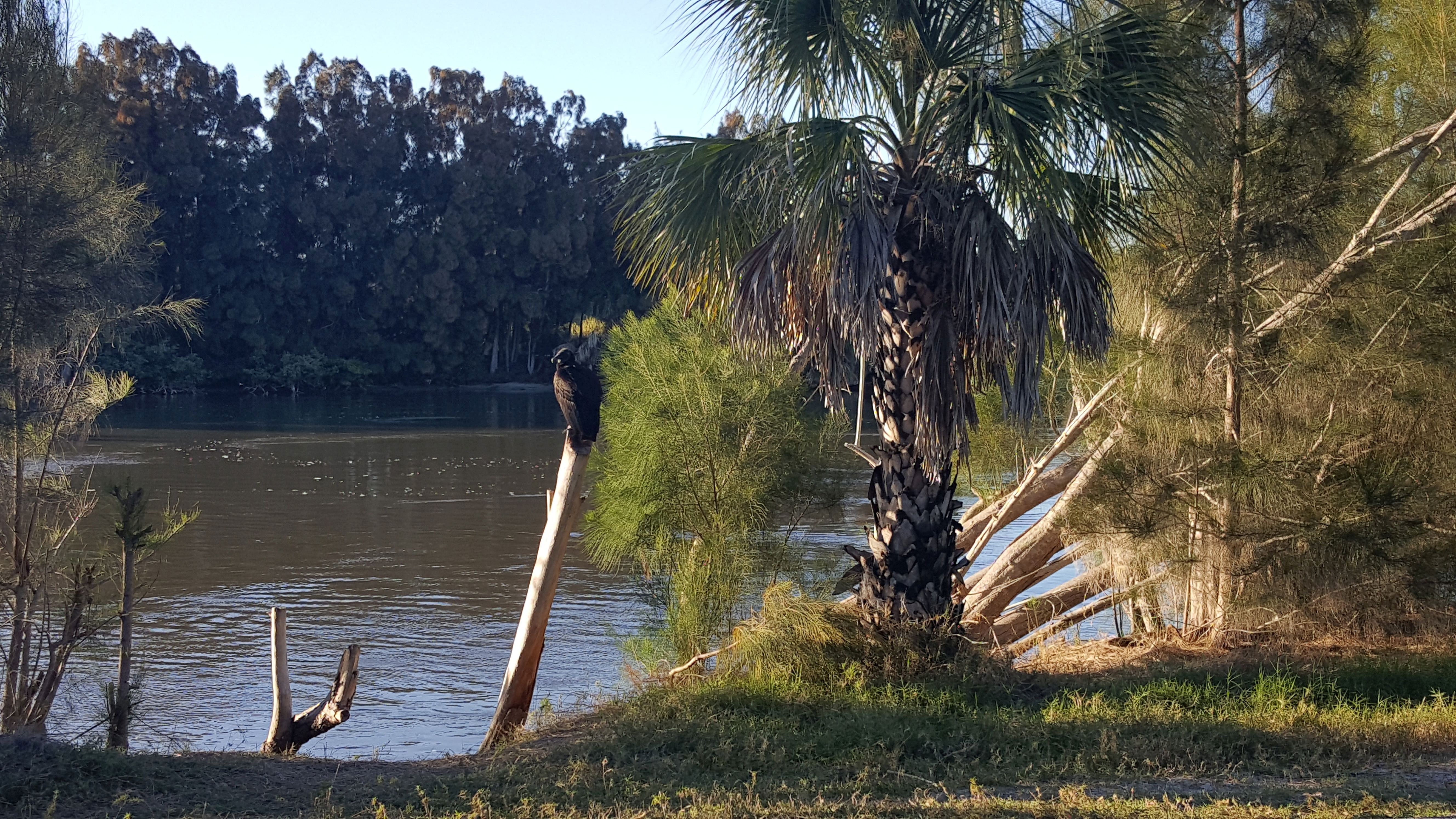 The Mosquito Lagoon, Indian, and Banana River April is when we see "April showers" and egg laden sea trout spawning on the flats in all of our lagoon systems. Small aggregations of spotted sea trout are now transitioning into their spawning areas on the inshore flats. The smaller males move into the shallow flats first to call in the large "gator" females by loudly drumming just after dusk. (Remember that sea trout are in the drum family.) This activity occurs during the first full or new moon in April and each month thereafter during the new and full moon throughout the summer. This is when anglers target trophy gator sea trout on the shallow flats with their favorite top water plugs early in the morning and late in the evening for some "extreme" topwater action when the fish are most active. When the schools of baitfish become more concentrated on the flats, topwater Chug Bugs, Rapala Skitterwalks, MirroLures, Zara Spooks, Rapala X-RAP Twitchin' Minnow, and DOA Baitbusters will all produce fish when worked around the outside of the bait pods. 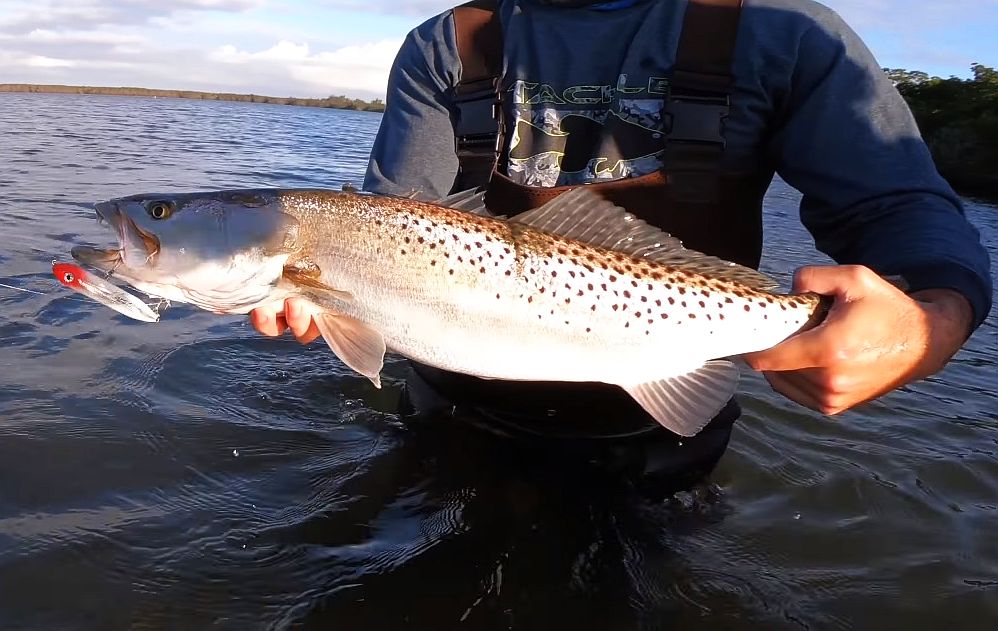 Female sea trout are super aggressive during the spawn and will often smack a Chug Bug or SkitterWalk completely out of the water if they don't get hooked on the first hit. Hungry sea trout will often continue striking at a lure all the way back to the boat for a second, third, or even a fourth shot at the bait. . As the midday sun hits the water, switch over to soft plastics and jigs to fish in deeper (2 to 3 feet) water, for trout and trophy size redfish. Right now the trout, ladyfish, and Jacks are scattered throughout the Mosquito Lagoon, Indian River, and Banana River. Flats fishing has been good when the weather permits and as the mullet continue to migrate back into the lagoon systems, the fishing for gator sea trout and trophy redfish will continue to improve. Live finger mullet, pigfish, pinfish, croaker, mud minnows, and shrimp are baits of choice during April for the big sea trout and redfish that are actively feeding on pods of bait fish. Scattered slot size reds are now being caught along the eastern shore of the Mosquito Lagoon and a few smaller schools of reds are hanging around the dropoffs and sandbars in the northern section. Anglers have been catching them on weighted paddle tail baits, Jerk baits and DOA Shrimp fished along the bottom. Please remember to handle the egg laden female sea trout with great care when releasing them so our fishery can continue into the future. Sheepshead will be spawning this month and the bite has already ramped up at the jetties as well as the docks, bridge pilings, sea walls, and other structure around the ICW.
Most anglers who are specifically targeting these fish use heavy tackle with at least 60 pound Power Pro or other braid as a main line, a long section of 80 to 100 pound fluorocarbon leader, and large 6/0 to 7/0 circle hooks on a standard sliding sinker rig. Lighter conventional tackle and even fly tackle can be used for these fish with shrimp or shrimp/crab type flies being baits of choice.
The best bite for both sea trout and redfish seems to be just around dusk when they are most active. Playalinda Beach 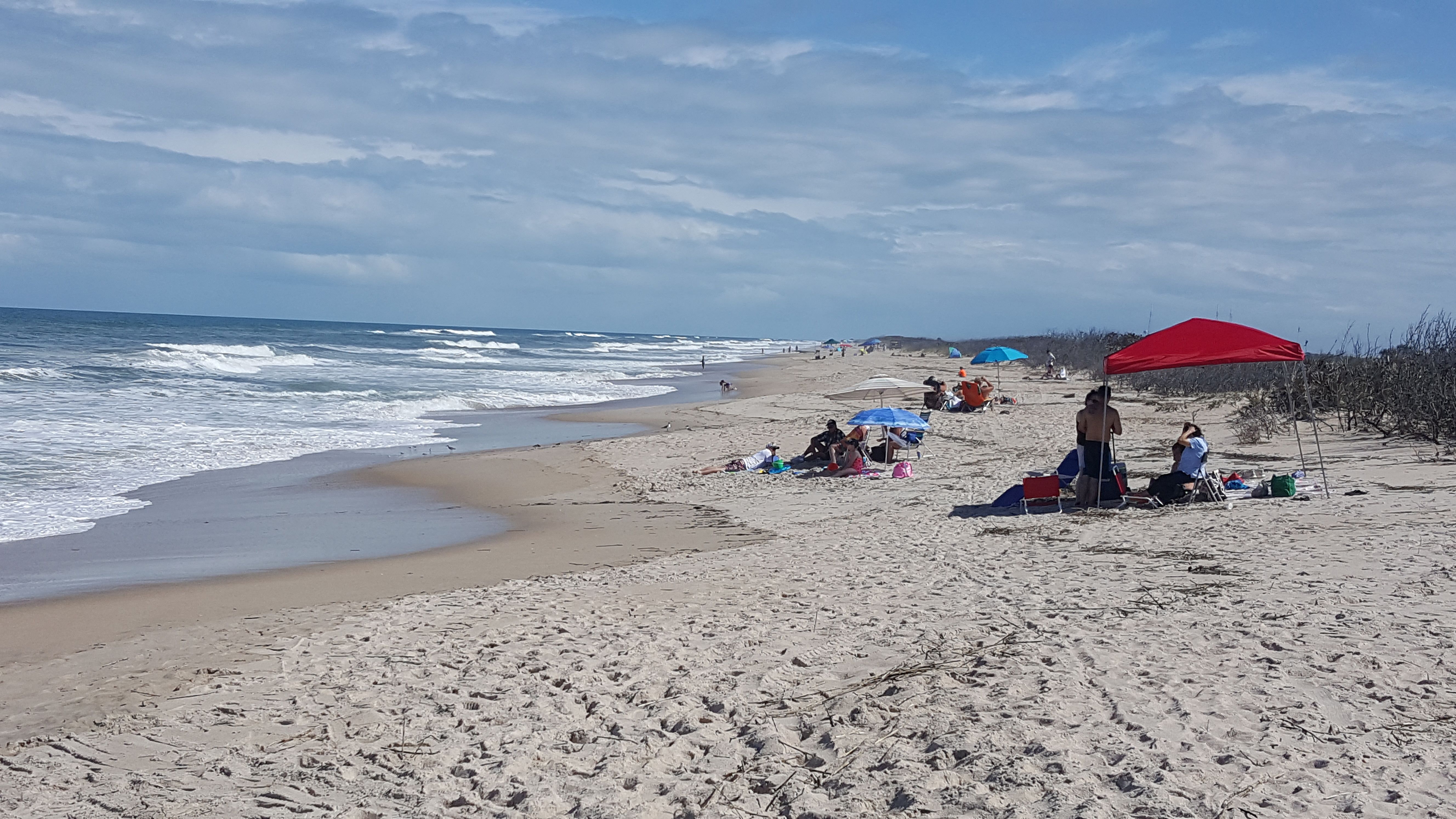 Fishing the surf at Playalinda on a weekend during the spring and summer months will treat you to a scene like the one above taken this past weekend at lot #10. It's best to hit the surf early in the morning before the crowd of sun worshipers start showing up, especially if you plant to fish for sharks. People get a little queezy when they see a surf fisherman landing a large shark in the vicinity of their beach blanket. Right now the shark fishing all along our beaches is on fire, with all sizes cruising up and down the beach from the shore break out to about a mile out from the sand. Live mullet and cut baits fished on wire leaders with large hooks and heavy Power Pro or other braid main line, on heavy action sticks will get you hookups and land the heavier fish. It's probably a good idea to avoid the close proximity of surfers and bathers. If shark fishing is not your bag, the bluefish, whiting, and pompano have been hitting this past week. Live sand fleas, fishbites, and shrimp are baits of choice for whiting and pompano. Hitting the beach early in the morning, just after a low tide as it starts to come back in and tossing a fresh piece of clam or a live sand flea into the deeper troughs between the sandbars, is usually a productive tactic. For bluefish, Spanish mackerel, and shark most anglers are using live or dead finger mullet with shrimp as a second choice. Try to fish early in the mornings on the last half of an incoming tide for the best bite. The larger blues usually run just outside of the second set of breakers and are suckers for either a live finger mullet or the head portion of a mullet. The bait pods of Atlantic menhaden ( pogies) are arriving late this year, but when the water warms up and the pods of baitfish start to show up in greater numbers, the bluefish, giant jack crevalle, redfish, snook, Spanish mackerel, and smoker kingfish bite will improve dramatically. This is when a lot of surf fishermen switch to casting small silver spoons, Mirrorlure type plugs or Gotcha plugs into the troughs for the toothy predators. This weekend when I asked the ranger at the entrance to Playalinda which lots were the best to fish, he told me that the fishermen at #8 and #10 were reporting catches of whiting, bluefish, and a few pompano. All the fishermen I spoke with this past Sunday were fishing with dead shrimp and were catching medium sized whiting and only a couple of small pompano. Port Canaveral Offshore and Nearshore Far Offshore The new dates for the Otherside Invitational this year is April 13th and 14th for the weigh in at Sunrise Marina. Every year the top tuna fishermen in our area compete for the largest 3 tuna aggregate weight and the Top Boat title. Hundreds of spectators will usually attend the weigh in on the 14th to see the giant yellowfin tuna as they are wheeled onto the stage. For the next few months, Yellowfin Tuna will be the main topic of discussion for anglers out of Port Canaveral who captain larger 40 to 50 foot boats and are willing to make the 90 mile trek to the eastern edge of the Gulf Stream to chase the migrating schools. Although more and more anglers make the run each year in vessels less than 30 feet, the fishery is primarily for the larger 40 foot plus sport fishermen. 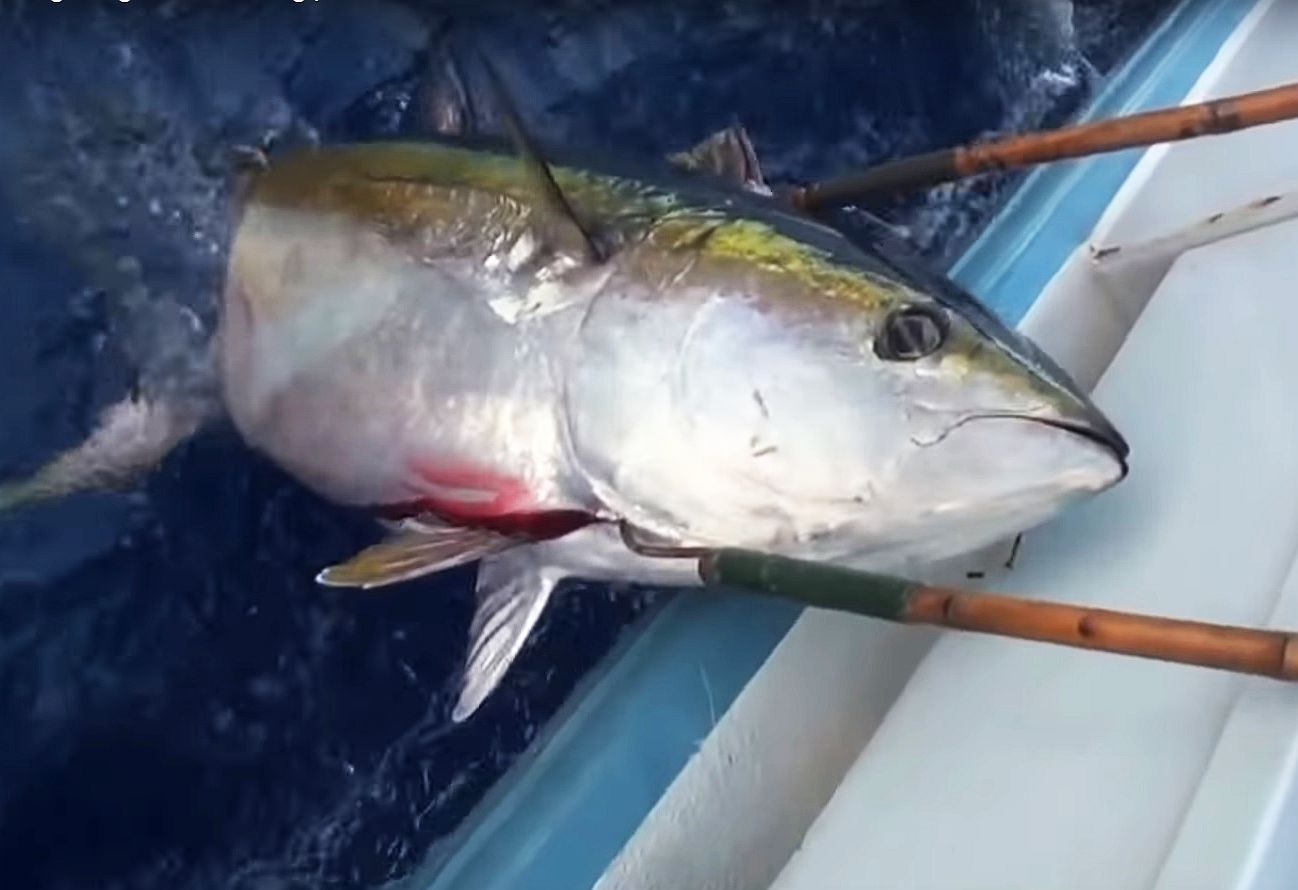 The captains use their on board radar to locate large flocks of birds feeding on baitfish that the migrating schools of yellowfin tuna also target. Early season yellowfin tuna are usually less than 60 pounds. Later on in the season, fish in the 90 to over 100 pound category are more common. Offshore The front that stalled out over our state during mid March made getting reliable offshore fishing information difficult, but anglers should be able to find sailfish, small dolphin, and possibly a wahoo or two at the blue water edge in your respective regions of the offshore grounds. 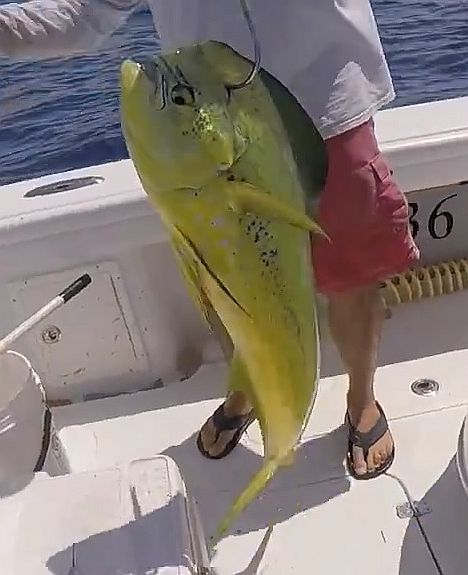 Trolling small to medium sized ballyhoo at 3 to 4-knots will usually produce fish. Trolling small to medium sized ballyhoo at 3 to 4-knots will usually produce fish. Sailfish seem to prefer naked ballyhoo trolled behind your boat in lieu of skirted baits. Split billed or chin weighted ballyhoo are the best way to get sails to strike. Dolphin, and wahoo on the other hand usually prefer eating skirted lures. When the water is calm enough, try putting small bubbler or chugger style heads over the ballyhoo when fishing for dolphin. On rougher days, troll your ballyhoo on a weighted head so the baits stay just below the surface and only pop out once in a while. Trolling speeds of 4 to 6 knots is usually the most productive for dolphin, with slightly higher speeds if you're targeting Wahoo. The "Cobiathon" that was held out of Port Canaveral on March 23rd. turned out to be pretty successful. The Cobia actually showed up outside of Port Canaveral and Sebastian Inlet and some decent fish, a few in the 40 pound range and a couple in the 50 pound class were caught. Except for a few singles, most of the fish were caught around manta rays, floating debris, color changes, and bait pods. Live baits, jigs, and Jig eel combinations accounted for the majority of fish. When the water temperatures hit 72 degrees, cobia will often be right at the surface in 40 to 60 feet of water and with good conditions, the fish are clearly visible to anyone who is targeting them. The average size for spring cobia caught out of Port Canaveral is around 20 to 30 pounds, but much larger and smaller fish are caught every spring. A little farther offshore the king mackerel bite has started to pick back up again along the Pines, the 80 and 90 foot structure down around Bethel Shoal, and on up around Pelican Flats. Although some anglers use Rapala type diving plugs, live baits or frozen dead baits slow trolled on wire stinger rigs seem to work best for catching big Kingfish. Nearshore For the past couple of weeks, there were schools of large black drum running into the 50 to 70 pound range roaming the nearshore waters just outside of Port Canaveral. Most anglers were getting them to strike using large jigs and select jumbo shrimp. If the water temperatures stay above 68 degrees this month, we should get into some decent sized tripletail and possibly even a cobia or two in the 40 to 60 foot depths. Port Canaveral holds some of the largest tripletail in the country and starting in April through late summer, they are one of the most cooperative near shore species for small boat fishermen to target. Tripletail are fairly easy to catch on small 1/8 th to 1/4-ounce jigs tipped with a small shrimp. The fish hang around surface debris, flotsam, weed lines, channel marker buoys, and crab trap anchor lines where they can often be spotted floating on the surface. A few casts to any floating structure is liable to hood you up with one of these tasty fish. If you enjoy shark fishing, this April will be another stellar month to target them. Right now sharks are all over the place from the shore break out to about a quarter to half a mile out from the beach. You can spot them cruising up and down the shore and some of them are quite large. Surfers take note; if you're surfing around Cocoa or Playalinda beach, watch out for them. Haulover Canal 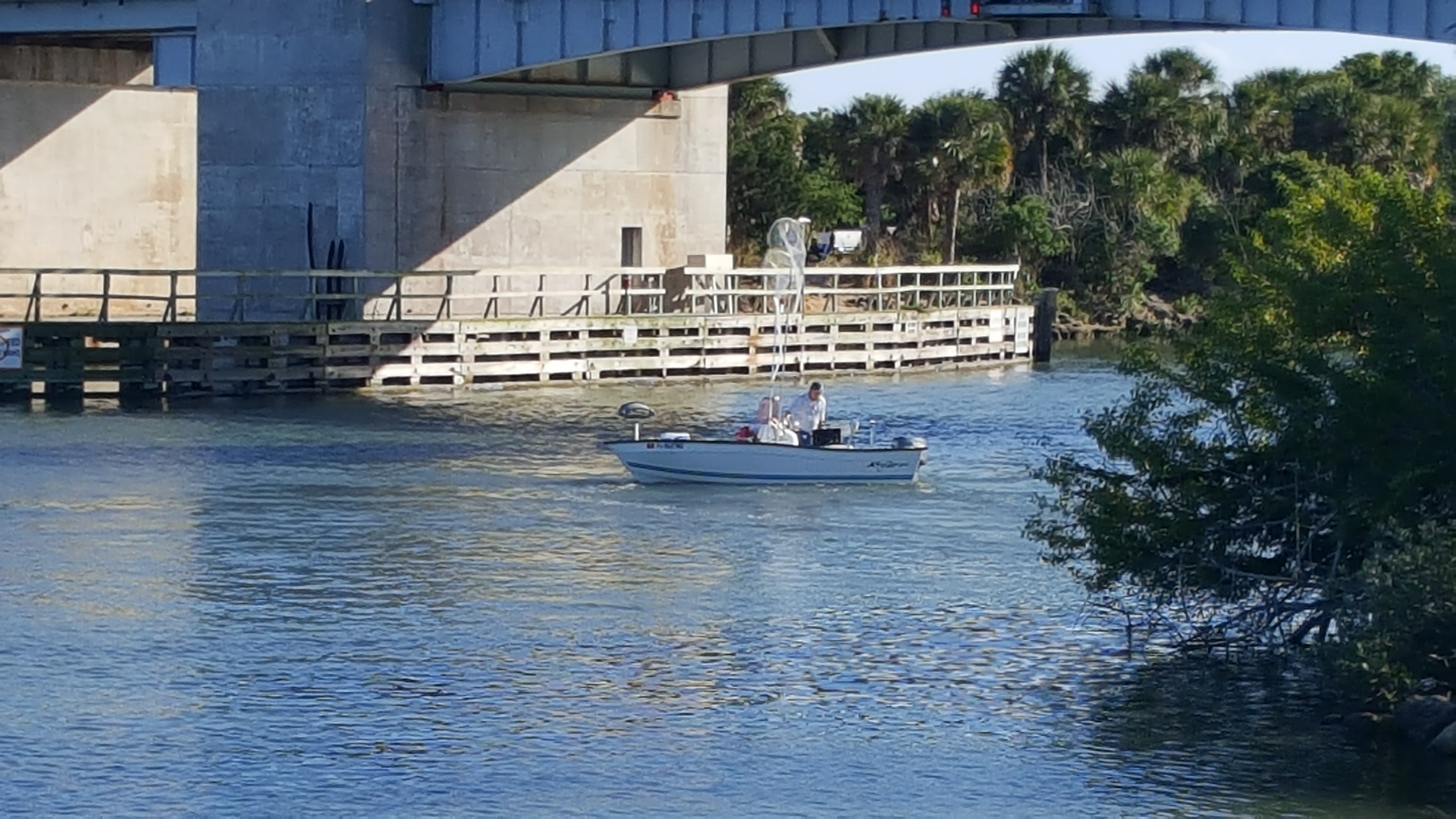 The deep water in Haulover Canal is good fishing all year round for Redfish, Black Drum, snook, speckled sea trout, and a few other other predatory species that use the canal to travel from the Mosquito Lagoon to the northern Indian River.
Because Bairs Cove boat launch provides easy access to both the northern portion of the Indian River and the Mosquito Lagoon, many area guides use the launch as a starting point for their charters. While the charters are sight fishing the schools of redfish on the flats, many of our local fishermen launch their boats and simply drop anchor at the mouth of the Mosquito Lagoon to fish for big black drum and big bull redfish. There are a couple of deeper holes located at the mouth of the canal that hold some really big fish, especially when the weather heats up. Most guys after really big fish use a whole blue crab or sections of a fresh blue crab for bait but large fresh cut baits and select jumbo shrimp also work well. Pull the legs and top half off of the crab and either section it or use it whole on a 5/0 or 6/0 circle hook. A two to three foot length of 40 pound fluorocarbon leader, and 30# - 60# Power Pro or other braid on a sliding sinker rig will help keep a big fish from breaking off on the submerged Coquina rocks that line the canal. Some nice Gag Grouper also use the Coquina rock ledges in the canal as a home. A live pinfish, croaker, or silver mullet on a sliding sinker rig will get you a hookup if the fish are interested. Finally, the shrimping reports from the two fishing piers on the Indian River in Titusville has been sporadic for the past month, but a few groups of sport shrimpers have started setting up their lights along the banks of Haulover Canal, and are beginning to net some nice size shrimp that drift by when there is a current. The other shrimping "hotspot" that has been picking up is the west side of the railroad bridge. Some nice reds are also being caught in this area after dark. Bank fishing after dark is prohibited at Haulover Canal, but night fishing and shrimping just a few feet off of the bank from a boat can produce a bucket of shrimp and even some good size fish over the lights. Until next time, Tight Lines and bent rods! |
|||
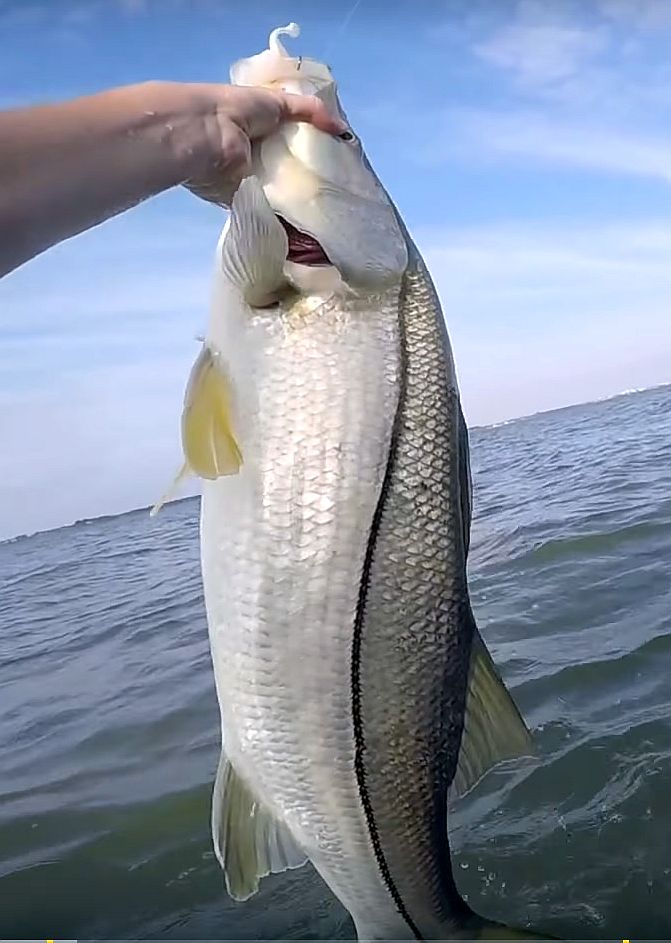 The Snook bite from Sebastian to Ponce Inlet is also beginning to pick up.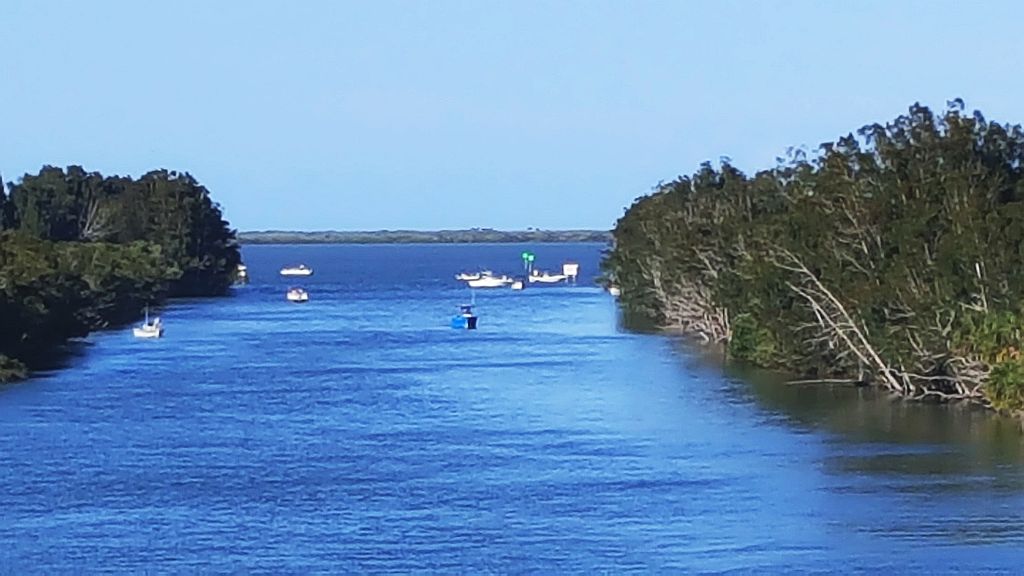
| Link One | Link Two | Link Three | Link Four | Link Five | Unsubscribe to this newsletter |