Your March 2019 Mosquito Lagoon & Indian River Fishing Report
Published: Fri, 03/01/19
| Newsletter Issue # 114 | March 1, 2019 |
Mosquito Lagoon & Indian River Fishing |
|
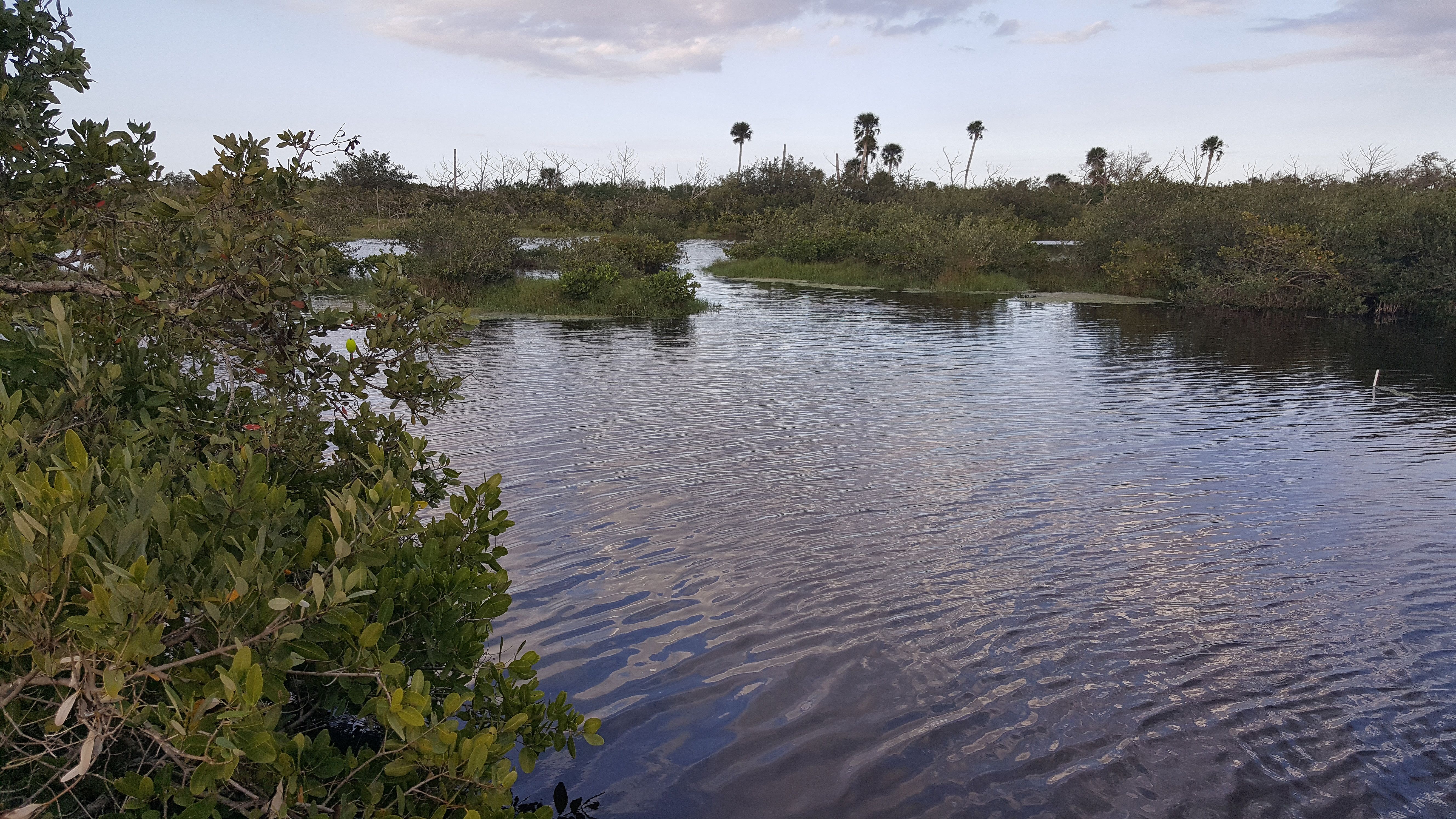 The Mosquito Lagoon and Indian River March is expected to be another stellar month for redfish, sea trout, and black drum in the Mosquito Lagoon and Indian River systems. So far this month the fishing has been on fire for trout and reds in the Mosquito Lagoon with Widgeon Bay and Whale Tail the best areas for big redfish and sea trout. The best catches of larger fish are being made by anglers using live finger mullet, but anglers fishing the shorelines with topwater and soft plastic baits are also cleaning up in the mornings and toward dusk. Topwater Skitterwalks, Zara Spooks, MirrorLures, and Chug Bugs worked fairly slow on the shallow flats have been producing consistent catches for the past few weeks. The flats along BioLab road have become a favorite location for land based fishermen wading and dunking live baits for redfish and sea trout. This area, and the flats around Whale Tail and Pelican Island can provide some great topwater fishing when the winds are favorable and the waters warm up later in the month. 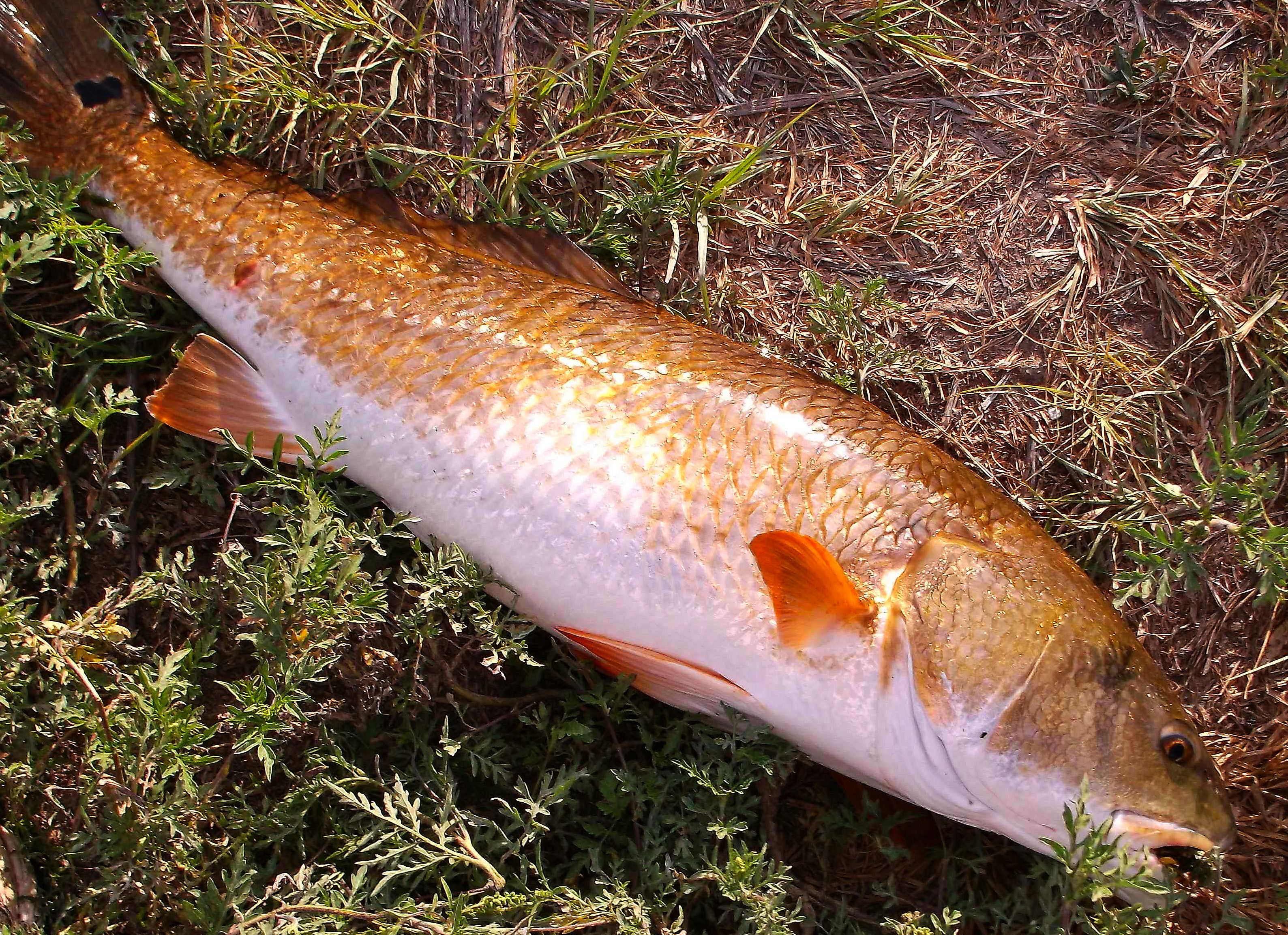 Blind casting a SkitterWalk or Chug Bug around the potholes and open areas in the grass beds, or tossing a weedless Johnson's
Sprite spoon is a good way to locate and catch these fish. A few small snook are also being caught along the ditches and on the flats.
Keep out of the ditches that lie between the road and the lagoon if you plan on wade fishing in this area. There are some huge "people friendly" gators that live in the ditches that can do some serious damage to a wade fisherman if you're not careful. As the water warms up and the silver mullet start coming back onto the flats in better numbers, schools of slot redfish will continue to form up in the skinny waters. Look for 18" to 27" slot redfish in areas where there are a lot of rolling and jumping finger mullet in shallow, 12 to 18 inch deep water. The larger "bull" reds will usually hang along the deeper edges of the sandbars and off from the shallower flats in 2 to 4 feet of water. The larger spotted sea trout also hold in very shallow water in and around the potholes where they can easily ambush baitfish. As the warmer water brings the mullet back onto the flats, the spring topwater bite will ramp up dramatically. Early mornings and late afternoons are the best times to fish topwater baits for big "gator" sea trout. Schools of black drum will continue to roam the shallower flats of the Mosquito Lagoon and the north Indian River throughout the month of March, with the larger fish holding around the bridges and deeper water channels. You can usually spot the feeding schools tailing on the flats early in the mornings and later on in the afternoon. Schools of black drum can also be found along with scattered redfish cruising along the edge of the flats near the baitfish pods. Most of the fish are being caught on live or dead shrimp, fresh blue crab, or cut clam. A few anglers target them with white hair jigs or D.O.A. Jerkbaits on a jighead smeared with some shrimp or inshore formula Pro-Cure. Some really nice black drum and oversize redfish are being caught around the fishing piers and the edges of the ICW at Titusville. Shrimp and blue crab are the baits of choice for oversize reds there and in the deeper flats of the north Indian River across from the Scotsmoor shallow water boat launch. The biggest fish have been eating whole or half of a blue crab. March is also a good month to target sheepshead along the docks and bridges in our area. The pilings close to the deeper channel at the A. Max Brewer Bridge, the two fishing piers, and at the railroad bridge are all good spots to drop a fiddler crab, a live sand flea, or a piece of shrimp this month. 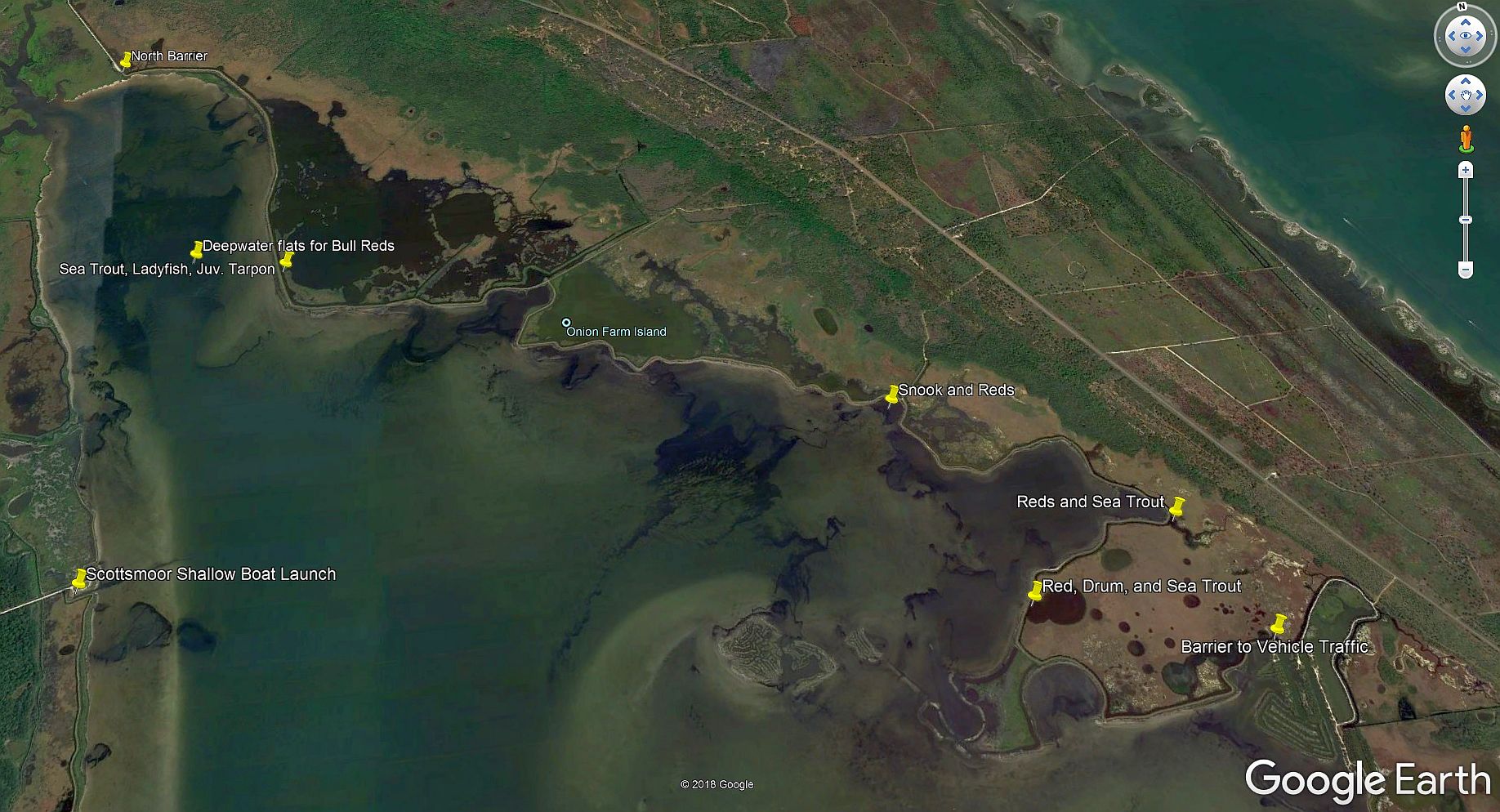 When the baitfish begin to invade the lagoon systems this March, try fishing the leeward sides of the islands for reds and big sea trout. The strong March winds will often push the pods of baitfish into areas where they congregate in the calmer waters of the spoil islands, bridge abutments, and protected shorelines. This happens when the winds have been blowing for several days in the same direction. The floating sea grasses pile up along the windward shorelines leaving the leeward areas free from floating grass. When these conditions occur, it's a perfect time to fish topwater baits, soft plastic baits, or suspended baits for gator sea trout. The leeward sides of the klinker islands, West of Tiger Shoal and across from the ICW north of the Beacon 42 boat ramp, is a good area to target with a Skitter Walk , Zara Spook, Chug Bug, Badonk-A-Donk , or any other topwater bait smeared up with some Pro-Cure and fished with a slow steady retrieve. When the sea grasses start to pile up along the bank, switch to a soft paddle tail bait rigged weedless or on a jighead. Offshore And Nearshore Fishing Decent numbers of dolphin, Wahoo, and sailfish are possible this month along the edge of the blue water, offshore of Ponce, Port Canaveral, and Sebastian Inlets. Most of the anglers that have been getting offshore this past month have been slow trolling small to medium size ballyhoo with skirts between 4 to 5 knots around the temperature breaks, rips, weed lines, and any type of floating debris that can hold fish. On the majority of days the best performing skirt colors have been blue and white, pink and white, and red and black. Slow trolling live pilchards, greenies, or pogies on the 70 to 90 foot reefs out of Port Canaveral is undoubtedly the best way to locate king mackerel in our area. Expect to get hookups with bonito, sharks, and cobia especially when the temperatures hit the 67 to 72 degree mark. Right now the colder water temperatures have driven out the kingfish and Cobia. 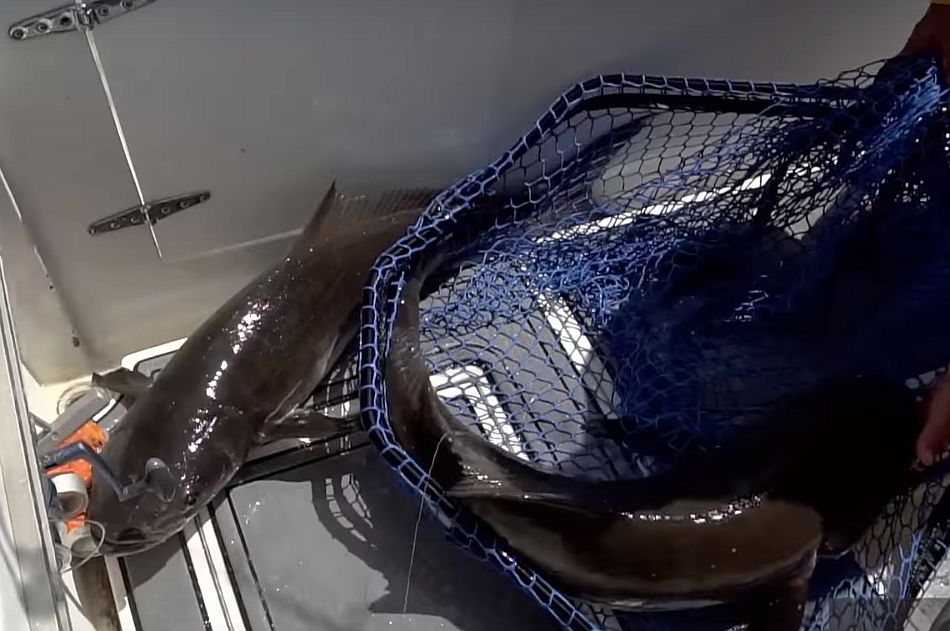 So far this month, there haven't been any reports of Manta Rays cruising off the beaches south of Port Canaveral, but when the water warms and the big rays start coming in, the annual Cobia run will commence. Cobia follow the Manta Rays as they migrate north along our coast and can be as close as a half mile to as far out as 10 to 12 miles from the beach. Cobia can also be found in the proximity of large sharks, sea turtles, weed lines, marker buoys, flotsam, and are often seen free swimming around shallow structure. During March and April, Cobia are often spotted right on the surface in anywhere from 30 to 60 feet of water, which makes them a perfect target for nearshore sight fishermen. Most anglers sight fish Cobia from 10:00 am to 3:00 pm when they are most easily spotted on the surface. Although many different kinds of lures will work on Cobia, a favorite out of Port Canaveral is a 2 to 3 oz. chartreuse colored jig pitched on a 20 pound spinning outfit. Most guys use Power Pro or other braid with a 40 or 50 pound fluorocarbon shock leader. Surf Fishing Although whiting and pompano continue to be the most targeted species along our beaches this month, good numbers of smaller bluefish, Spanish mackerel, black drum and sheepshead can also be found in the surf zone close to structure, despite the cold murky water conditions. Since the opening of Playalinda Beach, the pompano bite has dropped off quite a bit and most of the fish that have been caught have been on the small side.  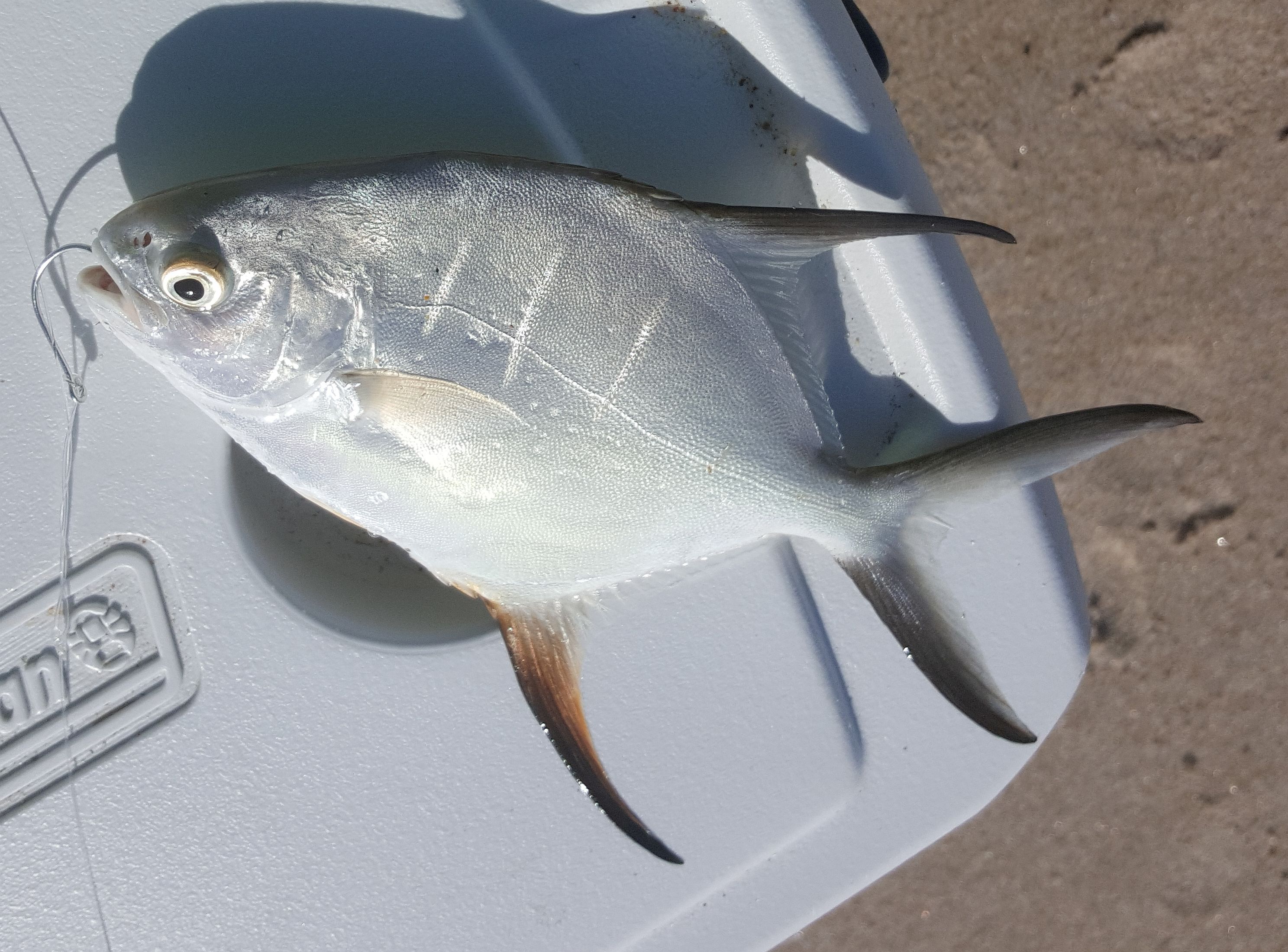 Bull whiting and bluefish seem to be the main topic of discussion with most surf anglers along our coast, but on most days in March, the redfish, jacks, pompano, and sharks can also be found running along the shorelines just outside of the surf break. Small Krocodile spoons with a short wire leader, a stout rod, and a reel loaded with 30 pound Power Pro or other braid is all you need for blues, jacks, and Spanish mackerel in the surf. Replace the treble hook with a large J hook to keep your fingers safer when unhooking. For big "bull" whiting, the surf fishermen around Melbourne have been using small pieces of fishbites and live or blanched sand fleas on two or three hook pompano rigs. When sand fleas are abundant, somebody in the Melbourne area came up with the idea of blanching their sand fleas. It seems that dropping live sand fleas in boiling water for less than a minute apparently keeps their interior moist when stored. I've never heard of it until recently, but apparently it works quite well for whiting and pomps. For me, a small piece of shrimp or fishbites works just as good without the fuss. When fishing for whiting, you will usually hook more fish using small pieces of peeled shrimp on a small hook than with larger pieces, or a whole shrimp. Fish the deeper troughs farther out for Pompano, and the closer ones for whiting. In a perfect world, fish an incoming tide on a calm day just at the break of dawn. Haulover Canal 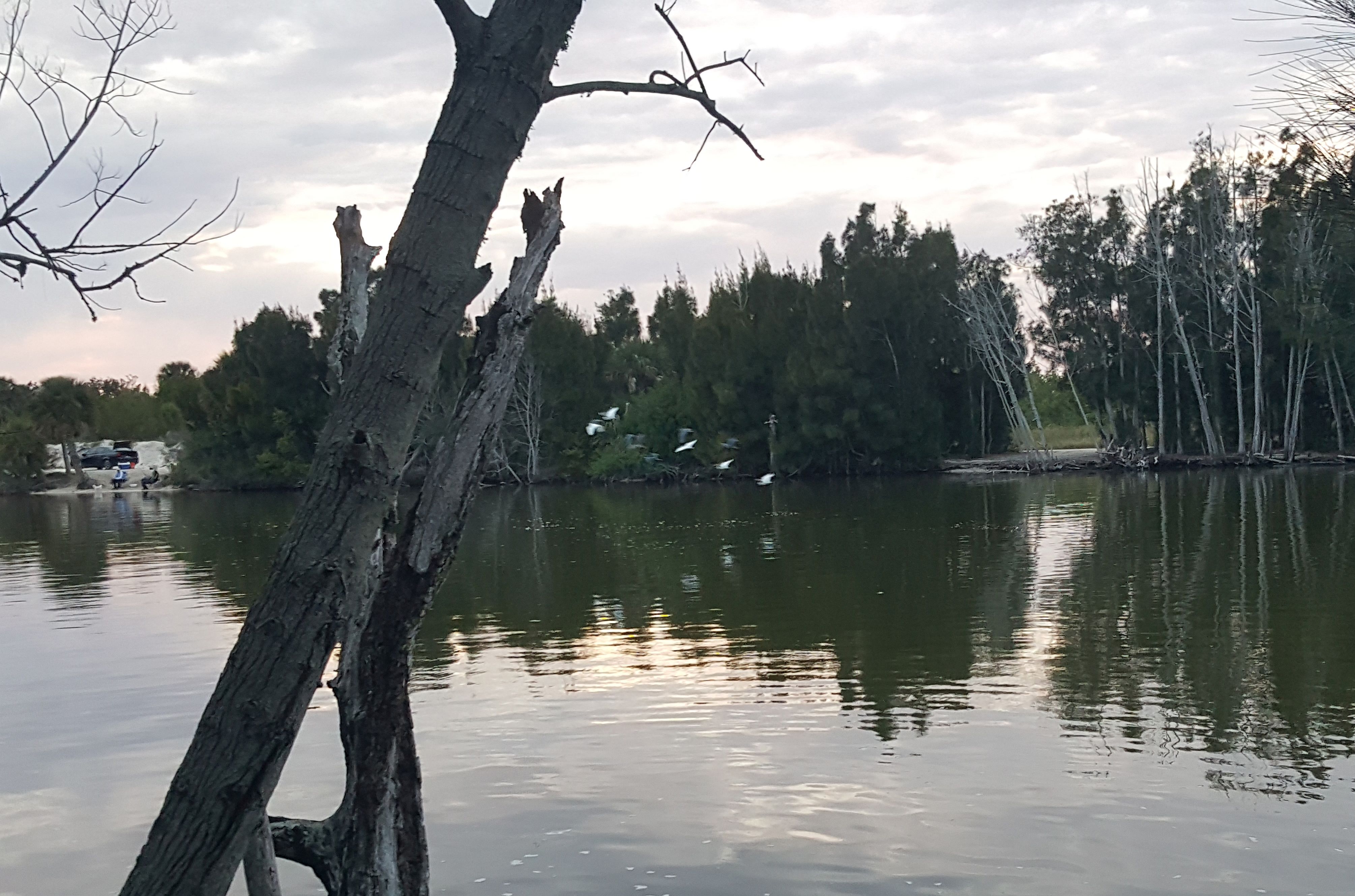 Bank fishermen at Haulover Canal are still making good catches of mangrove snapper, big black drum, and oversize bull redfish.
Two different groups of fishermen I spoke with this past Sunday were using shrimp and blue crab for bait on sliding sinker rigs, and both reported catching and releasing black drum and oversize redfish. They didn't have any pics to share but I have no reason to doubt the information they provided. I watched a couple of other fishermen reeling in keeper size mangrove snapper close to the bridge, but I didn't bother them with their fishing. One thing is sure at Haulover Canal, at any given time of the year you can hook into a really big redfish or black drum using shrimp, blue crab, or clams for bait. Redfish, black drum, sea trout, snook, tarpon, and a variety of other species use the canal to travel between the north Indian River and the Mosquito Lagoon throughout the year. Last month, the owner of Mosquito Lagoon Bait and Tackle said that more huge reds over 40 inches were caught from the canal than at any time since he's been living here. I'll be fishing it next week at least for a couple of days hoping for one of them. Till Next Month, Bent Rods & Tight Lines To You All
|
|
| Link One | Link Two | Link Three | Link Four | Link Five | Unsubscribe to this newsletter |