Your October 2018 Mosquito Lagoon & Indian River Fishing Report
Published: Sat, 12/01/18
| Newsletter Issue # 113 | December 1, 2018 |
||||||
Mosquito Lagoon & Indian River Fishing |
|||||||
 The Mosquito Lagoon and Indian River:
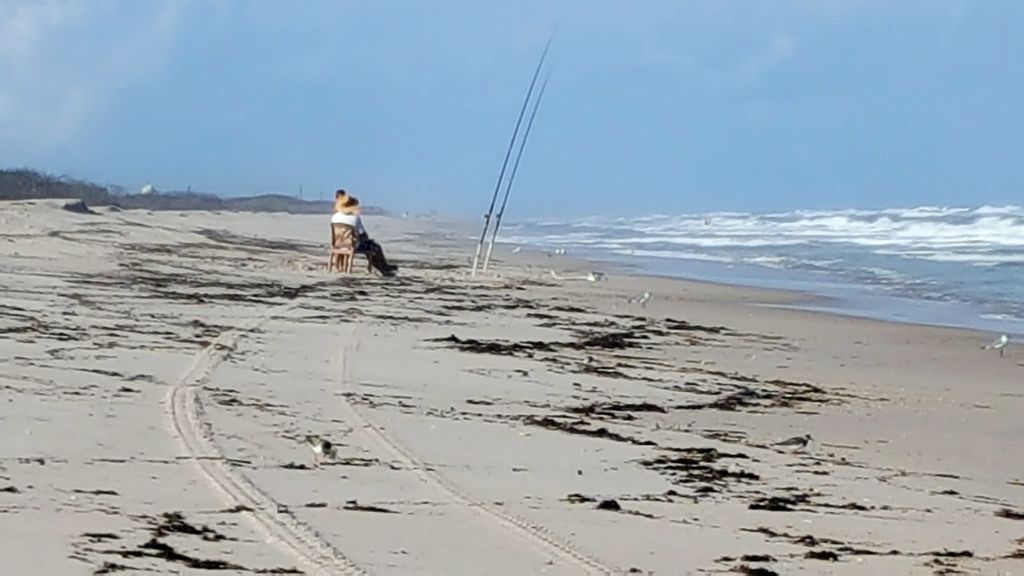
The winter months on the Mosquito Lagoon and Indian River are normally good for sight fishing the flats but because of the windy conditions and turbid water we have been experiencing for the past few weeks in the lagoons, finding fish has been difficult. if you can find water with relatively good visibility where schools of mullet are holding, you will probably find keeper size reds, black drum, and sea trout nearby. The redfish and trout catches should improve considerably as the water starts to clear up from the muddy conditions we've had these past few weeks. Generally when the water temperatures drop into the low 50s or 60s, and the fishing pressure in our lagoon systems begins to ease up, the redfish and trout bite improves dramatically. As the water becomes increasingly clearer, we should experience some quality fishing for redfish, black drum and big sea trout just before and after the cold fronts hit. Inshore around Ponce Inlet this past week, the bull redfish have still been the main attraction for anglers working the mouth of the inlet. Most anglers have been using fresh cut blue crab as the bait of choice, but live mullet, pinfish, or pilchards are also working well. Some snook, jacks, bluefish, and sharks are also being caught around the mouth of the inlet. Farther south around the dropoffs and the deeper undercut banks in the river, anglers have been catching pompano on Goofy Jigs and live sand fleas using sliding sinker rigs. The topwater bite on the Mosquito Lagoon flats in the central part of the lagoon system has been sporadic during Thanksgiving week from first light until about 9:00 in the morning. Target the mullet pods when you can find them with Rapala Skitter Walks, Heddon's Tiny Torpedo, Chug Bugs, or any topwater bait that resembles a fingerling mullet. When the topwater bite drops off, switch to cut baits for redfish or a live shrimp dangled under a Cajun Thunder type float for sea trout. The trout fishing has been pretty steady in shallower water on the west wide of the lagoon. Some Jacks and ladyfish have also been bending rods. Anglers fishing the far northern section of the Indian River across from the Scottsmoor Landing boat ramp have been catching some nice slot and oversize redfish on live fingerling mullet and cut baits. Fishermen along the causeway east of Parrish Park, around the A. Max Brewer Causeway bridge, the area north of the railroad bridge, Catfish Creek Loop and the Peacocks Pocket small boat launch have been catching black drum, slot size redfish, and speckled sea trout. Most anglers have been using shrimp and cut baits for redfish, and live or fresh dead shrimp for the black drum that have been running along the shorlines close to dusk. The shallows around East Gator Creek are still producing some nice sea trout and redfish on topwater baits close to dusk but the fishing is tough in the weedy area. Chug Bugs and "walk the dog" type baits work best on glassy water days. 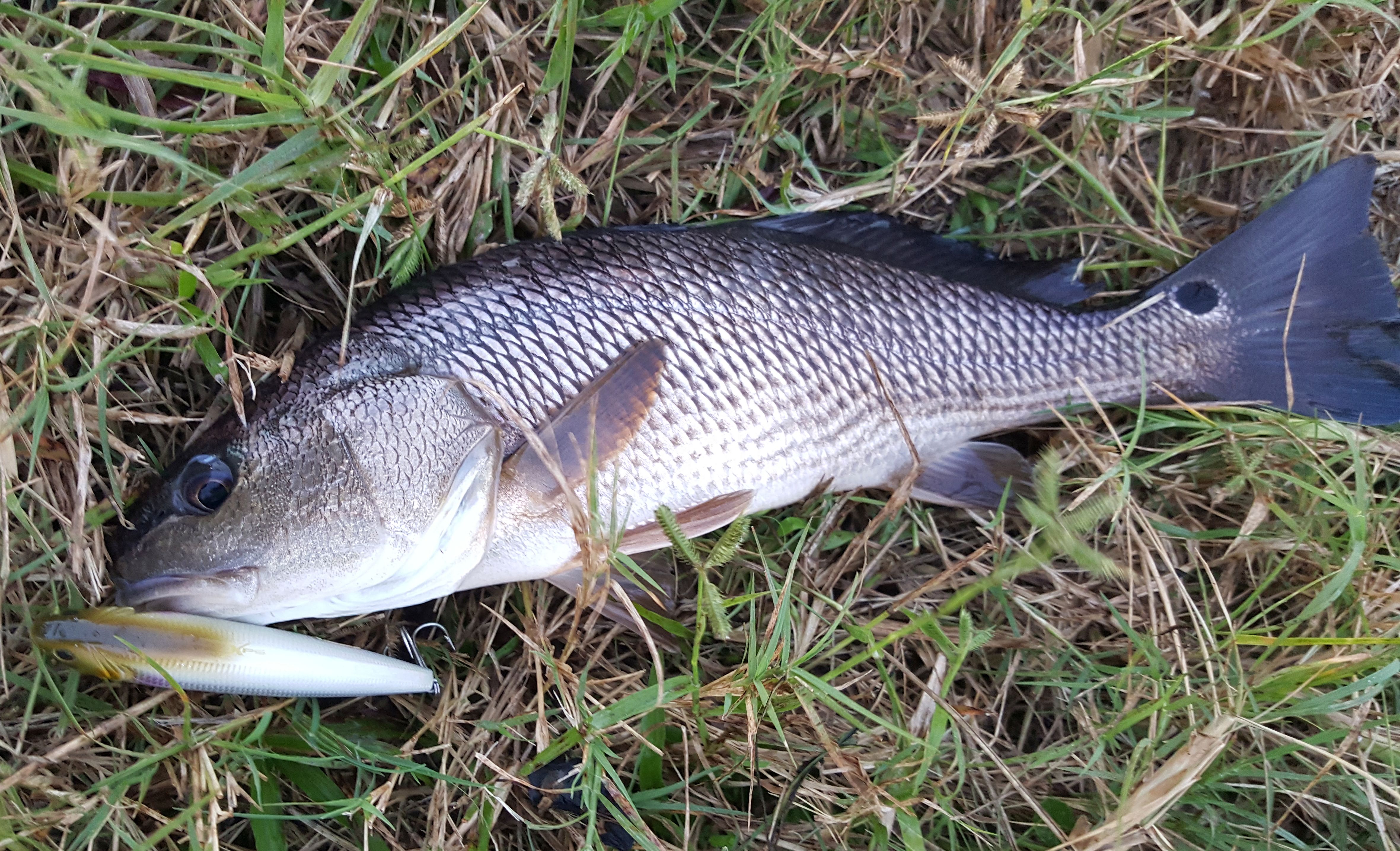 Although the barriers to vehicle traffic are still up on the dyke roads in the Merritt Island National Wildlife Refuge, you can find some great fishing opportunities this time of the year for sea trout and oversize redfish in the marsh canals and the mudflats along the Indian River if you don't mind walking the roads. The reds are around and can be caught all day, but fish early in the morning and later on towards dusk to catch the sea trout and larger redfish. The fish move through the marsh canal traveling from pond to pond busting baitfish along the banks as they go. A well placed gold Johnson's spoon, D.O.A. Shrimp, or soft plastic jerkbait will usually trigger a strike. Inshore anglers fishing the west end of the Sebastian Inlet area farther south with Goofy jigs have been catching pompano in the deeper flats between the Inlet and Black Point. Some of the deeper areas around the spoil islands and the edges of the Intracoastal have been holding slot size schooling sea trout. Saltwater Assassin sea shads in the Watermelon with Red Flake and Copper Juice colors, on a 1/8 or 1/4 ounce jig head have been baits of choice for anglers targeting schooling sea trout. Port Canaveral and Nearshore Fishing: Although the fronts have kept a lot of captains tied up to the dock; on fishable days look for feeding wahoo sailfish, dolphin, and blackfin tuna along the color change at the edge of the clean blue water, just inside of the western edge of the Gulf Stream. Trolling a skirted ballyhoo is one of the most effective ways to find these fish and eliminate unproductive areas. Once you get a hit or two, concentrate on the area and try chumming or chunking cut baits to get the fish around the boat. The Kingfish bite out of Blue Point Marina has finally started up again, and some decent size fish are now being caught. The bluewater trips have also been producing some nice catches of dolphin and cobia. Because of the red tide, live bait has been hard to get and anglers have been forced to use frozen minnows, which work almost as well for Kingfish. 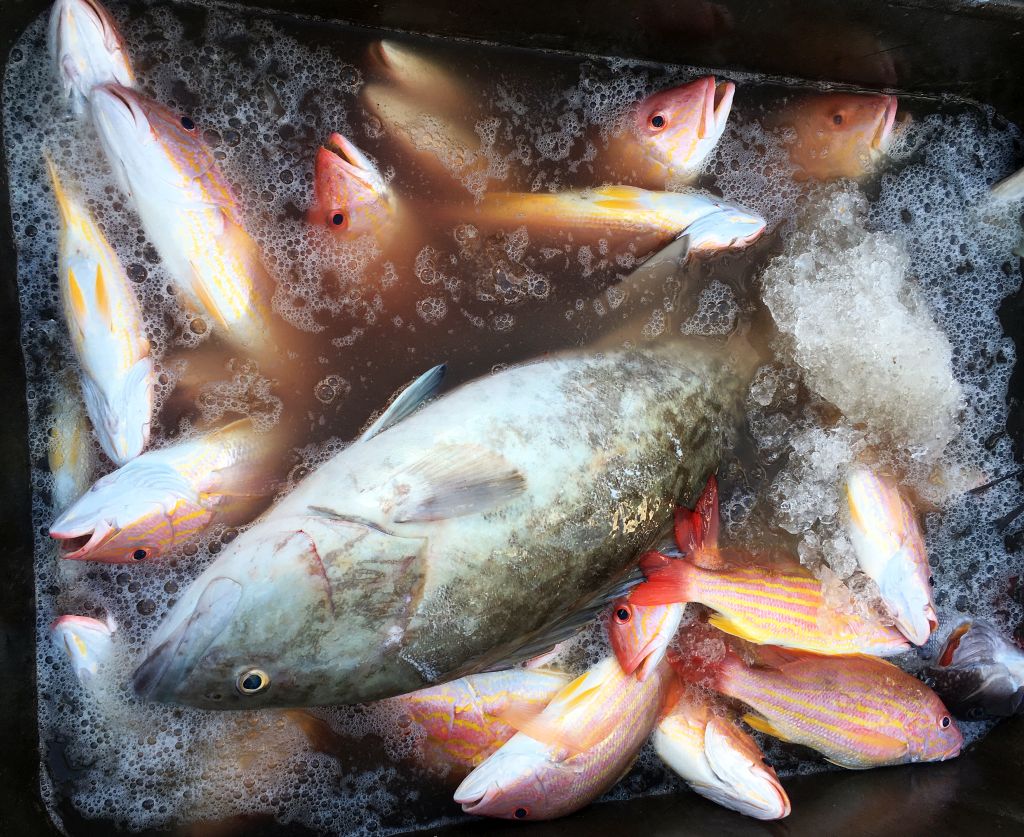 Bottom fishing the wrecks and reefs has also been very good for triggerfish, black sea bass, lane snapper, vermilion snapper or beeliners, grouper, and throw back Red Snapper. Chicken rigs account for the vast majority of catches. Bottom fishing the wrecks and reefs has also been very good for triggerfish, black sea bass, lane snapper, vermilion snapper or beeliners, grouper, and throw back Red Snapper. Chicken rigs account for the vast majority of catches.The cold fronts and cooler weather has ramped up the nearshore bite as well. In between the days when the wind was just too strong to get out, the bite for bull redfish, snook, shark, and a few tripletail and cobia has been pretty good. Right now there are schools of bull redfish and Spanish mackerel running just off the beaches in 15 to 30 feet of water. From Ponce Inlet all the way down to Sebastian, the guys fishing the Inlets and passes with large chunks of ladyfish, mullet, Spanish mackerel, and even bluefish have been catching plenty of fish. The bull reds and snook are holding along the drop offs in the channels and the jetty’s. Most of the guys have been fishing their baits using a 3 or 4 ounce sliding sinker rig with about a 3 foot section Fluorocarbon leader and a 6/0 owner circle hook rig. Between the cold fronts when you can get hold of some larger live pinfish or pigfish for bait, the snook bite has been exceptionally good. Good numbers of fish in the 20 to 40 inch range are being caught by anglers free lining their baits on 5/0 or 6/0 hooks tied to 50 lb. fluorocarbon leaders. The snook are staging in the same areas as the redfish and have been hitting well at night. Don't be surprised if you have a few redfish, jacks, or even flounder or two eat your baits. Flounder: Flounder are now being caught in areas where a sandy bottom abuts a rocky shoreline with a strong current. Anglers using fish finder rigs and live mud minnows or finger mullet for bait have been catching good numbers of fish this past week. After the first cold fronts pass by, the winter flounder will start to come into our area in better numbers. The sea walls at Port's End Park along the west end of the Port, the rocky jetties at the west end of Jetty Park, and the pier at Jetty Park are all popular locations for winter flounder fishermen. The majority of flounder fishermen will be using live finger mullet, mud minnows, or live shrimp for bait, but hair jigs and jigs tipped with a small piece of peeled shrimp work well and cover more ground. Playalinda Beach Surf Fishing: Playalinda Beach in the southernmost portion of the Canaveral National Seashore will be a hot spot for Pompano for the next couple of months in East Central Florida. Situated in the Merritt Island National Wildlife Refuge just north of the Kennedy Space Center and the Cape Canaveral Air Force Station, Playalinda Beach is the longest stretch of undeveloped beach on Florida's East Coast. 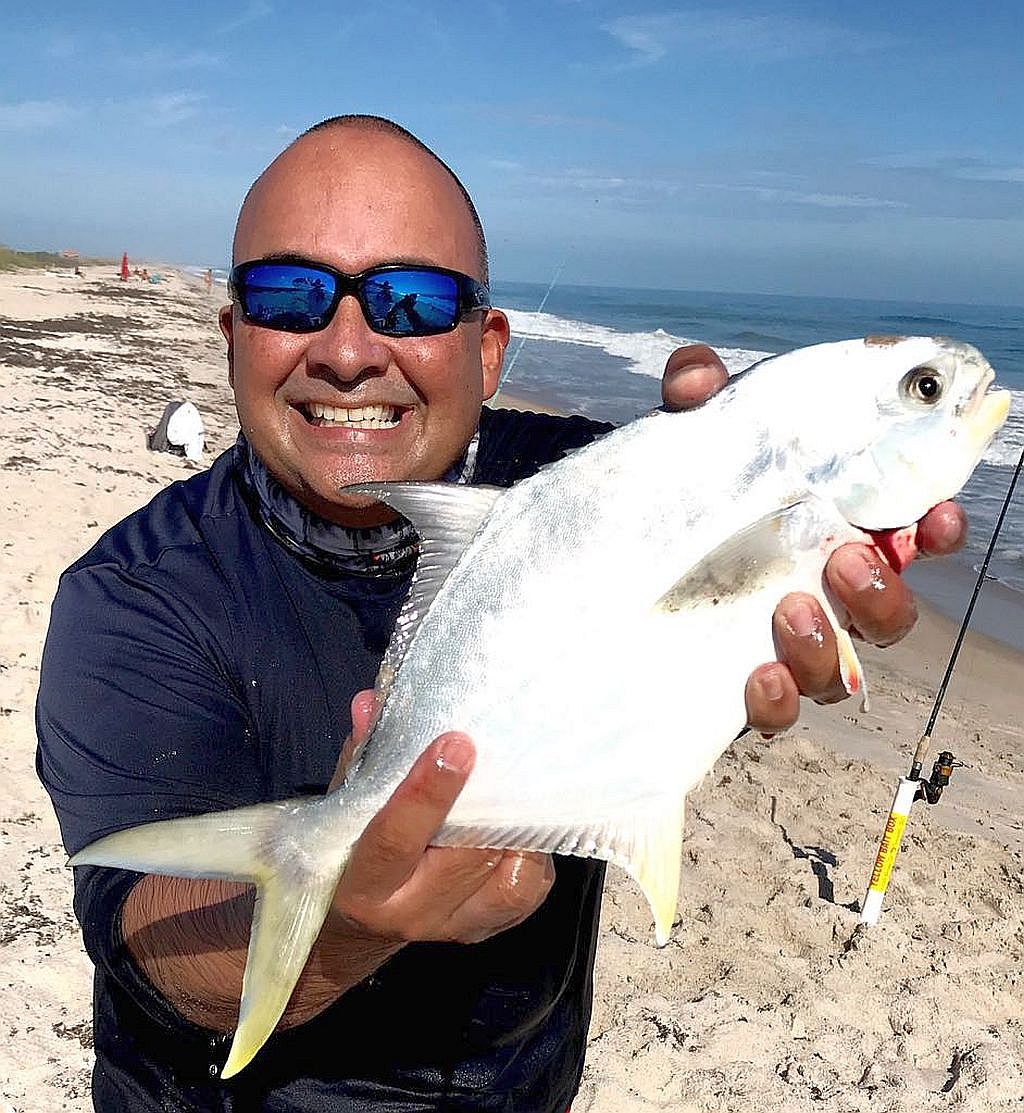 There are thirteen parking lots that provide easy access to the beach. Most access points have restroom facilities and six of the parking are are equipped with handicapped access ramps. During the winter months the beaches are often void of human activity, especially during weekdays. This past month I've fished the surf during the week several times with absolutely no one else in sight except a park ranger checking for licenses. The narrow beach at Playalinda drops off sharply in several areas forming deep troughs that are within easy casting distance from the beach. The last hurricane caused some beach erosion that made some of the troughs in the northern portion more distinct. During incoming tides, sand fleas, crabs, small shrimp, and baitfish are pulled into the deeper troughs with the backwash from the shore breaks and swells that cross the offshore sandbars just past the troughs. This is the best time to find schools of pompano and whiting moving in closer to the beach as they feed on the crustaceans and baitfish caught in the troughs. During outgoing and low tides, the schools move out into deeper water just past the sandbars where longer casts are needed to catch them. We’re still patiently waiting for the really big migrating pompano schools to work their way down to the Space Coast, but with the coming fronts, anglers are still catching some keeper Pompano along with, whiting, black drum, and an occasional redfish. 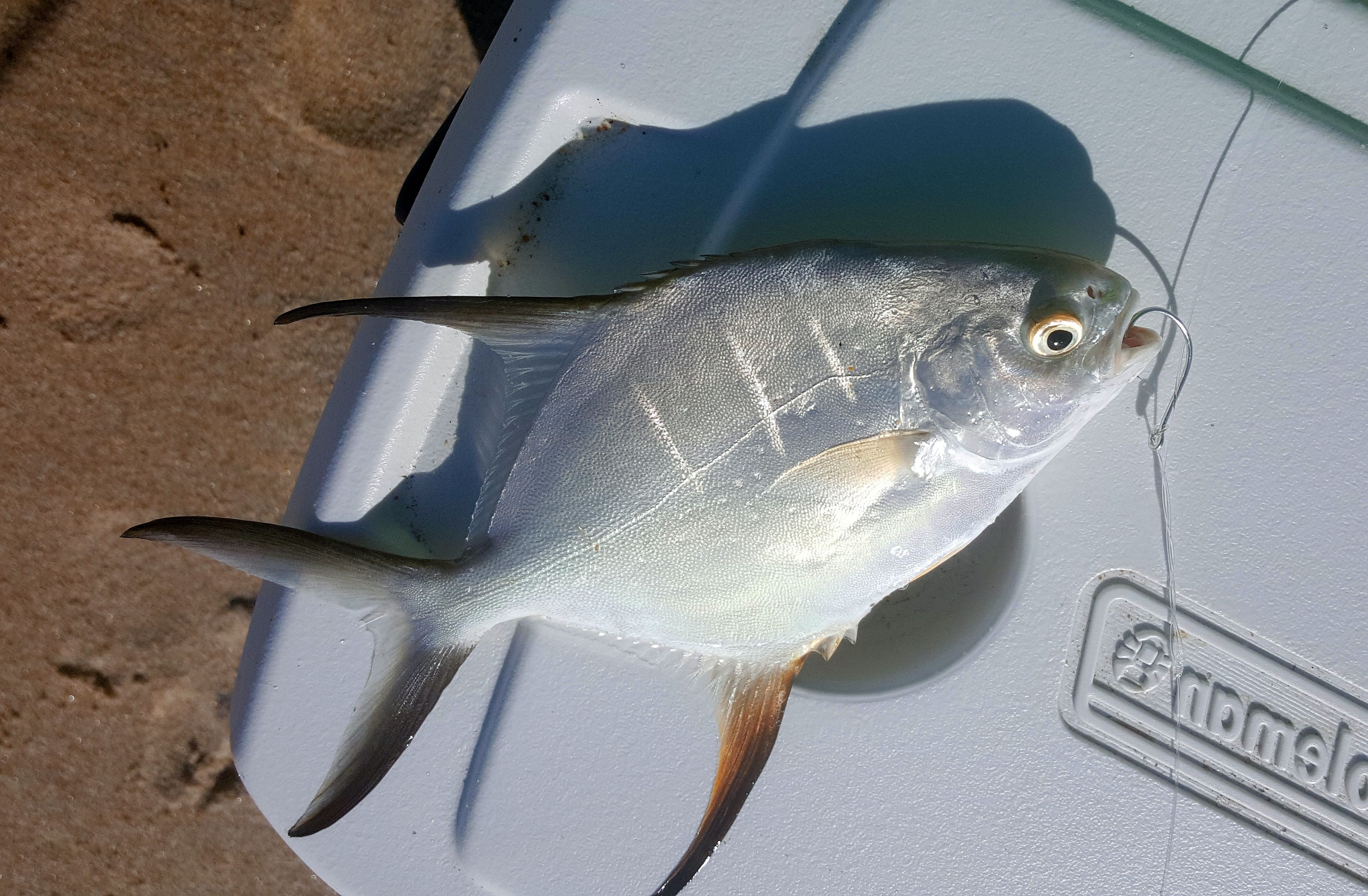 This past Thanksgiving week, a lot of Pompano, Whiting, and juvenile black drum were being caught at Playalinda by surf fishermen between lots #8 and #13. Although some of the pompano were of decent size, most were just at the 12" slot or under size juveniles. The
best bite has been best at first light and in the evening a couple hours before tidal change. This past Thanksgiving week, a lot of Pompano, Whiting, and juvenile black drum were being caught at Playalinda by surf fishermen between lots #8 and #13. Although some of the pompano were of decent size, most were just at the 12" slot or under size juveniles. The
best bite has been best at first light and in the evening a couple hours before tidal change.Most of the fish are being caught on live sand fleas, Fishbites, clam, and small pieces of shrimp. Are all considered baits of choice for pompano, whiting, and black drum. Pink colored fishbites in the clam flavor have been working well on the whiting, pompano, and black drum. As the Southeast winds and warm tropical flow is replaced by a northwest wind and a cold front pattern, the action along the troughs is sure to improve. The few surf fishermen who were targeting bluefish and Spanish mackerel casting silver spoons and diamond jigs with smaller rods reported mixed results. Several reported catching good numbers of blues but they were mostly running on the small side. 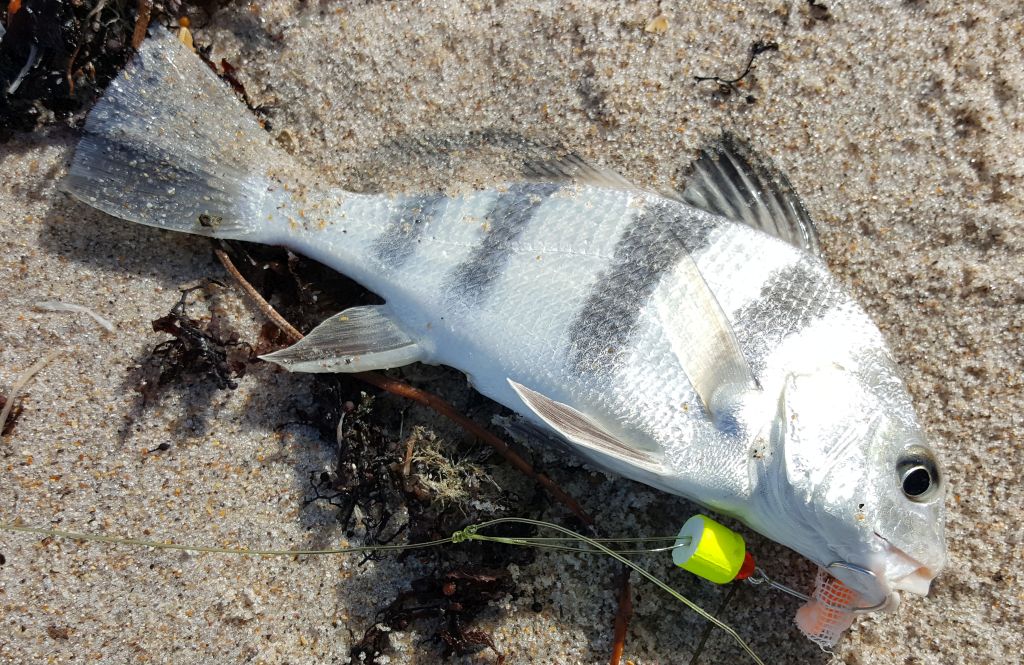 Cut finger mullet, ladyfish, and larger fresh shrimp are all baits of choice for bluefish. When good numbers of fish are in the surf, I prefer tossing a silver Krockodile spoon into the surf. Around Melbourne Beach, several anglers reported limiting out on bluefish using 1/2 oz silver spoons. The basic surf fishing rig that most fishermen use at Playalinda for whiting and pompano is an 8' to 12' surf rod, a spinning reel loaded with 10 to 20 lb monofilament or braided line, and a 1 or 2 hook dropper rig with a 1 to 4 ounce pyramid sinker. Replace the kahle hooks on your dropper rigs with 2/0 Eagle Claw circle hooks to get more hookups. I've also started using the Sputnik type weights in the surf instead of pyramid sinkers. They seem to hold bottom much better and reel in easier when a fish hits. A $10.00 per day per vehicle Park entrance fee is charged to fish Playalinda Beach, or you can purchase a $40.00 annual pass at the entrance booth. If you are 62 or older, you can buy a Senior Pass for $20.00 or a Senior Lifetime Pass for $80.00. A signed Refuge Sport Fishing permit must also be carried on your person while fishing in the Merritt Island National Wildlife Refuge. You can pick one up at the entrance station, any of the kiosks, or you can download it HERE. The self-issuing permit insures that you have read and understand Merritt Island National Wildlife Refuge's fishing rules and regulations. As of May 22, 2017, recreational crabbing along the Mosquito Lagoon in the Playalinda district of the Canaveral National Seashore has been prohibited. The alligators have become so accustomed to people crabbing and stopping along the roadway, that they associate them with food and can cause problems. Sebastian Inlet: 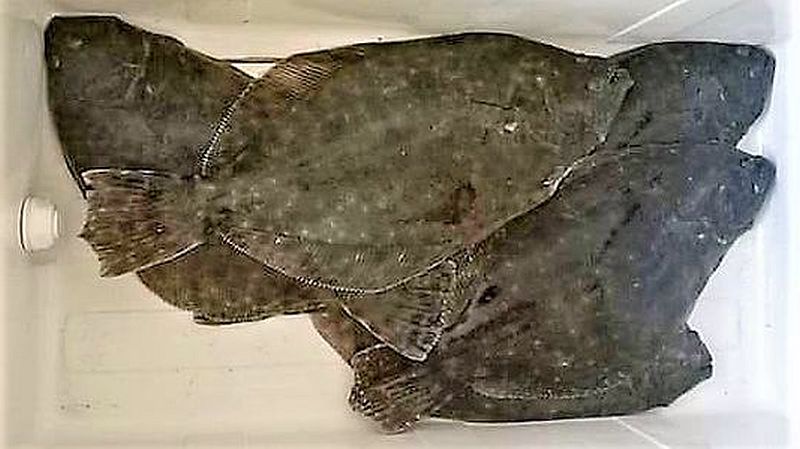 The fall Flounder run at Sebastian Inlet generally kicks off around Thanksgiving Day and by the middle of December many anglers will be landing a fair share of 8 to 12 pound "doormats". The doormats will normally stay in the Inlet through January. The fall Flounder run at Sebastian Inlet generally kicks off around Thanksgiving Day and by the middle of December many anglers will be landing a fair share of 8 to 12 pound "doormats". The doormats will normally stay in the Inlet through January. Paul Szoke of the Sebastian Fishing Club caught a near limit of flounder this week fishing with live shrimp and a sliding sinker rig. Although live finger mullet account for the majority of doormats that are caught; live mud minnows, shrimp, and hair jigs also take a good share of fish. A couple weeks ago this near limit of flounder was caught by Paul Szoke of the Sebastian Fishing Club with live shrimp on a sliding sinker rig. Most anglers targeting flounder at Sebastian use a sliding sinker rig or knocker rig to keep the bait right on the bottom. Short fluorocarbon leaders (about 12 inches) and enough lead to keep the bait in the strike zone with an occasional hop off the bottom to cover more area is a proven fish getting tactic. Most of the doormats at Sebastian are caught by boaters, but bank fishermen on the rocks and on the catwalk at the State Road A1A bridge also take their share of fish. Haulover Canal: From October through January, breeder "bull redfish" and black drum move in greater numbers from the Mosquito Lagoon, through the deeper waters of Haulover Canal into the northern Indian River. Even before Thanksgiving week, the bite at Haulover Canal for Bull Redfish and big Black Drum had been on fire. 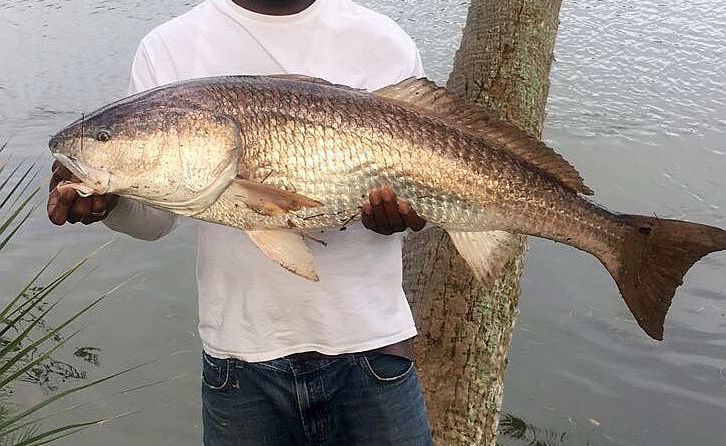 When I fished the canal on Thanksgiving week, fishermen were lined on both sides of the canal's banks, and the area looked like opening day of trout fishing season on a Pennsylvania fishing creek. I hooked and almost landed a big bull red on a jumbo shrimp that was in the 30 pound plus range, but it broke off right at the bank. Another fisherman down the bank who was also using Power Pro got tangled up with me and "end of story". Most of the bull redfish were being caught on half of a blue crab with the claws removed or large sectioned pieces. All of the anglers I spoke with who were catching black drum were using either fresh dead shrimp, live shrimp, or pieces of fresh blue crab for bait. All of the redfish and a lot of the black drum caught from Haulover during the last few weeks have been well over the slot, and reports of a dozen or more black drum being caught per day were not unusual. However, most of the black drum caught were in the 10 to 15 pound class. Although a couple of bank fishermen I talked with were trying to catch Mangrove Snapper with live shrimp, just about everybody else was concentrating on catching black drum and redfish. If you're bank fishing at Haulover Canal, it's a good idea to use Power Pro or any other brand of fine diameter braid as your main line, and a heavy fluorocarbon leader snelled onto a 5/0 or 6/0 VMC circle hook as terminal tackle. The braid minimizes cutoffs from fishermen and the Coquina rocks that line the banks of the canal. No bank fishing is allowed in Haulover Canal at night, but boaters night fishing almost any time of the year have an opportunity of catching big black drum, bull redfish, snook, sea trout, Gag Grouper, Mangrove Snapper, and even tarpon in season. 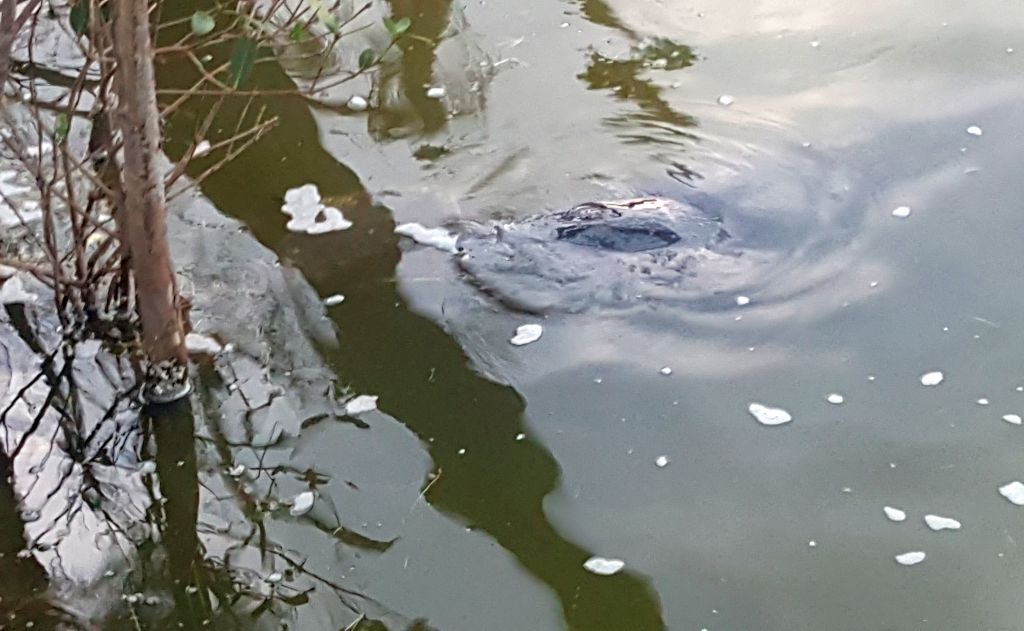 There are literally tons of Sea Manatees in the canal that have no fear of people. They come up to the bank at time to feed on sea grasses and will occasionally run through your fishing line. If this occurs, save as much line as you can and cut the line off as far out as possible. The Manatees get beat up enough by the boat props. Until next time, Tight Lines, bent rods, and a Merry Christmas to each of you ! |
|||||||
| Link One | Link Two | Link Three | Link Four | Link Five | Unsubscribe to this newsletter |