Your August 2018 Mosquito Lagoon & Indian River Fishing Report
Published: Wed, 08/01/18
| Newsletter Issue # 109 | August 1, 2018 |
||||||
Mosquito Lagoon & Indian River Fishing |
|||||||
 The Mosquito Lagoon and Indian River:
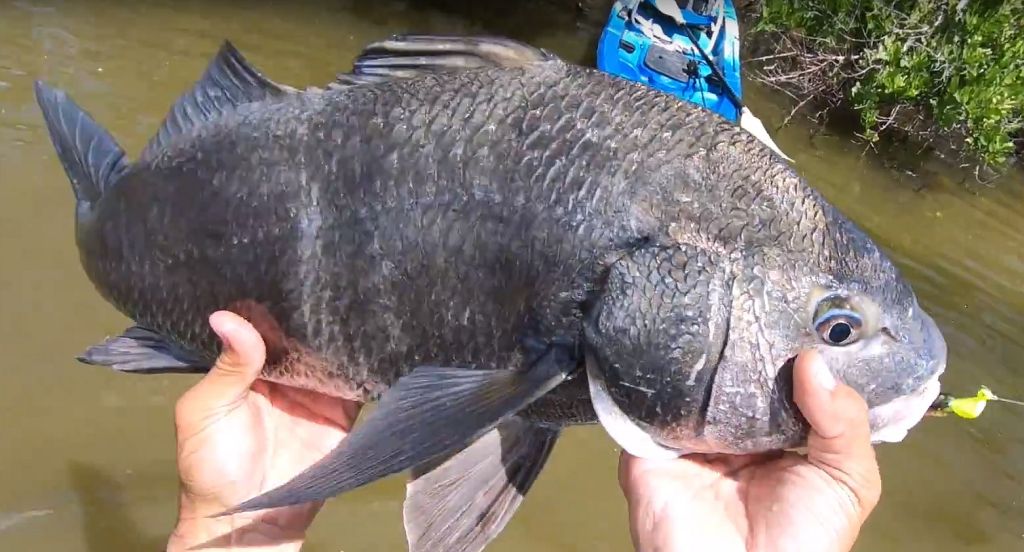
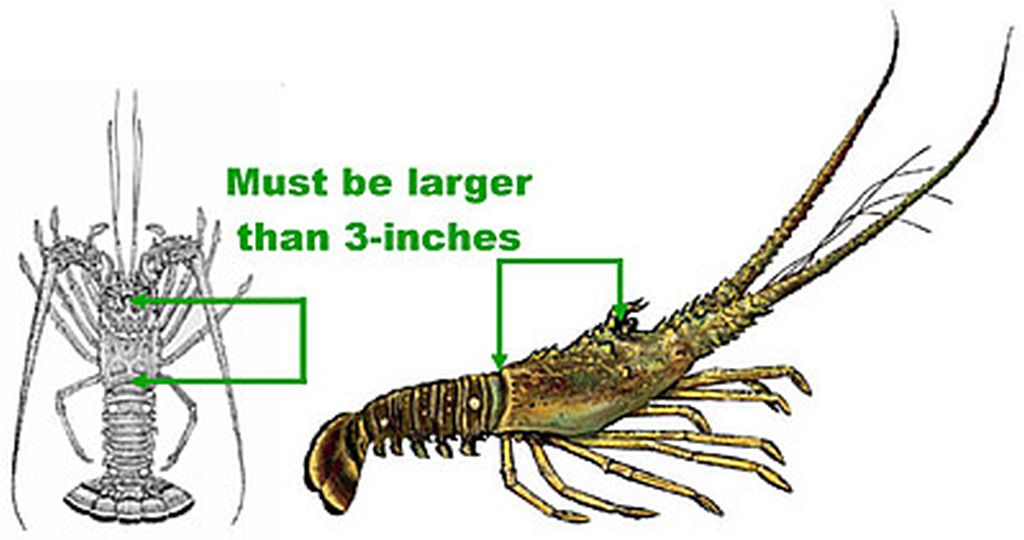
Fish the dropoffs or up on the flats first thing in the morning and then as the day progresses, fish the channels and depressions. Live shrimp, cut sections of live blue crab, or dark colored jigs tipped with a sand flea have been the baits of choice for these bruisers. Most of the fish caught have been in the 15 to 30 pound range with some into the 40s. In the Merritt Island National Wildlife Refuge, Catfish Creek Loop has been closed again to vehicle traffic but some nice redfish and sea trout are available to anglers who don't mind taking a walk along the road. Target the deeper areas in the ponds and marsh canals for the larger sea trout and reds. 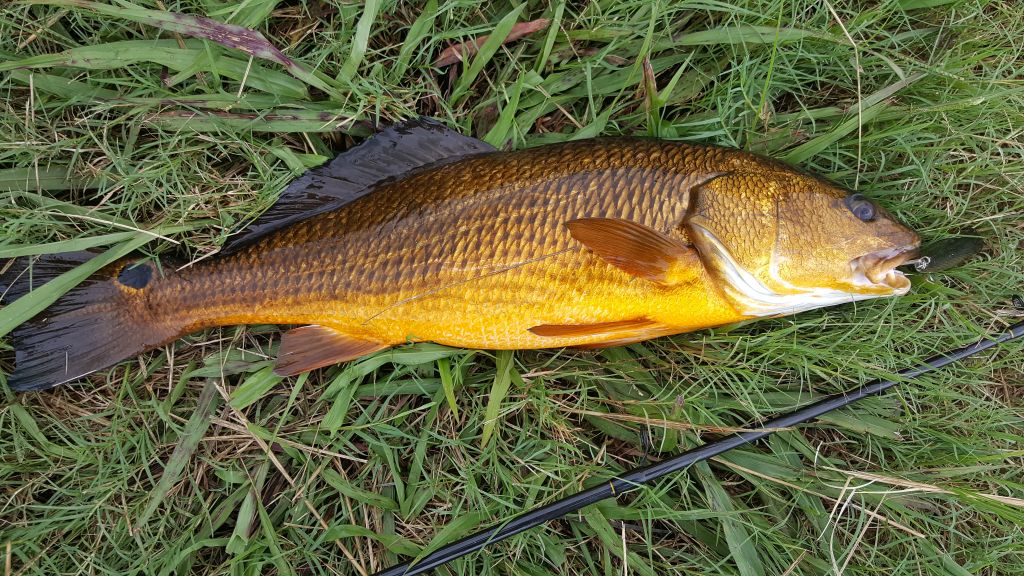 A topwater Chug Bug smeared with some Pro-Cure or an XPS Slim Dog type "walk the dog" bait is hard to beat when fished a couple of hours before dusk or just after the thunderstorms roll through. Espect to lose some hooked fish to the heavy growth along the "ditches". Offshore Fishing: Although I have been getting some reports of Blue Marlin being caught by anglers out of Port Canaveral on the east side of the Gulf Stream, the best bite for this species, especially larger fish, occurs during October. 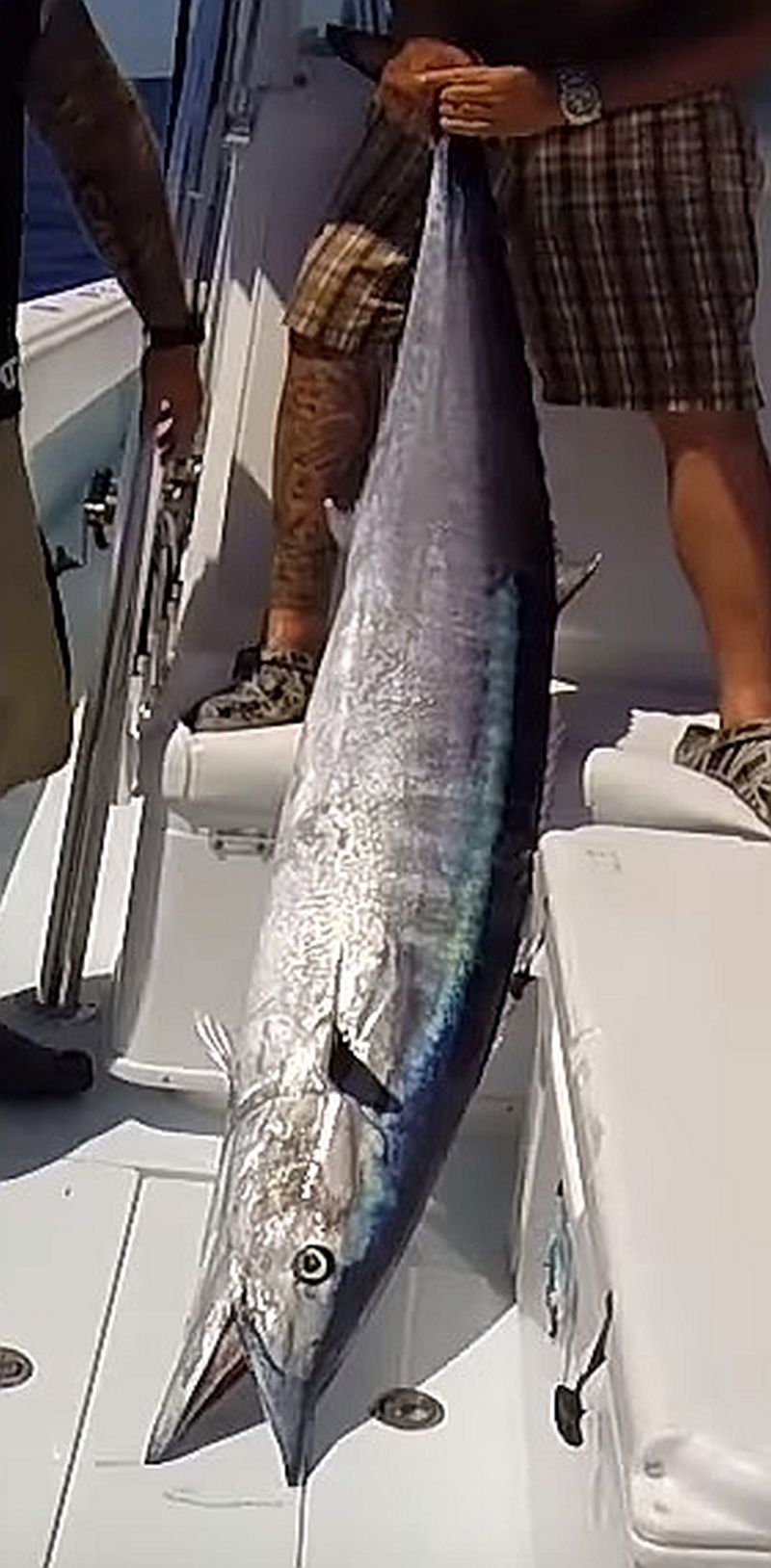 Most of the Blue Marlin are being caught by anglers trolling blue and white Islander skirts with ballyhoo or a Spanish mackerel, or on 10 to 14 inch plugs trolled at 6 to 10 knots. Start looking for Blue Marlin in the 200 foot and deeper depths starting on the west side of the Gulf Stream. Most of the Blue Marlin are being caught by anglers trolling blue and white Islander skirts with ballyhoo or a Spanish mackerel, or on 10 to 14 inch plugs trolled at 6 to 10 knots. Start looking for Blue Marlin in the 200 foot and deeper depths starting on the west side of the Gulf Stream. The average size Blue Marlin caught out of Port Canaveral will run anywhere from 100 to 200 pounds. Most of the charter Captains running out to the other side of the Gulf Stream also clean up with Skipjack, Yellowfin Tuna, bull Dolphin, Wahoo, and an occasional White Marlin. Yellowfins have been rinning anywhere from 35 to over 100 pounds. Heavyweight Wahoo are also on the agenda during July and August out of Port Canaveral. Fish in excess of 100 pounds are commonly caught during the summer months along the southern Oculina Bank in 190 to 320 feet of water between Daytona beach and Fort Pierce. Local fishermen refer to this area as the Steeples or Cones, because of the jagged appearance that the coral heads, pinnacles, mounds, and ridges mark on their depth recorders. Although bottom fishing is prohibited in this area from Cape Canaveral to Fort Pierce Inlet, trolling is allowed and during the summer months, huge Wahoo are drawn to the forage found in this area. Most of the guys targeting big Wahoo troll 5 or 6 lines along a zig zag course at an 8 to 10 mile per hour RPM setting. The spreads normally consists of two lines at least 100 yards back, two short riggers 100 feet back, and another one or two baits at 150 feet, with in-line No.3 planer on all lines. Baits of choice include well brined select ballyhoo on Ilanders or similar hard trolling baits. Nearshore Fishing: The wrecks, reefs, and the 70 to 90 foot depths along Chris Benson, Pelican Flats, and 8A are usually the most hammered during the month of August by anglers targeting Kingfish, dolphin, Sailfish, and an occasional Wahoo. Slow trolling live pogies or mullet on stinger rigs is the preferred method for catching these species. On calm days, small boat anglers will often slow troll live baits on stinger rigs only a few miles from the beach. This tactic can get you hooked up with a smoker kingfish like the 50 pounder in the pic below. The kingfish was taken only 5 miles from the beach on light tackle while slow trolling using a trolling motor.  The combination of the full moon and the cold water up-welling into our near shore waters has caused the King Mackerel in our area to move back and forth between the beach and the 70 to 90 foot reefs. They may be roaming the beach for pogies one day, run out to the 40 to 50 foot depths to eat greenies and pilchards the next, or head offshore to the warmer reefs for sardines and blue runners. If you can locate the bait, expect to catch kings in most of these areas in the 10 to 20 pound range, with some "smoker" kings up to 60 pounds or more. Right now out of Port Canaveral, most of the baitfish are holding in areas 4 to 8 miles from the beach. The buoy 2 area out of Port Canaveral has been holding a lot of smaller kings, but some larger "smokers" in the 40 pound category are also being caught. The Mangrove snapper bite is still good on the 70 to 90 foot reefs and wrecks out of Port Canaveral. Free lined chunks of baitfish on 25 pound Sufix fluorocarbon leaders in the chum line is a preferred method for catching these tasty fish. If you want to cover more water, try using a ¼ or ½ ounce jig head with a DOA Shrimp smeared up with some Pro-Cure to target mangrove snapper and flounder. Cast the jig as close as possible to any structure or around the sandy drop offs and let it sink to the bottom. Then drag it back very slowly while letting it rest every foot or so. This technique works almost as good as live bait for flounder, mangrove snapper, and even Spanish Mackerel. When the water is clean around the Port Canaveral buoy line this month, nearshore fishermen should also expect to see tarpon, big Jack Crevelle, bonito, and a variety of sharks following the baitfish concentrations. One of the best areas in East Central Florida for catching shark during the summer months is the Canaveral bight. Surf Fishing: Although surf fishing this month is usually dominated by anglers targeting whiting or sharks, August is one of the months when you can catch heavyweight snook in the surf along our East Central Florida beaches. 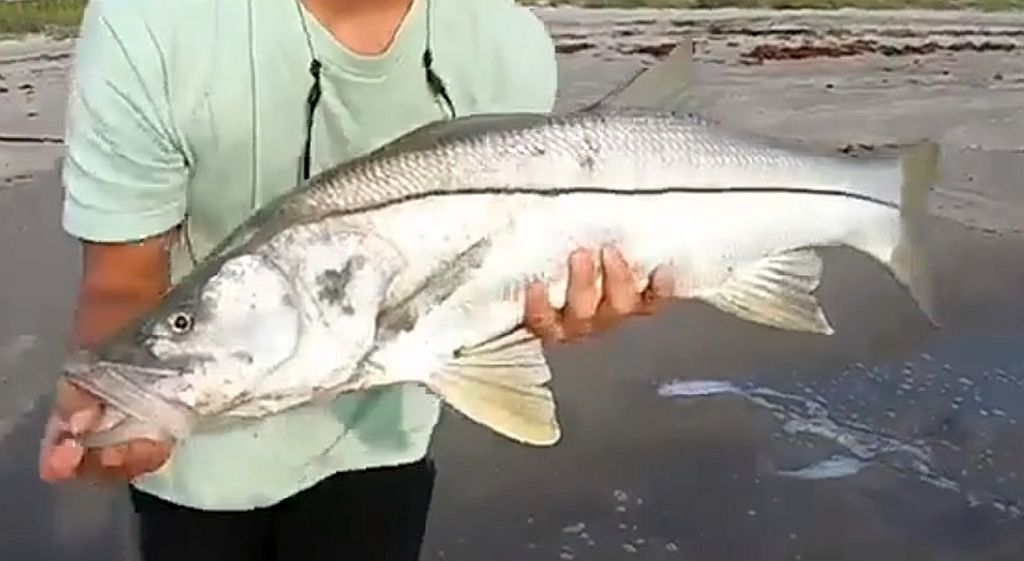 During the early mornings, late evenings, and the first couple of hours after sunset, bragging size heavyweights roam the depressions and troughs along the surf looking for food. Live Croakers, or 8 to 10 inch long mullet fished on fluorocarbon leaders are the best choices for bait, but plastic jerkbaits, swimbaits, and even topwater plugs will all attract snook. The current size and seasonal snook closure makes catch and release the norm, but they are great fun in the surf on light tackle. Catching shark in the surf is a waiting game that can hook you up with almost any species of shark that swims. Most shark caught in the surf will be less than a couple of feet long but bull sharks, nurse shark, large black tipped shark, and hammerheads up to 10 feet long are always a possibility. A variety of live or large bloody chunk baits will eventually get you a hookup. Use appropriate tackle for the species you are targeting. Coated wire strand leaders, heavy wire, or 80 to 100 pound mono leaders are needed to prevent break offs, and a heavy to medium heavy stick with a large capacity reel and 60 to 100 pound plus braid is recommended as a main line if you plan on going after the larger species. Stingrays, particularly Cow Rays (if you can get them) make an excellent bait with the wings and stinger removed. Bull Sharks are a particularly aggressive species that travel far up into freshwater rivers and will follow schools of bait fish into the Indian River where they bear their young. This species is the cause of many freshwater shark attacks and should be considered before you decide to go wade fishing in the river for sea trout or redfish. Haulover Canal: 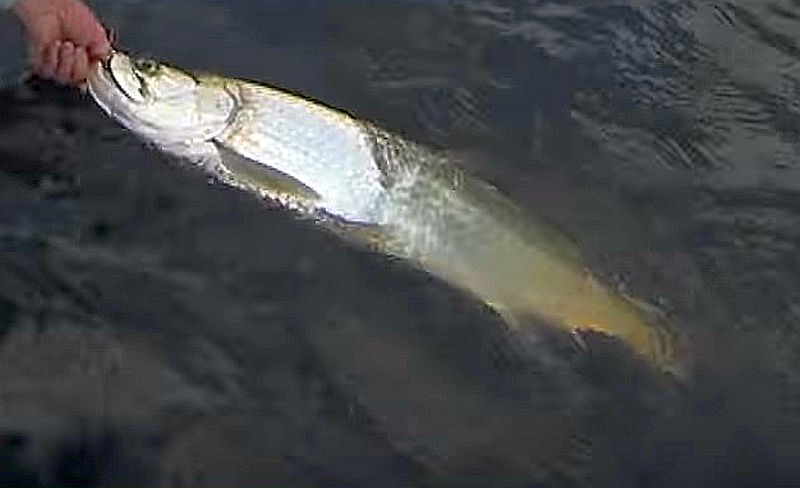 Haulover Canal fishermen will be targeting the oversize Redfish that travel from the Mosquito Lagoon to the northern Indian River to spawn, but Black Drum, Snook, Tarpon, and Sea Trout are also on the menu this month. Haulover Canal fishermen will be targeting the oversize Redfish that travel from the Mosquito Lagoon to the northern Indian River to spawn, but Black Drum, Snook, Tarpon, and Sea Trout are also on the menu this month.Littering along the banks of Haulover Canal caused a closure last year, but as of this date daytime bank fishing is still permitted. Boat fishermen targeting bull redfish and black drum favor standard sliding sinker rigs with a 5/0 or 6/0 VMC 7685 circle hook and half of a fresh blue crab for bait. Live Croakers, mullet, Sailors Choice, and large chunks of fresh ladyfish also work well. When fishing with live baits, try using a knocker rig to get the bait on the bottom and hook it close to the tail so it swims away from the sinker. Fishing with topwater Chug Bugs, SkitterWalks, or suspended twitch baits from a drifting boat is a productive tactic for catching big sea trout, Snook, and tarpon during overcast days, close to dusk, and at night. Right now tarpon in the 100 pound class have been moving through the canal from Ponce Inlet through the ICW. Anglers have been catching them with live mullet or pilchards on a circle hook, or with slow presentations with topwater or twitch baits. Spiny Lobster: The regular 8 month spiny lobster season opens for recreational and commercial harvesting on August 6th. and runs through March 31st. The daily bag limit and on-the-water possession limit is 6 per person. For additional information on harvesting Spiny Lobster Click Here.
Until next time, Tight Lines and bent rods! |
|||||||
| Link One | Link Two | Link Three | Link Four | Link Five | Unsubscribe to this newsletter |