Your June 2018 Mosquito Lagoon & Indian River Fishing Report
Published: Fri, 06/01/18
| Newsletter Issue # 107 | June 1, 2018 |
||||||
Mosquito Lagoon & Indian River Fishing |
|||||||
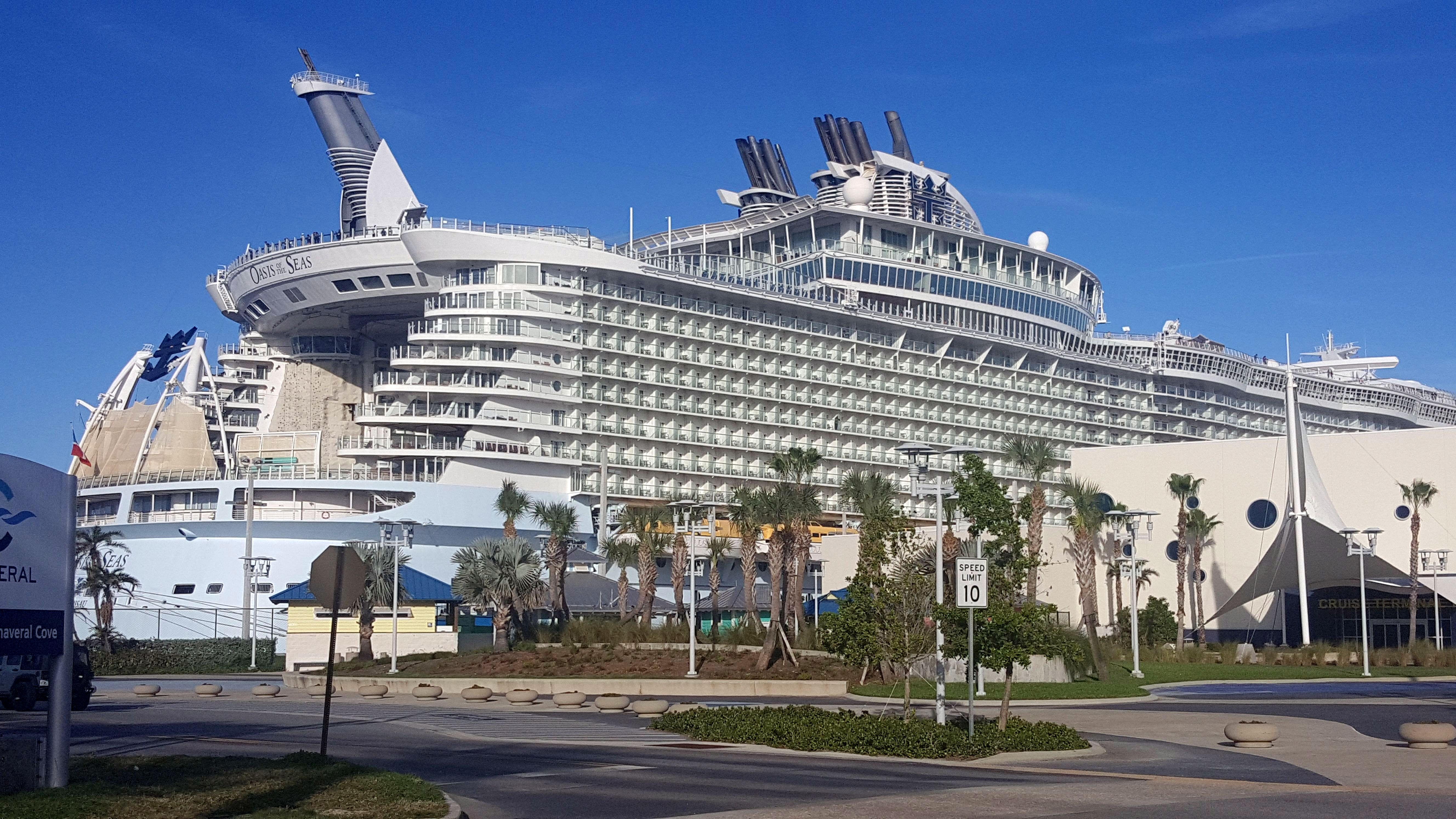 The Mosquito Lagoon and Indian River
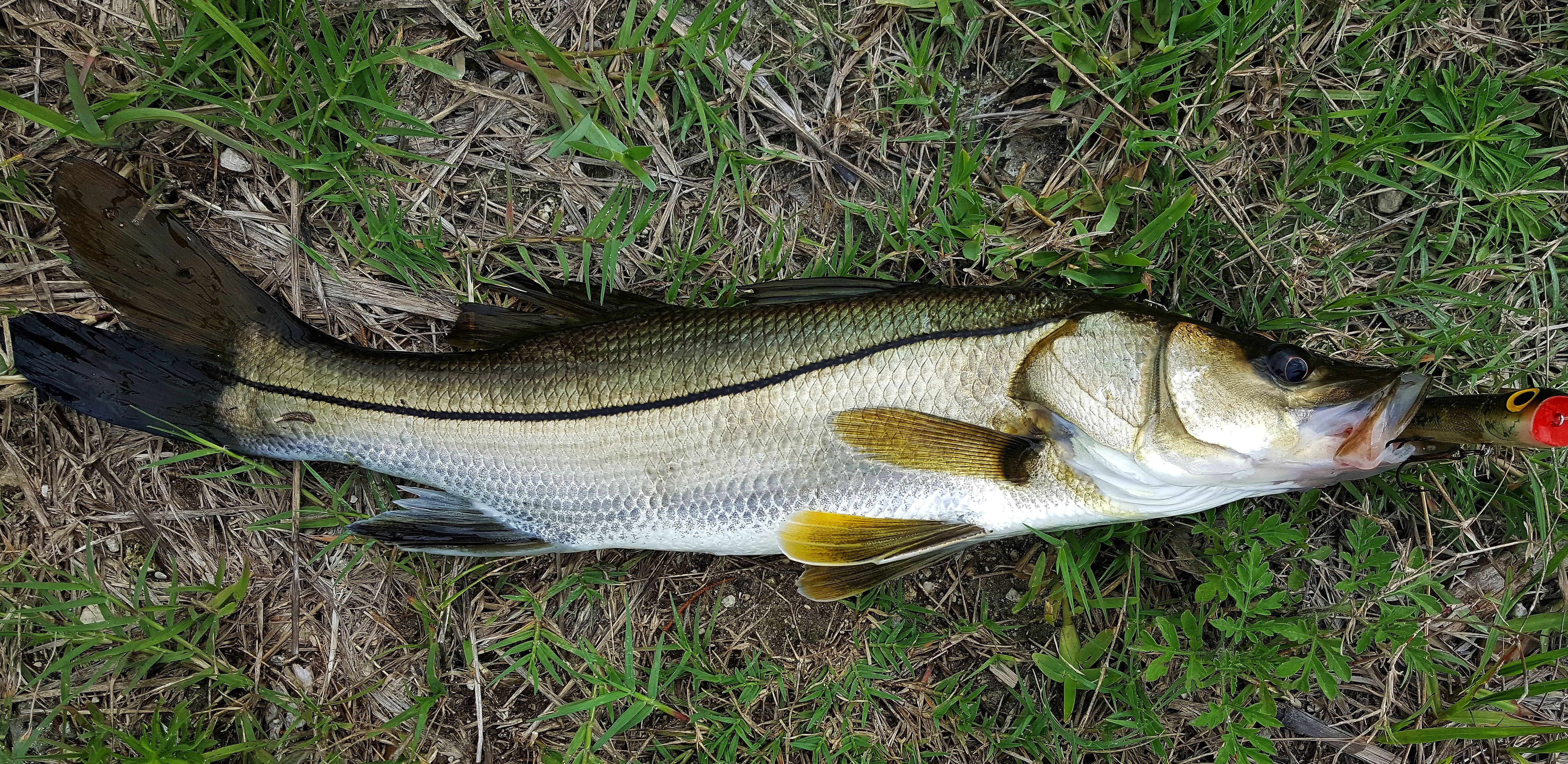
Target them with topwater Chug Bugs, plastic jerk baits, or flies that imitate a baitfish in the early morning hours or close to dusk. The fish spook easily so long casts and stealth approaches are necessary.
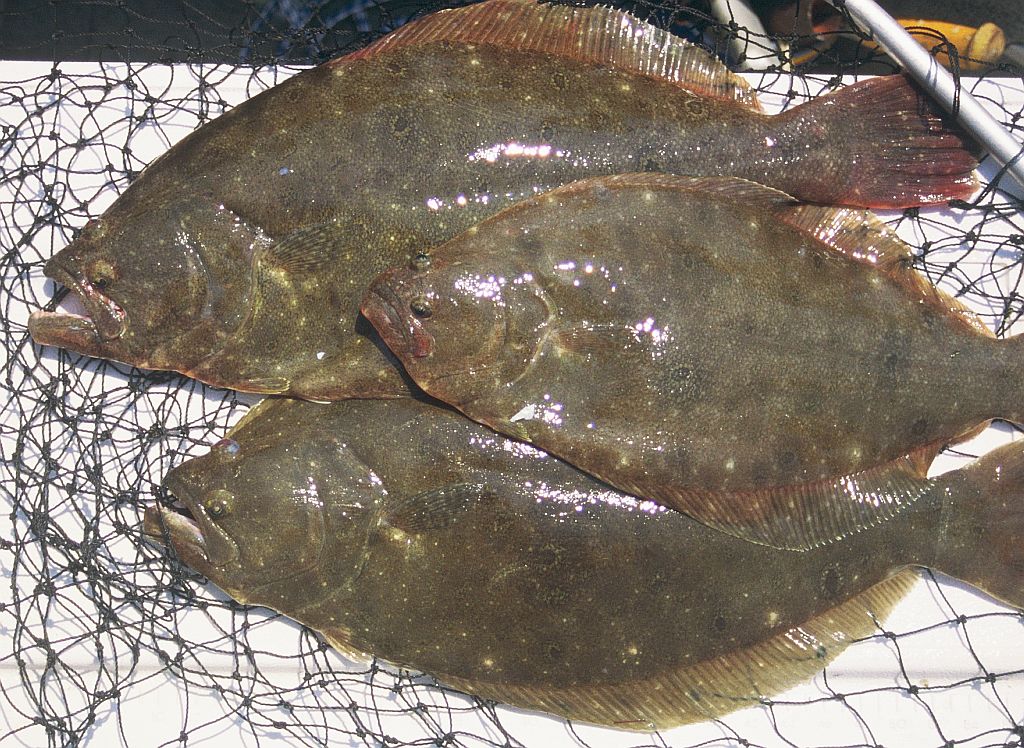
Playalinda Beach Although June is when our summertime fishing season for tarpon, large jack crevalle, Spanish Mackerel, bluefish, kingfish, and sharks shifts into high gear just off the beach, it is also a good month to target "bull" whiting in the surf. 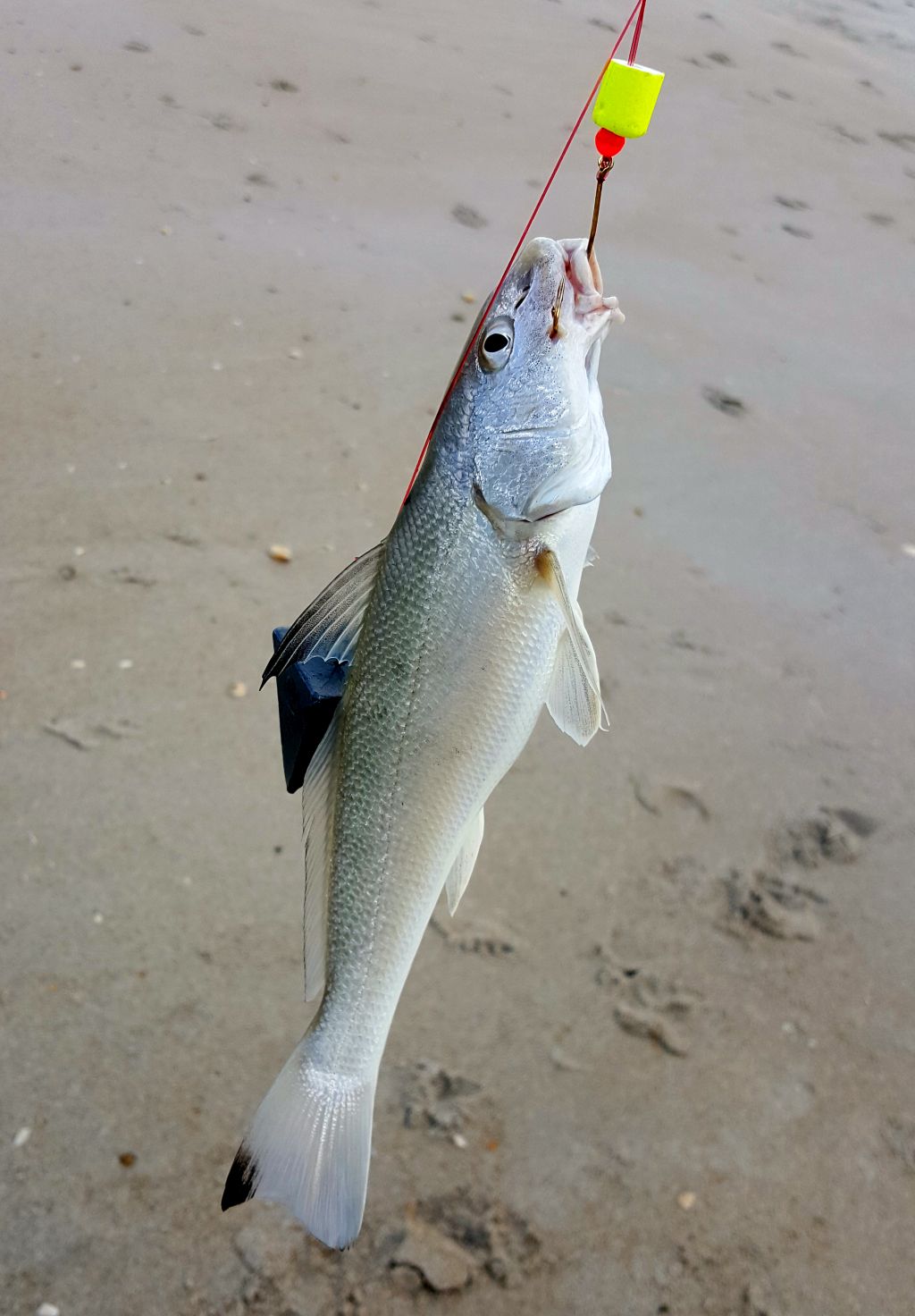 Whiting are plentiful, relatively easy to catch, and make excellent table fare. Whiting are plentiful, relatively easy to catch, and make excellent table fare. Although sand fleas, small pieces of peeled shrimp, small strips of clam, and "fishbites" are all good baits for whiting, shrimp and sand fleas are the most commonly used baits of choice. Most surf fishermen use a two or three hook pompano rig with a pyramid sinker heavy enough to hold bottom. In our area a 3 oz. sinker is sufficient, but there are times when a 4 or 5 oz. sinker is needed to keep your baits from travelling down the beach. When the surf is calm, a 7 foot river rod will do the job and provide you with more sport. Use small white, yellow, or chartreuse jigs tipped with a small piece of shrimp or a piece of fishbites hopped along the bottom. Schools of whiting will travel along the troughs created by wave action feeding on small crustaceans. They are often in the closest trough from the beach, which requires only a short cast. Don't surf fish blind, take some time to read the beach and target the breaks, troughs, and deeper sloughs that form just past the shore break. Look for wash out areas and rips that pull small crabs, clams, and sand fleas out to the troughs. Whiting, pompano, and black drum and other predators will station just outside these rips to pick up food as it is washed out into the troughs. Sandbars at Playalinda Beach usually form 15 to 20 yards out past the first trough. As the waves approach the farthest sandbar, they will break up and reform over the troughs where they break up again over the next sand bar, until they finally reach the shore. The deeper water troughs between the sandbars are where the biggest whiting are likely to be holding and where you want to target your casting. Breaks or cuts in a sandbar are often hot spots for fish that use them to swim between the troughs. Find out where the fish are feeding, or not feeding, by using several rods and staggering the distance of your casts until you start catching fish but most importantly, keep your baits in the feeding zone. Although the best times to fish for whiting are when the tide starts to come in, this is one fish that will bite on almost any moving tide. Last week before I headed back to work I spent a couple of hours at Playalinda's lot # 7 and picked up several whiting, a small black drum, about a dozen hard head catfish, and a small redfish before calling it a day. The surf was rough and I was fishing a rip, but a 4 oz sinker in the second trough on an outgoing tide was the ticket that day. Shark fishing from the beach is also good during the month of June. Almost any species can be caught by surf fishermen from the beach but Blacktips, Bonnet Heads, Bull, and Nurse Sharks are the most common. A coated cable or wire leader with a large VMC circle hook is the recommended terminal tackle with at least 60 pound or heavier Power Pro as the main line. Large chunks of fresh Mackerel, Bonita, stingray, mullet, ladyfish, or other bloody or oily flesh species will make an excellent bait for shark. Most of the fish caught from the beach are under 100 pounds, but every year much larger fish are caught in the surf by dedicated shark hunters. Port Canaveral Offshore and Nearshore Offshore Gag grouper have been on the ledges and wrecks out of Port Canaveral in 160 to 250 feet of water. Live grunts, pinfish, and croakers on a standard bottom rig have been producing good fish. 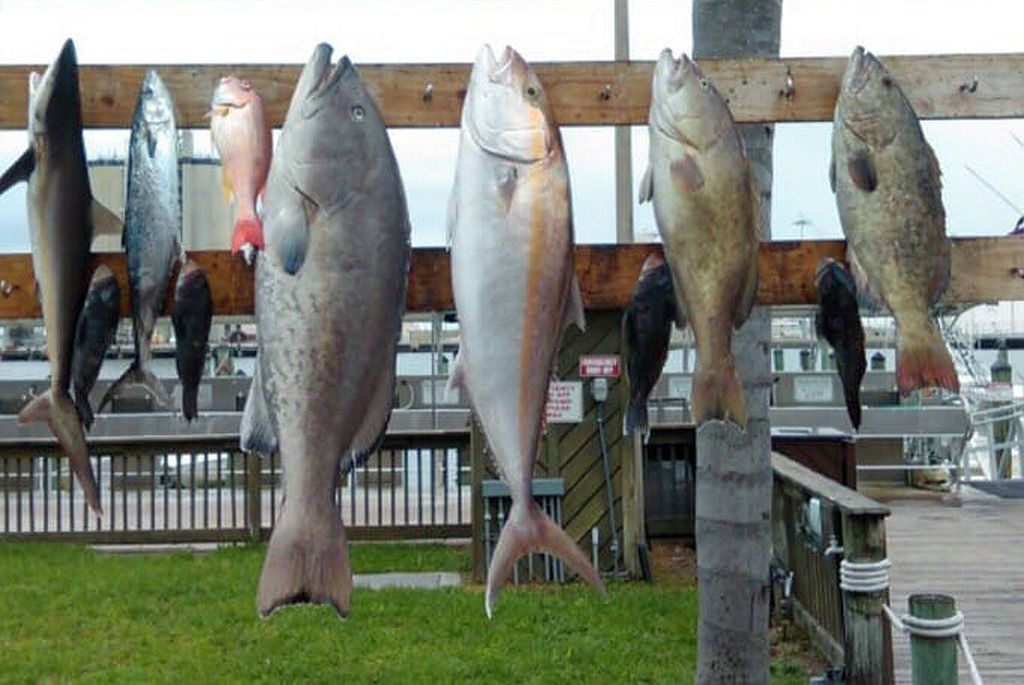 The biggest gag grouper have been from the 180 to 240 ft depths known as the “The Cones” by anglers out of Canaveral, and “The Steeples” by anglers out of Ponce. This area is always a good place to find big gags. Last week the gags were hitting large live baits, like bluefish, big croakers, big chunks of bointa, or any other live bait (the bigger the better). Try to get your hooked fish up to the surface and into the boat as quickly as possible. There have been a lot of sandbar sharks out there intercepting hooked fish before they get to the surface. Most of the gags caught off the Cones were in the 25 to 35 pound category. This past week out of Canaveral, Ponce, and Sebastian the guys who got out on the reefs and wrecks in 80 to 120 feet of water were catching some nice mangrove snapper, and with the full moon upon us,the bite should really pick up. Chum them up and toss chunk baits on light fluorocarbon leaders to get them into the boat. The Dolphin bite in our area has been coming in little waves as the fish keep moving farther north. The most consistent dolphin bite out of Port Canaveral if you can't find a temperature break, a rip, or a color change, has been in the 160 to 240 foot depths over a hard bottom. Lately the fish have been running deeper, so keep a couple of lines down deep. Most of the guys fishing for dolphin have been trolling skirted or naked ballyhoo and then throwing artificial baits or chunks of bait out when they find the fish. The average size dolphin has been around 15 pounds, with fish up to 25 pounds being caught. Look for sailfish and an occasional Wahoo mixed in among the schools of dolphin, especially if you're fishing along the edge of the Gulfstream. Farther north around Ponce Inlet, they guys trolling naked or skirted ballyhoo around the weedlines, temperature breaks and rips in 120 to 250 foot of water have been making more consistent catches of dolphin, king mackerel, and sailfish. Closer in on the 80 to 90 foot reefs mangrove snapper, flounder, and even a cobia or two are being caught on live grunts, finger mullet, sardines, and other cut baits. The party grounds, half north, and some of the other wrecks in these depths are also worth dropping a lead on. Inshore Inside of Port Canaveral and along the jetties this weekend, you can expect to catch a mixed bag of snook, founder, mangrove snapper, jack crevelle, and bluefish.
Small baitfish like majorra or a live shrimp on a standard sliding sinker bottom rig will also get you a hookup. Kids Fishing Clinic 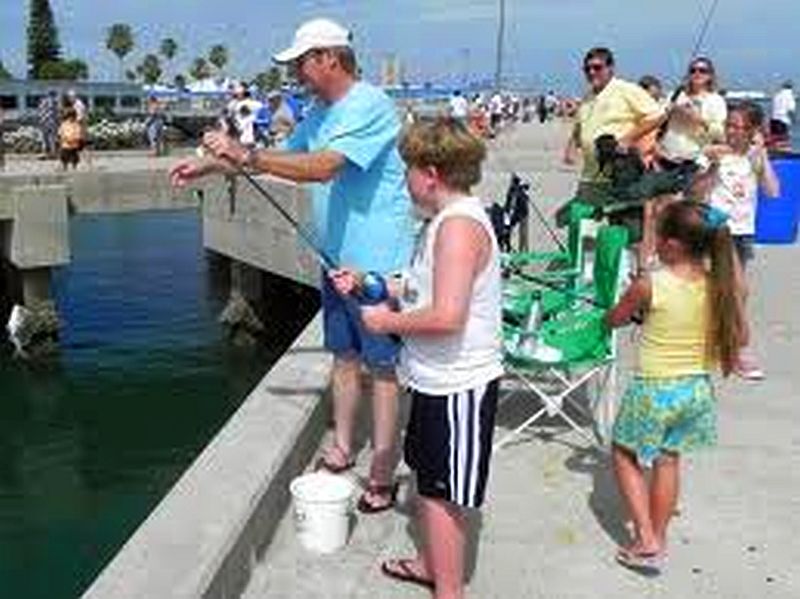 Every June for the past 24 years more than 17,000 youth have made the annual Kids Fishing Clinic at Port Canaveral one of the largest children fishing events in the state. Every June for the past 24 years more than 17,000 youth have made the annual Kids Fishing Clinic at Port Canaveral one of the largest children fishing events in the state.This year on Saturday June 23rd about 600 kids, parents, and friends are expected to be casting their lines from the docks at Canaveral's Cruise Terminal No.1 from 8:00 a.m. till noon; rain or shine. Cruise terminal No. 1 is the newest and most modern facility at Port Canaveral and is located at 9050 Discovery Place, Port Canaveral, Fl. 32920. on the south side of the port just east of Sunrise Marina and Grill's Seafood Deck and Tiki Bar. The event is sponsored by the Florida Sport Fishing Association and the Canaveral Port Authority that donates the use of the cruise ship terminal and dock. The FSFA will be placing chum bags along the docks the night before the event to boost catches of sailor's choice, lookdowns, margates, sea robins, sheepshead, small drum and flounder. Folding chairs, hats, and sun block are recommended if you plan on attending and no prizes will be awarded for catches. If you are interested in taking your kids to the clinic or need additional information, contact Griggs at eric11@cfl.rr.com. Until next time, Tight Lines and bent rods! |
|||||||
| Link One | Link Two | Link Three | Link Four | Link Five | Unsubscribe to this newsletter |