Your May 2018 Mosquito Lagoon & Indian River Fishing Report
Published: Tue, 05/01/18
| Newsletter Issue # 106 | May 1, 2018 |
||||||
Mosquito Lagoon & Indian River Fishing |
|||||||
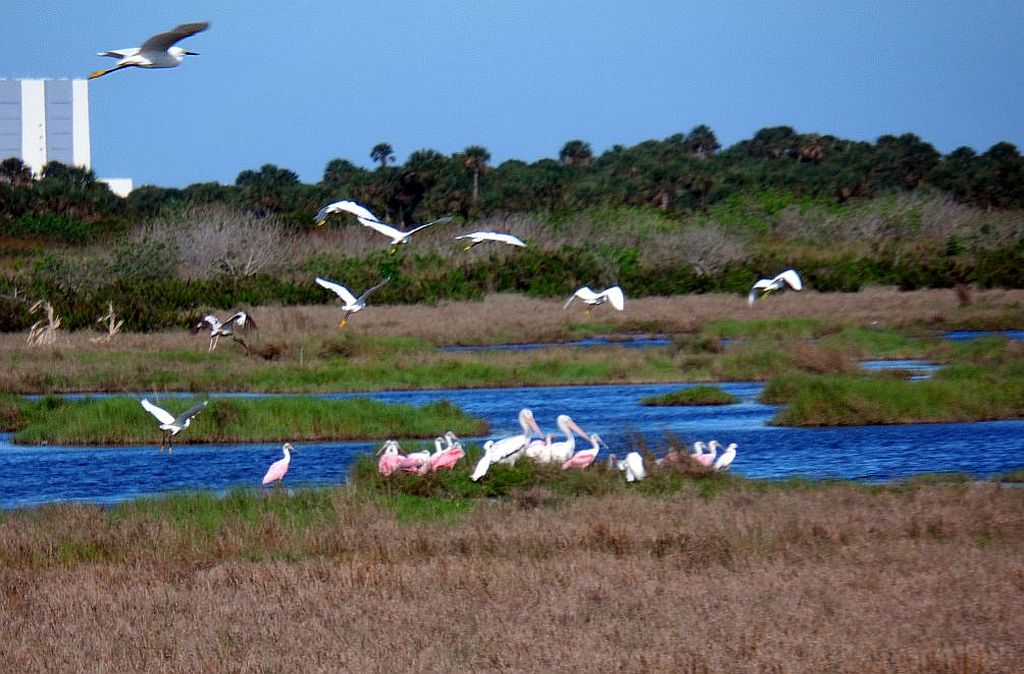 The Mosquito Lagoon and Indian River
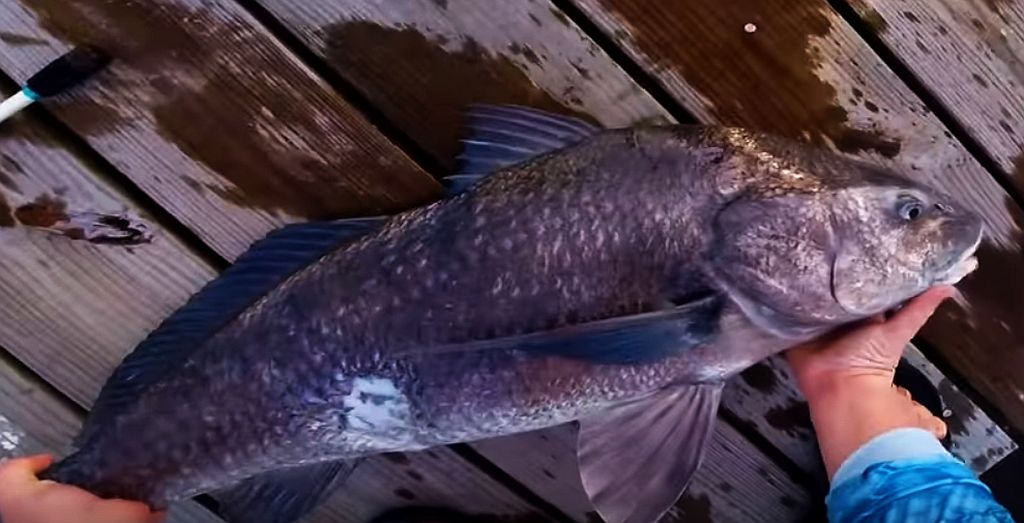
If you plan to target large black drum, gear up with 30 pound or higher test Power Pro or other braid, a length of 50 pound fluorocarbon leader on a sliding sinker rig, and a 5/0 circle hook to keep the fish from breaking off on the pilings.
Playalinda Beach During the winter months, surf fishermen at Playalinda Beach had most of the real estate to themselves, but with the annual baitfish migration commencing during April, things have started to change. 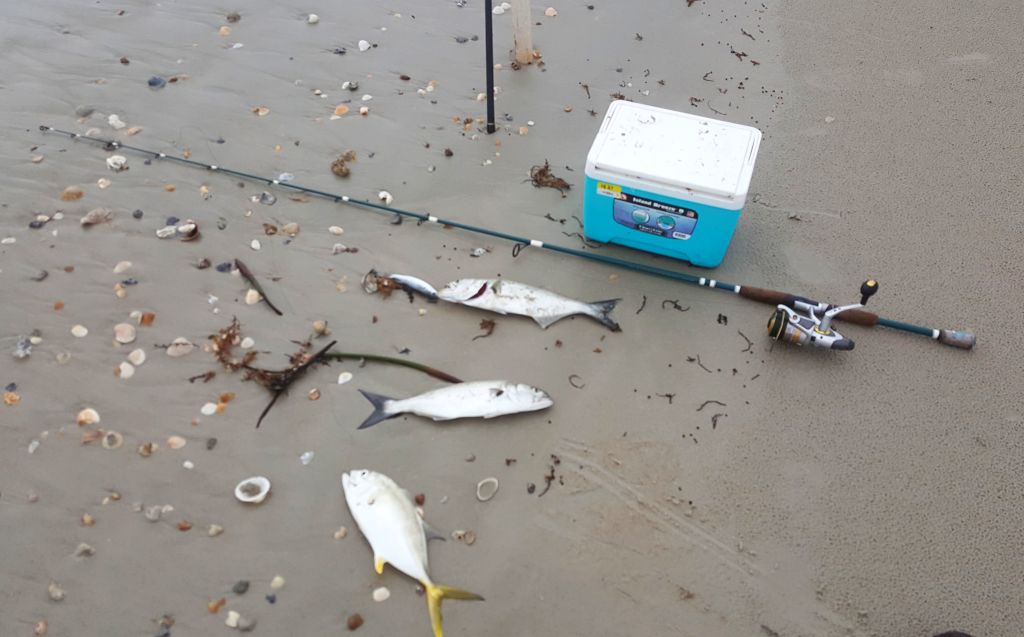 May is the beginning of our summertime fishing season for tarpon, large jack crevalle, kingfish, and sharks just off the beach, so break out your heaver gear and join the fun. May is the beginning of our summertime fishing season for tarpon, large jack crevalle, kingfish, and sharks just off the beach, so break out your heaver gear and join the fun.Right now, the Spanish mackerel have been terrorizing the bait schools off all the Space Coast’s beaches. If you're targeting Spanish Mackerel from the beach, the best time to fish is after the second or third day of consecutive offshore winds which draws the mackerel closer to shore and within casting range. Use a Clark Spoon or a small Krocodile Spoon with a number 2 wire leader to prevent cutoffs and cast into and around the schools of baitfish. In addition to the predators chasing the schools of migrating baitfish, the Pompano are still here. Around Playalionda and farther south, some nice schools of pompano are still in the surf and around the inlets. Pompano rigs with pink/white and chartreuse/white floats have been catching quality fish with sand fleas being the primary bait. Some surf fishermen also swear by fish bites in the sand flea scent in orange/white color. They stay on the hook much longer and are said to be as effective as live sand fleas on pompano and whiting. Regardless of bait, fishing about an hour after high tide has been producing the best bite in our area for pompano. In the coming weeks, the pompano will be moving on and the fishing for Snook will start heating up in our area. Look for thick schools of croakers off the beach right in the first trough, and catch a few for bait with a Croaker rig and some small pieces of shrimp. Look for any dark shadows behind or in the schools of bait fish. These shadows will be the snook holding tight, right next to the schools of bait fish close to shore. A few migratory tarpon have been chasing the bait schools about 150 yards off the beaches in south Brevard County. In the upcoming weeks, these fish will be coming closer to shore following the baitfish where surf fishermen can better target them. The best way to target the silver kings from the beach is to take a kayak or paddleboard with a sabiki rig, pick up some bait, and wait for a rolling tarpon to show up. Wait for the fish to roll and cast your bait about 20 feet or so ahead of the fish. There is no mistake when the tarpon takes your bait. If you don't want to mess with catching your own bait, try fishing with a 6" or larger bone colored Hogy Pro Tail artificial bait. Tarpon can't resist these baits for some reason. Although sporadic catches of bluefish in the 10 to 20 inch range are also being reported at Playalinda Beach, fishing the "lots" has been mostly limited to whiting, pompano, and an occasional black drum when the conditions have been favorable. Almost any tide is productive for bluefish but the larger fish usually run just outside of the second set of breakers. A live finger mullet on a 3/0 or 4/0 hook with a #2 wire leader or plastic coated steel leader on a sliding sinker rig, is all the terminal tackle you need for blues, Spanish mackerel, shark, and other toothy fish. Port Canaveral Offshore and Nearshore Offshore Offshore, dolphin fishing will be the focus of blue water anglers throughout this month. April and May are when the largest bull dolphin are taken off the Florida Space Coast, and the early season dolphin bite has already yielded some big fish. Anglers who are able to start making trips to the "otherside" for Yellowfin Tuna, Blackfin Tuna, Skipjack, big Dolphin, Blue marlin, White Marlin, Sailfish, Swordfish, 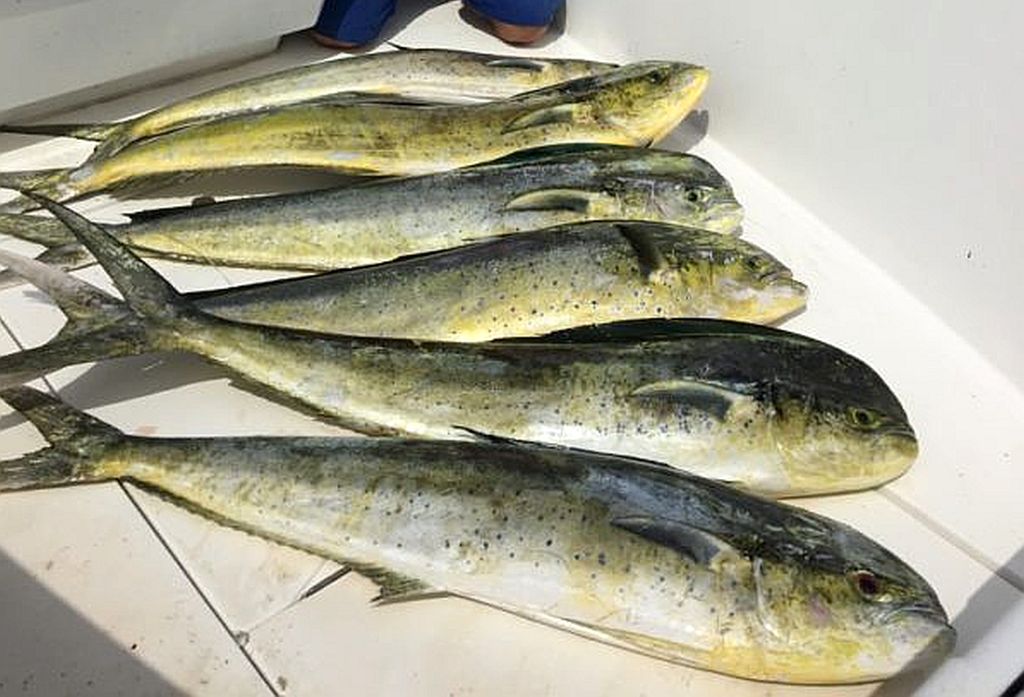 and even sharks at night this month should find weed lines with plenty of dolphin on them, and so far the boats that have already
made the crossing have been returning with good numbers of big bull Dolphin. and even sharks at night this month should find weed lines with plenty of dolphin on them, and so far the boats that have already
made the crossing have been returning with good numbers of big bull Dolphin.
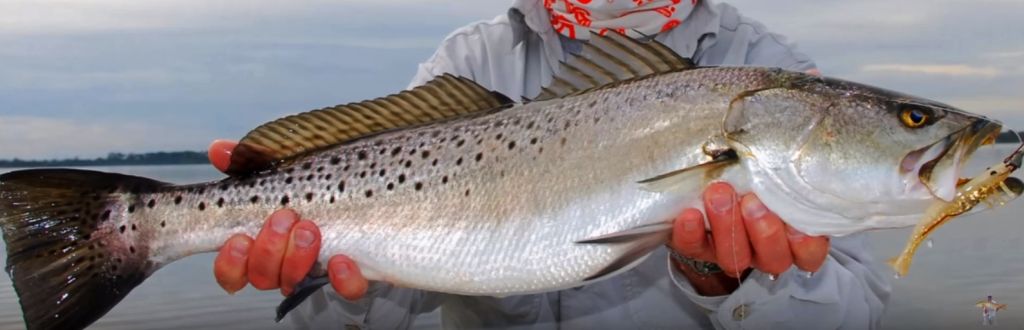
Bull dolphin are located the same way you that you search for yellowfin tuna. Follow the packs of birds diving on the schools of baitfish. Anglers fishing on the near side of the Gulf Stream have been catching a few smaller dolphin and sailfish by trolling naked chin weighted ballyhoo around the temperature breaks, weed lines, or color breaks. It always pays to check out any type of floating debris or clogged up weed lines offshore. Last week the king mackerel bite has been slow on the 70 to 90-foot reefs. Inshore Closer to shore, you can expect a mixed bag of species along the beaches. 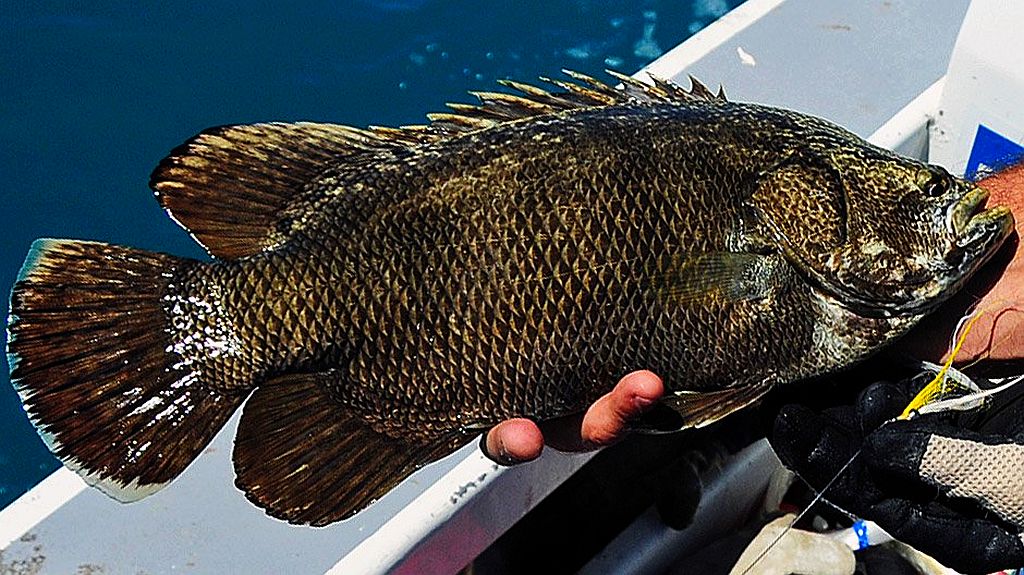 From early April throughout late summer, and again in November, the waters outside Port Canaveral is where some of the largest tripletail in the world can be caught. From early April throughout late summer, and again in November, the waters outside Port Canaveral is where some of the largest tripletail in the world can be caught. Tripletail are a cooperative near shore species that are delicious eating and on light tackle put up a great fight. Small boat anglers out of Port Canaveral target them regularly when conditions are favorable and May is a great month to fish for them. Tripletail are found outside the Port around channel marker buoys, surface debris, flotsam, weed lines, crab trap anchor lines, etc. and can be caught on a variety of baits. Live shrimp, small white or chartreuse hair jigs, plastic jigs, D.O.A. shrimp, and other small lures are all effective and will take their share of tripletail. The is one species that is tailor made for small boaters venturing out of the Port. Haulover Canal 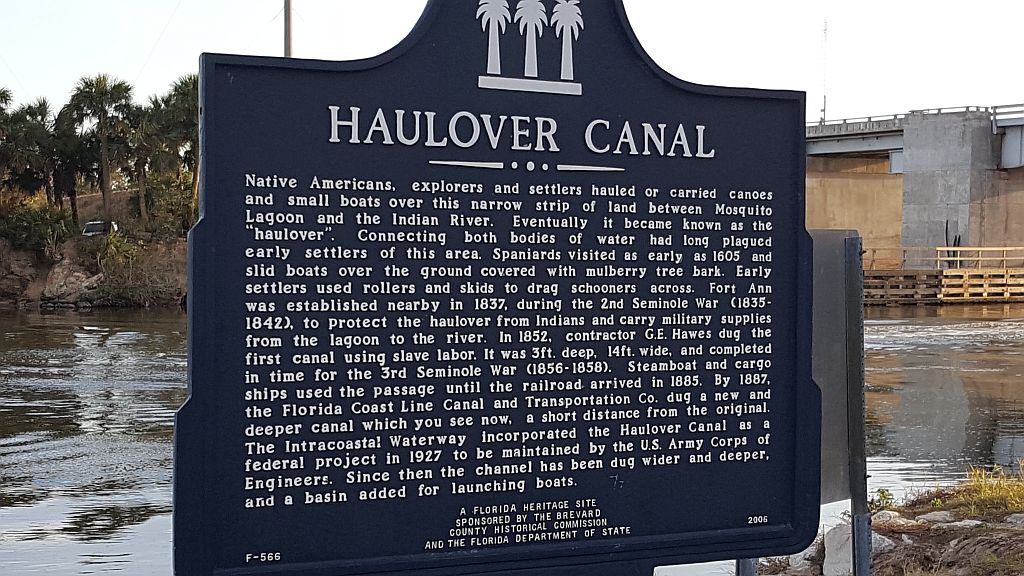 The deeper waters of Haulover Canal produce good year round fishing opportunities for Redfish, Black Drum, snook, speckled sea trout, and a variety of other predatory species. The black drum bite and redfish bite in the canal has been going strong for the past couple of months and should continue into this month. Shrimping Because of Hurricane Irma, most sport shrimpers in our area believed that that this years shrimping season would never arrive, however it just arrived much later than normal. 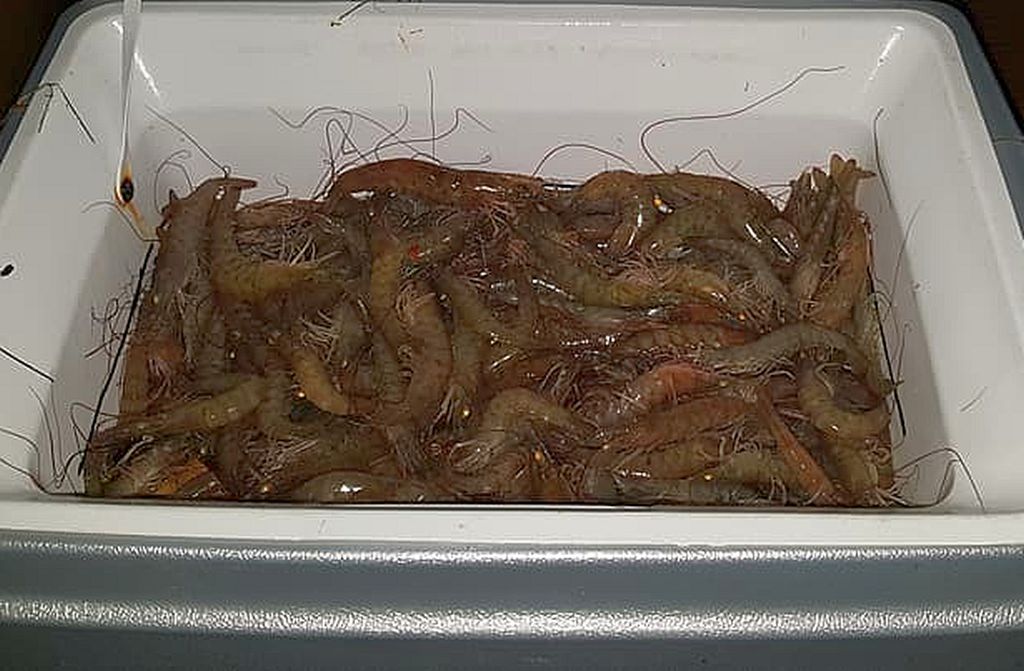 Although Titusville has completed the repairs on the North fishing pier's electrical problems and the shrimping reports from the pier have been getting better, you need to know that the shrimping in Brevard is almost always a “hit or miss” proposition. Although Titusville has completed the repairs on the North fishing pier's electrical problems and the shrimping reports from the pier have been getting better, you need to know that the shrimping in Brevard is almost always a “hit or miss” proposition.Since this past December, Brevard sport shrimping has been struggling but this March appeared to be the turning point for shrimping enthusiasts who are now reportedly making 2 and 3 gallon pulls around the Railroad Bridge when the conditions are favorable. Farther north around Oak Hill, the pulls have also been decent but the shrimp are usually smaller. Bank fishing after dark is prohibited at Haulover Canal, butt night fishing and shrimping just off of the banks from a boat can often produce some some good fish and really large jumbo shrimp. Since Irma, many sport shrimpers haven't taken advantage of Haulover's shrimping, but the shrimp are there year round. Even though they are not as plentiful, the shrimp are substantially larger than those netted farther north in the lagoon system. Until next time, Tight Lines and bent rods! |
|||||||
| Link One | Link Two | Link Three | Link Four | Link Five | Unsubscribe to this newsletter |