Your March 2013 Mosquito Lagoon & Indian River Fishing Report
Published: Fri, 03/01/13
| Newsletter Issue #43 Fishing Forecast |
March 1, 2013 | |
Mosquito Lagoon & Indian River Fishing | ||
Mosquito Lagoon & Indian River Fishing
Beginning in March, large female spotted sea trout will be fattening up for the the spring spawn.
The larger sea trout will continue to be holding in skinny water potholes.
The grass flats in the north Indian River around Scottsmoor and Mimms are one of the best places to target these "gator" trout.
There are sandy
potholes in the grass flats in this area where both redfish and sea trout can be
found seeking the sun's warmth waiting to ambush baitfish.
Closer to the end of March, as the warmer water draws schools of finger mullet back into the central Indian River Lagoon flats, the top water bite for gator sea trout will improve considerably.
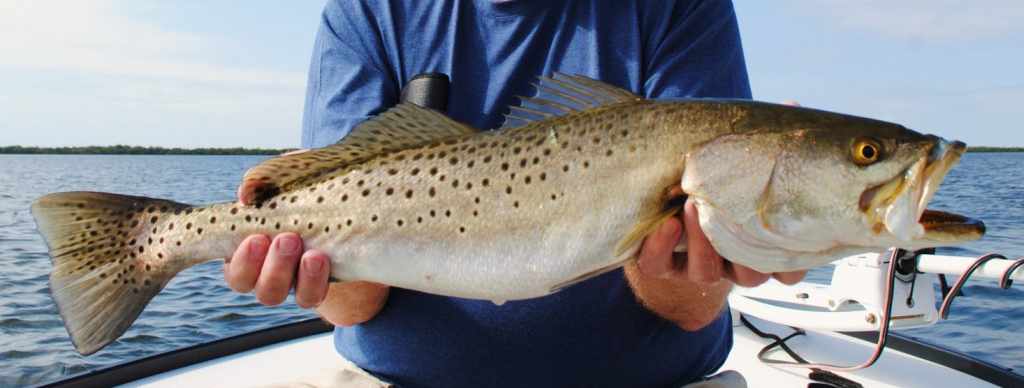 Right now the fish are hitting top water baits, but not as consistently as they will later on in the month.
When the baitfish invade both the Lagoon systems in mass, top water lures like the Zara Spook or Top Dog
will be your best bet early in the morning, during overcast conditions,
and just before dusk.
When the water temperatures starts to warm up and the mullet return to the inshore lagoon flats, it's time to start targeting redfish schools that will likely be holding in skinny water. Look for slot redfish (18 to 27 inches), around areas where mullet are flipping on the surface or jumping in water that is around 12" to 18" deep.
To find larger redfish, concentrate your efforts along the deeper edges of the flats and sandbars in 2 to 3 feet of water.
March is also when you can find some large schools of black drum in the shallow water flats of the Mosquito Lagoon, North Indian River Lagoon, and around the sandbars in the Banana River No-Motor-Zone.
Kayakers paddling the shallows of the Indian River just south of Peacocks Pocket, all the way up the East bank of the river are finding schools of black drum around the leeward sides of the islands during windy days, and March will have plenty of windy days. Jerk baits, white hair jigs, shrimp and cut bait are accounting for most of the black drum catches. Port Canaveral Near - Shore
As water temperatures increase near shore, menhaden (or pogies) will begin their migration from the deeper waters offshore into the near-shore waters, bringing the predators with them.
The number of fishable days in March will be dictated by sea conditions, especially for those of us who fish for deep water species in shallow water flats boats, however it's worth it.
Right now the Cobia are showing up offshore of Stuart and these fish should soon be soon moving into our area in greater numbers.
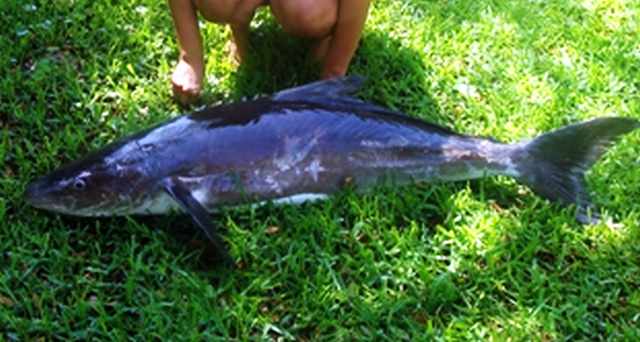 Some bait pods along with a few cobia have already begun to show up on the near shore wrecks and reefs outside of Port Canaveral and Sebastian Inlet.
When the surface temperatures hit 68 to 70 degrees, the water is clean, the seas are calm, the baitfish schools and manta rays show up, it will be time to go Cobia Hunting near shore.
It seems like a lot, but these conditions occur during the upcoming months every year.
Cobia hunting is like sight fishing for redfish on the flats.
You first have to find the fish and then sight cast to them using brightly colored buck tail jigs, large grubs, DOA Bait Busters, or live or artificial eels. The best time to sight fish for cobia is during calm seas, on a sunny day between 10 am and 4 pm, with the sun at your back.
Other near-shore options for March fishing consist of tripletail that hang around weeds and floating structure, and large redfish and sharks that shadow the bait pods near the beaches and inlets.
Tripletail are often found just outside of Port Canaveral holding around floating debris, seaweed or the bouys that
mark the shipping channel.
A free lined live shrimp, small jig, or DOA artificial shrimp will pick you one up for dinner, with a well placed cast.
During March, we occasionally get a short run of Spanish mackerel that usually move
north along the beaches, around the ocean piers and into the inlet
jetties.
The south jetty fishing pier at Port Canaveral and the north jetty pier at Sebastian Inlet are prime spots for Spanish mackerel during the run.
You can launch your boat at either Freddie Patrick Park adjacent to Sunrise Marina or at Port's End Park next to Scorpions New Port Marina.
If you don't own a boat, the Coca Beach Fishing Pier and the fishing piers in the Daytona Beach area are
also good spots to fish for Spanish mackerel when they begin their run. _________________________
St John's River It has been an excellent run this year even as it is diminishing.
The area between Lake Harney and the SR 50 Bridge has been on fire with some anglers reporting catches of over 50 shad on spinning
tackle fishing with shad darts and small spoons.
Since the last front passed,
the shad and crappie bite has slowed significantly however, as the full moon wanes things should begin to improve again and the large mouth bass and Crappie should be on the spawn.
If you like to occasionally fish freshwater as I do, March is when you want to start targeting large mouth bass in the deeper bends of the St. John's river.
At first light the schools of large mouth will be feeding on menhaden.
You will be able to find them by looking for large numbers of herons, egrets or white pelicans or other birds working the banks after the baitfish.
When you locate schooling fish, start throwing small subsurface swim baits.
Till next time,
Tight Lines To You All! | ||

| Link One | Link Two | Link Three | Link Four | Link Five | Unsubscribe to this newsletter |