Your June 2012 Mosquito Lagoon & Indian River Fishing Report
Published: Fri, 06/01/12
| Newsletter Issue # 34 Fishing Forecast |
June1, 2012 | |||||||
Mosquito Lagoon & Indian River Fishing | ||||||||
Redfish in the Mosquito Lagoon have been tearing up baits throughout the month of May. As the hot summer days of June and July set in and the little "munchkins" get out of school, fishing pressure in all the lagoons will increase and the waters will become more crowded. Pursuing redfish on the clear shallow water flats in the Indian River and Mosquito Lagoon becomes a bit more complicated but the fish are always eager to eat when they are not spooked. Fishing before daylight until about 9:00 am and late in the afternoon before dusk is the best time to wet a line for most species. The Pole and Troll zone on the eastern shore near Tiger shoals is always decent for redfish as are the areas around Dummit Cove on the Indian River and the flats near Scotsmoor. 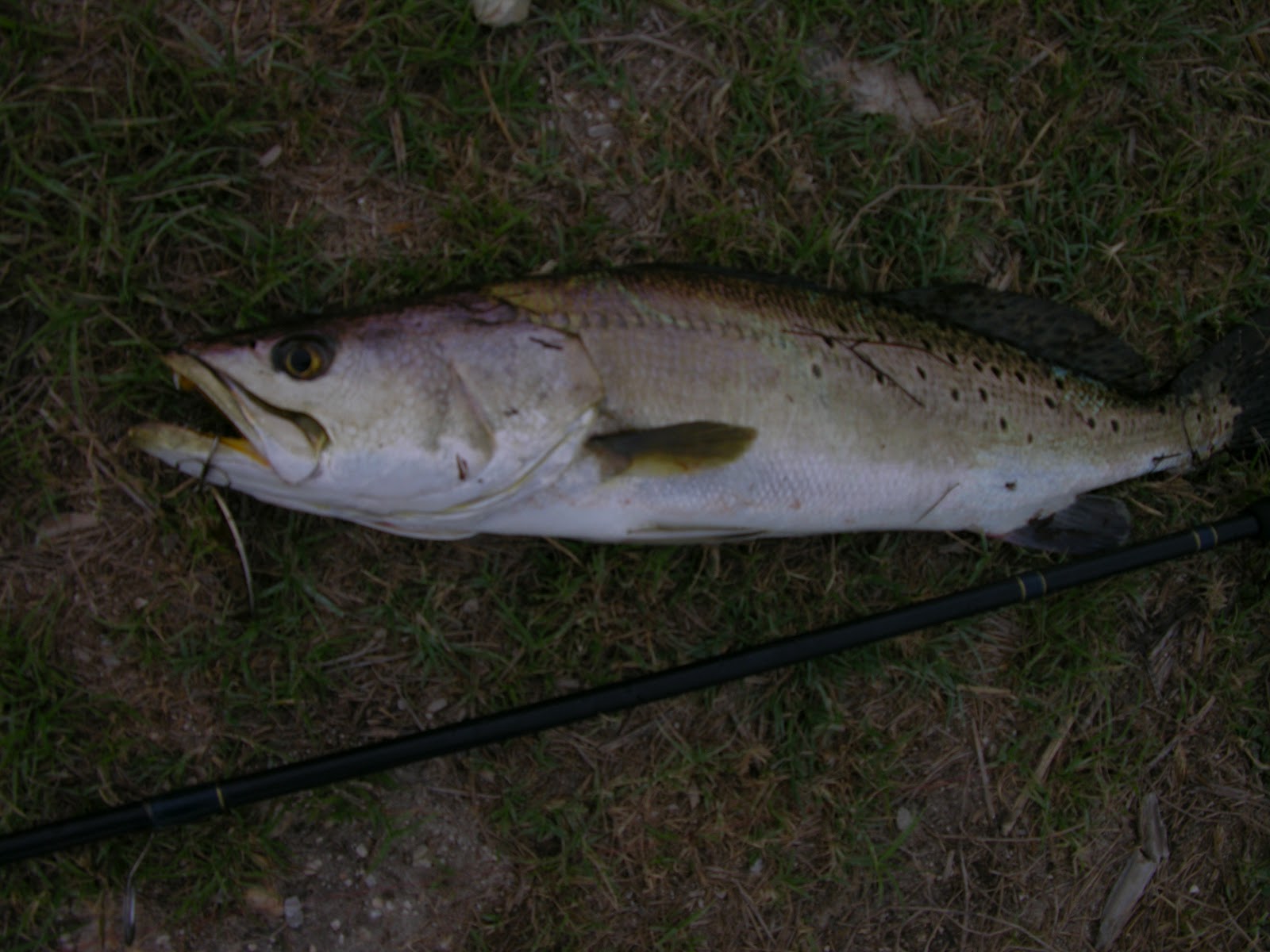 The Mosquito Lagoon and Indian River flats are still producing lots of slot size and larger sea trout that are staging around schools of finger mullet. The Mosquito Lagoon and Indian River flats are still producing lots of slot size and larger sea trout that are staging around schools of finger mullet. The eastern shoreline of the Indian River south of Titusville and north of the NASA Causeway provides prime bottom habitat conditions for gator seatrout. Look for bigger mullet feeding on the flats where there is lots of sea grass. Work the edges of the mullet pods with a skitter walk or a shad assassin jerk bait. The Cajun Croaker or Gold Pepper Shiner assassin colors were producing best this past week. Red head and pearl body, redfish or speckled trout skitter walks have been the best producers for the larger sea trout throughout the past month and should continue to be through July. Any topwater plug like the Zara Spook, SkitterWalk, MirrorLure or Chug Bug worked in a slow zig zag "walk the dog" presentation will almost always produce slamming strikes when a foraging sea trout detects it. The sea trout have been averaging 2 to 4 pounds, but fish up to 10 pounds are still being caught in both the lagoons particularly on top water baits. In the Banana River, the sea trout bite in the 1000 island area is really picking up. Fish a live finger mullet free lined near the mangrove islands and you won't be disappointed. Sebastian Inlet is always hot for snook and some tarpon are now in the river.
If you fish from a boat, the catwalk or from the jetties during June and drift a live bait with the current, you will catch snook.
Jumbo shrimp, live mullet and croaker are the preferred baits but small jigs tipped with a piece of shrimp will get you a hookup.
Outside of Sebastian Inlet, Tarpon in the 100 pound category, kingfish, dolphin, bonito, cobia and Spanish mackerel are also on the menu for June offshore fishermen.
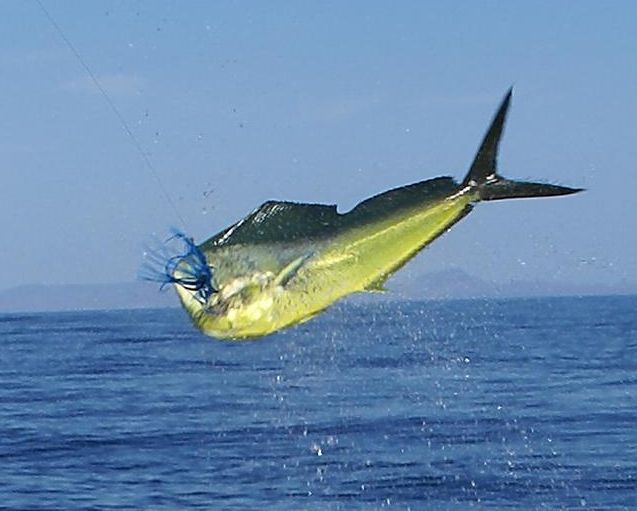 Dolphin in the 20 pound category are being taken by slow trollers using skirted ballyhoo rigs in the 250 foot depths.
Playalinda Beach & South Surf Fishing
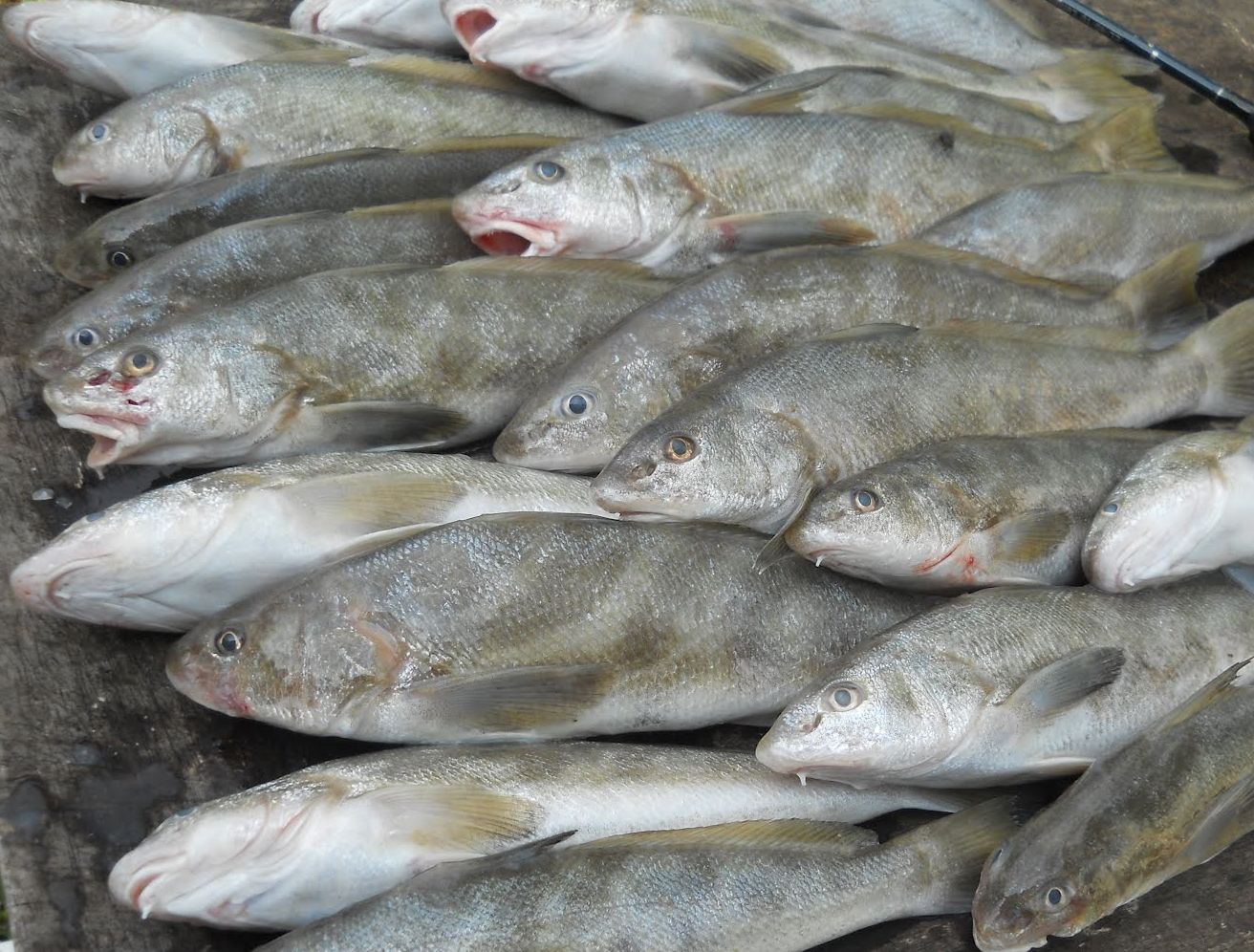 Whiting are all along the beaches in the surf and are being caught on two and three drop rigs using sand fleas, cut shrimp and cut clam. Whiting are all along the beaches in the surf and are being caught on two and three drop rigs using sand fleas, cut shrimp and cut clam.Fish the middle to end of the incoming tide for the best bite, however whiting can be caught in the surf throughout the day. If you hit the right tide early in the morning, you can expect some really great surf fishing. Most of the whiting are running 12" to 15" but don't be surprised to catch some in the 19" plus category. If you are using sand fleas, you can also pick up a by catch of pompano, which is never a bad thing! Memorial Day weekend weather has put a damper on the surf fishing but the sea trout bite makes up for it. Whiting don't put up much of a fight on a long surf rod but they are fun to catch on a 6 to 7 foot medium action spinning rod with a small barrel sinker on the main line above the swivel and a short fluorocarbon leader attached to a light #4 Octopus hook. Bait up and flip a short cast out into the first or second trough. The beaches at Playalinda at the Canaveral National Seashore and from Melbourne south to Sebastian slope relatively quickly and a light tackle outfit will get you more bites from whiting than heavy surf tackle will. The whiting are now in their pre-spawning feeding mode and are thick along the beaches in some areas. ________________________ Near Offshore Fishing
From now until early July you will be able to find good sized king mackerel within a couple miles of the beach north and south of Sebastian Inlet.
Most of the kingfish will be in the 10 to 15 pound range but 20 to 25 pounders along with an occasional 30 pounder are not uncommon. Look around the 40 foot depths near dropoffs from an outer reef. Usually the smaller kings will be near the surface chasing threadfin (Atlantic thread herring) during the morning. 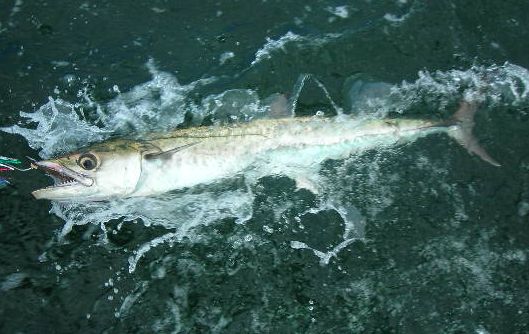 Later on in the morning and early afternoons, glass minnows come in and will attract Spanish mackerel and false albacore. These smaller predators in turn attract the larger kingfish.
Troll smaller mullet around the threadfin shcools to pick up the smaller kings. Rig an 8" to 10" live mullet on 3/0 and 5/0 Owner bait hooks with a #5 wire and attach a free swinging stinger on a separate 4" piece of wire to get more hookups from short strikers. Finding kingfish is like hunting. Marking the bait fish is key to a successful trip. ________________________
Far Offshore June is a peak month for bull dolphin off the east coast of Florida. To catch them, pull small to medium size ballyhoo with a blunt or cupped face head in front of the bait and troll at 4 to 6 knots.
These style heads push a lot of water and create lots of bubbles that get the dolphin fired up.
The head leaves a nice bubble trail in the water for the fish to track down the bait.
You can also fish ballyhoo naked with no weight and just skip it over the surface on an outrigger or you can put them on a chainn weight. Use #7 or #8 wire in case you run into a king mackerel or wahoo. Most guys in this area use 60 to 100 mono or fluorocarbon. In the Central Florida Offshore Anglers tournament they had just this past week in Port Canaveral, there were dolphin over 30 pounds being caught and in the Daytona tournament last week, dolphin up to 48 pounds were caught. The average fish generally runs from 12 to 18 pounds. 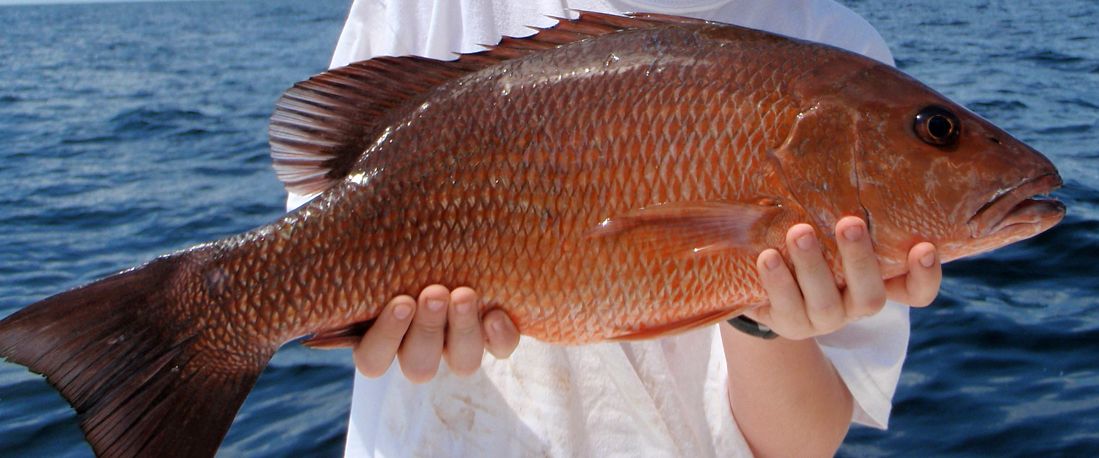 Mangrove snapper are also being caught in the 70' to 90' reefs especially in the northern part of our area near Ponce Inlet on live or cut sardines, fished on the bottom on any of the prominent structure inside the 120' mark. Mangrove snapper are also being caught in the 70' to 90' reefs especially in the northern part of our area near Ponce Inlet on live or cut sardines, fished on the bottom on any of the prominent structure inside the 120' mark.You will need to work your way past the red snapper but one of the tricks that seasoned snapper fishermen use is to chum the mangrove snapper to the surface. You can then free line little bits of sardine to them on a 20# to 30# fluorocarbon leader with a 2/0 or 3/0 hook behind the boat. The average snapper runs 2 to 4 pounds, but it's not unusual to catch them up to 7 pounds. If you don't have a boat, you can do this from one of the party boats that run out of any of the three inlets in the East Central area. May and June is also when the big boats start targeting big yellowfin tuna on the other side of the Gulf Stream.
The boats can run anywhere up to 120 miles from Port Canaveral to get a shot at these bruisers.
I love Sushi!
Till Next Month, Good Fishing & Tight Lines To You All! | ||||||||

| Link One | Link Two | Link Three | Link Four | Link Five | Unsubscribe to this newsletter |