Your November 2011 Mosquito Lagoon & Indian River Fishing Report
Published: Tue, 11/01/11
| Newsletter Issue # 27 Fishing Forecast |
November 1, 2011 | |
Mosquito Lagoon & Indian River Fishing | ||
Mosquito Lagoon & Indian River
Lagoon Fishing
Well folks, Halloween is over and fall is upon us. The water levels in both the Mosquito and Indian River Lagoons remain higher than normal and the reds are feeding in grassy areas in water less than a foot deep. Temperatures are cooling down but the water is still relatively dirty which makes sight fishing for redfish on the flats a bit more challenging. If you're still looking to catch a trophy redfish, November is the last best month to do it this year. Right now the best way to catch a "bull" breeder redfish from the schools that are still roaming the lagoons, is to stake out on the flats and fish with fresh chunks of ladyfish or cut mullet. 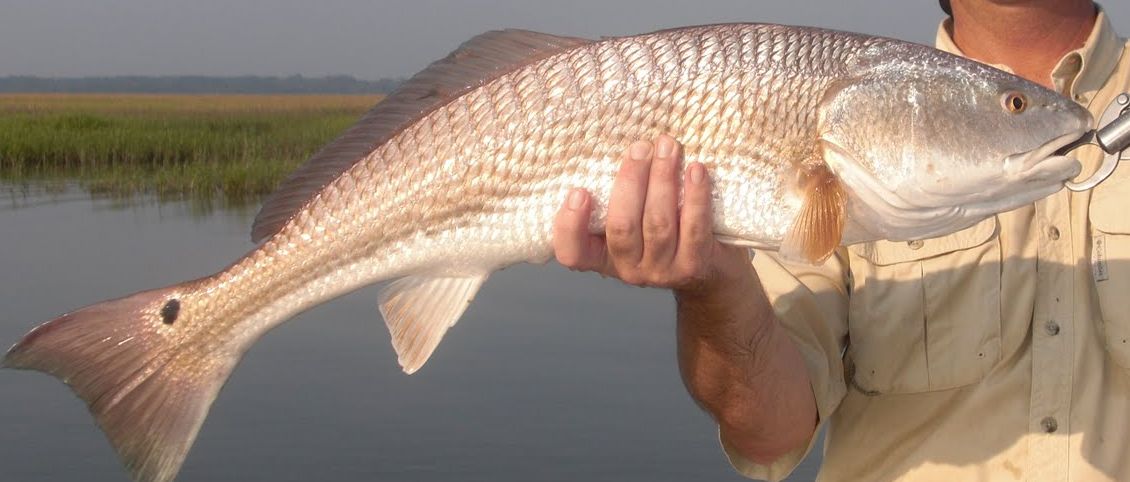 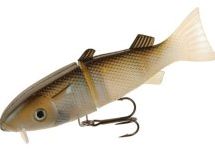 If you can spot a roaming school and approach the fish quietly, toss out a DOA Big Fish Lure or Bait Buster and you should be able to hook up with a fish. If you can spot a roaming school and approach the fish quietly, toss out a DOA Big Fish Lure or Bait Buster and you should be able to hook up with a fish. Because the breeder schools are in deeper water, when you spot them cast your bait well in front of the lead fish and crank your lure across the surface. Once a fish starts striking at the lure, don't stop cranking it until you feel the fish solidly hooked on the end of your line. As the temperatures begin to cool down and the water levels fall during November, the waters in both the lagoons will gradually become gin clear and improve the prospects for sight fishing both redfish and spotted sea trout. Spotted sea trout are out of season in our region of the state during November and December, so when you catch one, handle it carefully as you release them. Some gator trout can still be found targeting finger mullet in the shallow grass beds along with the foraging redfish. You can get to them from the bank by casting weedless spoons, top water baits or jerk baits directly into the grass and working the lure very slowly. My wife uses fresh frozen jumbo shrimp under a Cajun Thunder bobber rig and turns the tip of the hook into the body of the shrimp to make it semi weedless. The rig takes its share of redfish.  In the Merritt Island National Wildlife Refuge marsh areas, there are newly flooded grass beds everywhere loaded with big redfish and sea trout, that most anglers don't even think about fishing. In the Merritt Island National Wildlife Refuge marsh areas, there are newly flooded grass beds everywhere loaded with big redfish and sea trout, that most anglers don't even think about fishing.If you drive very slowly through Peacocks Pocket road and watch the marsh for moving grass, swirls or busting baitfish; stop and make a careful cast into the area. You will be surprised at how many big redfish are in this area. Playalinda Beach surf fishermen should find more pompano in the surf this month. 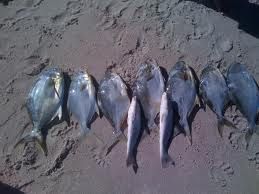 As the waters cool down the fish will move into their winter feeding habitat along the beaches along with the usual array of predatory game fish that always shadow the fall baitfish migration. As the waters cool down the fish will move into their winter feeding habitat along the beaches along with the usual array of predatory game fish that always shadow the fall baitfish migration. Surf fishermen using small diamond jigs or Gotchas will do well with Spanish Mackerel.
Use larger spoons like the Krocodile on a short single strand light wire leader or a 60# piece of fluorocarbon to catch bluefish and big jacks. The best spots along the Canaveral National Seashore at Playalinda Beach will be around parking lots. #7 thru #11.
The sloping beaches from Melbourne Beach south to Sebastian Inlet are also good fishing areas. Inlets and Near Shore
November is notorious for the howling easterly winds that occur after the first cold front of the year passes.
Near shore fishing in and around the inlets will remain outstanding until the water temperatures drop below the 70 degree mark. 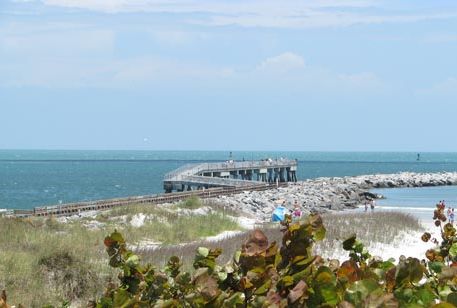 Snook fishing during low daylight periods and at night is excellent right now at Ponce, Port Canaveral and Sebastian Inlets. Snook fishing during low daylight periods and at night is excellent right now at Ponce, Port Canaveral and Sebastian Inlets.Baitfish traveling south along the beaches are forced into the jetties and piers, where the snook lie in wait for them. During the slack tides, just at the end of a high tide, the snook and other predatory gamefish take advantage of the slow currents to feed voraciously on the schools of baitfish. A productive method used by the professionals is to drift fish a live finger mullet on a sliding sinker rig through the passes to catch fish. As you drift through the passes, cast parallel to your drift with just enough weight to keep the bait in the strike zone. Adjust your weight to present a natural drift to match the current. As the current picks up, increase the size of your barrel sinker. Before you tie on your hook, thread the slip sinker onto the leader and crimp on a split shot to keep the sliding sinker away from the hook. Use small hooks for small baits and larger hooks for bigger baits. A three foot section of 30 to 40 pound test fluorocarbon leader attached to 20# test braid completes the drift rig. If you are targeting larger fish like Tarpon, beef up your rig by increasing the leader size to 60# test. As the tide starts to fall, the snook will position themselves at ambush points to finish off any remaining baitfish. In addition to catching snook; breeder Redfish, jack crevalle, bluefish, ladyfish, Spanish mackerel, sharks, and tarpon all join in on the feeding frenzy, so size your tackle accordingly. Outside of the inlets, look for diving birds, baitfish busting the surface or any other feeding activity and cast into the area. When the first serious cold front passes and the temperatures in the surf reach 68 degrees, flounder move into the inlets for their annual spawning migration out to the ocean. The smaller 1 to 3 pound gulf flounder appear first followed by the doormat sized 3 to 14 pound southern flounder. Most fishermen bank fish or anchor up to fish live baits on the bottom. Finger mullet, mud minnows or jumbo live shrimp work best. If you prefer artificial baits, drift the lagoon side of the passes with a DOA CAL bait, 3" CAL Shad tail or 1/4 oz. bucktail jig on the bottom. Vertical jigging allows you to cover more territory much faster. Pompano often congreate in schools on the lagoon side of the passes before moving out to the beaches to feed on sand fleas. This happens when the water temperatures in the lagoons cool down. November is also a good time of the year to fish for cobia and tripletail. If the water temperatures stay around 71 to 74 degrees and the seas are relatively calm, head east of of Port Canaveral and look for sargassum, rips and other flotsam pushed in by the easterly winds. The fish will be suspended underneath the structure and can be easily caught using live jumbo shrimp or jigs on light tackle. Sight fishing for cobia is best during bright light periods in calm seas. Look for Manta rays that the cobia shadow and cast bright bucktail jigs tipped with plastic eels or bright plastic worms. As long as the fish haven't been pressured too much, artificial baits work well.
You can always tie on a live baitfish or eel if all else fails.
_____________________
Offshore Fishing
The prevailing easterly winds this November will continue to push the weeds in closer to shore. Before last weeks blowing conditions, the seas were perfect and some nice wahoo and dolphin were caught around the weed lines out of Port Canaveral and Sebastian just as the water color turned deep blue. 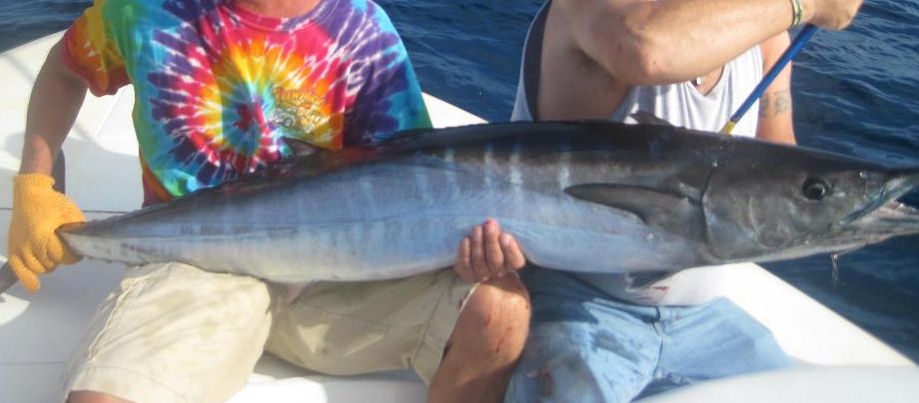 Till next time,
Tight Lines To You All! | ||
| Link One | Link Two | Link Three | Link Four | Link Five | Unsubscribe to this newsletter |