Your March 2016 Mosquito Lagoon & Indian River Fishing Report
Published: Tue, 03/01/16
| Newsletter Issue # 79 Fishing Forecast | March 1, 2016 | |
| Mosquito Lagoon & Indian River Fishing | ||
Mosquito Lagoon & Indian River Fishing
Although the last two cold fronts have cleaned up the water somewhat, the northern Indian River and Mosquito Lagoon is still dirty, when it should be crystal clear this time of the year.In addition, because the water levels in the area are still high, the redfish haven't been schooling up in their typical fashion and are spread out just about everywhere. In the Mosquito Lagoon, the water south of Georges Bar looks brown, turbid, and generally pretty horrible. Some of the spots that were clear a couple of weeks ago are now a dirty brown from the algae. Around Oak Hill You can find clean water and some good fishing in some areas. The 3″ DOA CAL Shad, the Deadly DOA Combo with a DOA or live shrimp, and cut mullet or ladyfish seem to be the baits of choice. The water in the Banana River Lagoon is also mostly dirty from the brown algae, and the fish are hard to find. The good news is that despite the fact that the fish are not as concentrated as they should normally be, the fishing is good and getting better by the day. Most of the guides I spoke with are pulling in a minimum of a half dozen redfish per trip and lots of spotted sea trout. The baits of choice have been the 3″ or 4" DOA CAL Shad, live and DOA shrimp, and cut baits. In brown, dirty water areas where water clarity is an issue, you can locate fish with a gold Johnson's Sprite spoon or a Johnson's Weedless Silver Minnow. Spoons trigger impulse strikes when other baits fail and cover a lot of water fast. They are a "go to" bait for many fishermen during dirty water conditions. As the cold fronts continue, the water should clear up and the fish will become more concentrated. This will improve the "catching" in all of the lagoons. There are lots of tailing reds out there on the shallow flats, but they are spooky and disappear if you don't make stealth approaches. The larger breeder schools are holding around the deeper edges off the flats and the sand bars and are best caught with cut ladyfish or mullet. On the cooler days, focus on the sandy pockets or potholes until the afternoon sun warms the water, and then look for tailing fish on the shallow flats. Towards the end March, the return of the silver mullet to our estuary will signal the beginning of the early morning and late evening sea trout and redfish action on top water baits. Although I've had some good days fishing top water plugs this past month, it will get much better towards the end of March. The fishing around Peacocks Pocket Road has been good on the Indian River and the salt marsh side of the road. Some nice slot redfish, black drum, and sea trout have been caught mainly on cut baits and live or fresh dead shrimp all along the Indian River side of the road. 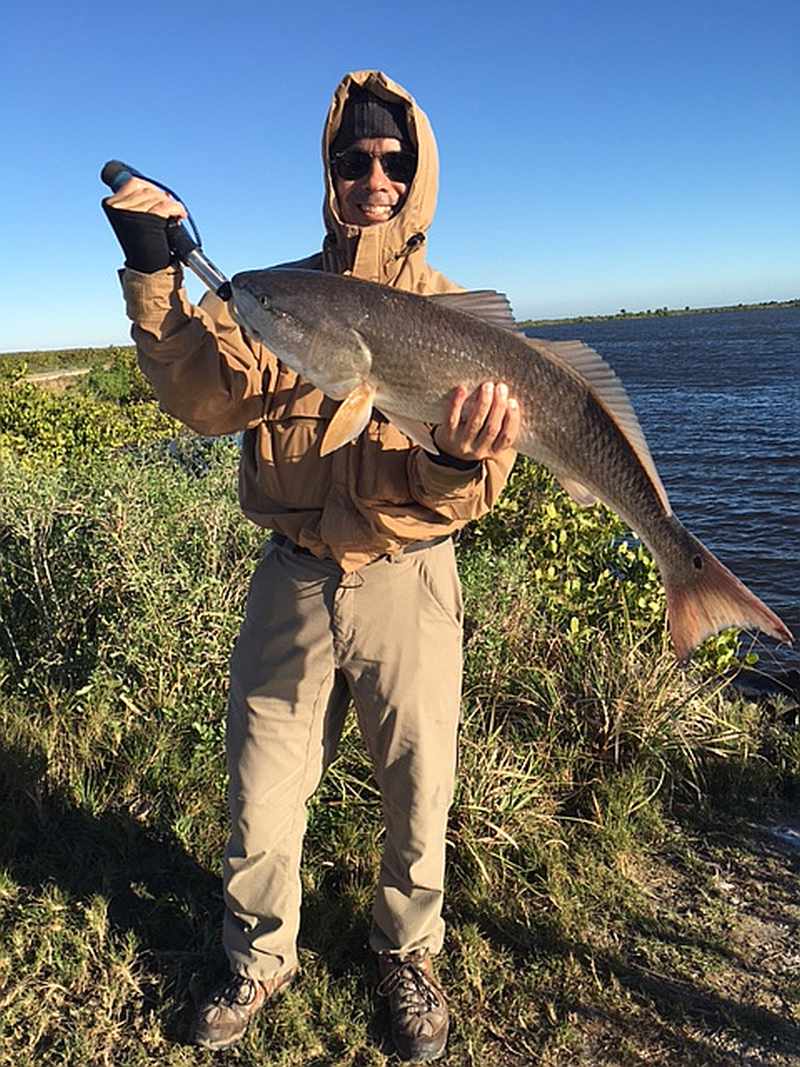 In the marsh, the sea trout bite has been good with soft paddle tail baits being the bait of choice. I've used topwater baits with some success for larger sea trout, but not much can beat a live shrimp or fresh cut bait this month until the silver mullet come into the area. When the baitfish start invading the estuary, they usually travel with or are pushed along by the strong March winds. Look for big sea trout, redfish, and snook to follow them along the lee shorelines and the leeward sides of the islands, especially when the wind has been blowing for several days in the same direction. The mullet will congregate in any area that is stopped by the wind; such as a spoil island, a bridge abutment, or a shoreline. The persistent strong winds will also push the floating sea grasses to the windward shorelines, leaving the calmer leeward waters free from floating grass. These conditions are perfect for fishing topwater, soft bodied, or suspended hard bodied lures. When the March winds make fishing artificial baits next to impossible, pick a good spot next to a sandy pothole or drop-off and drop a fresh cut mullet, ladyfish, shrimp, or piece of a blue crab on the bottom. 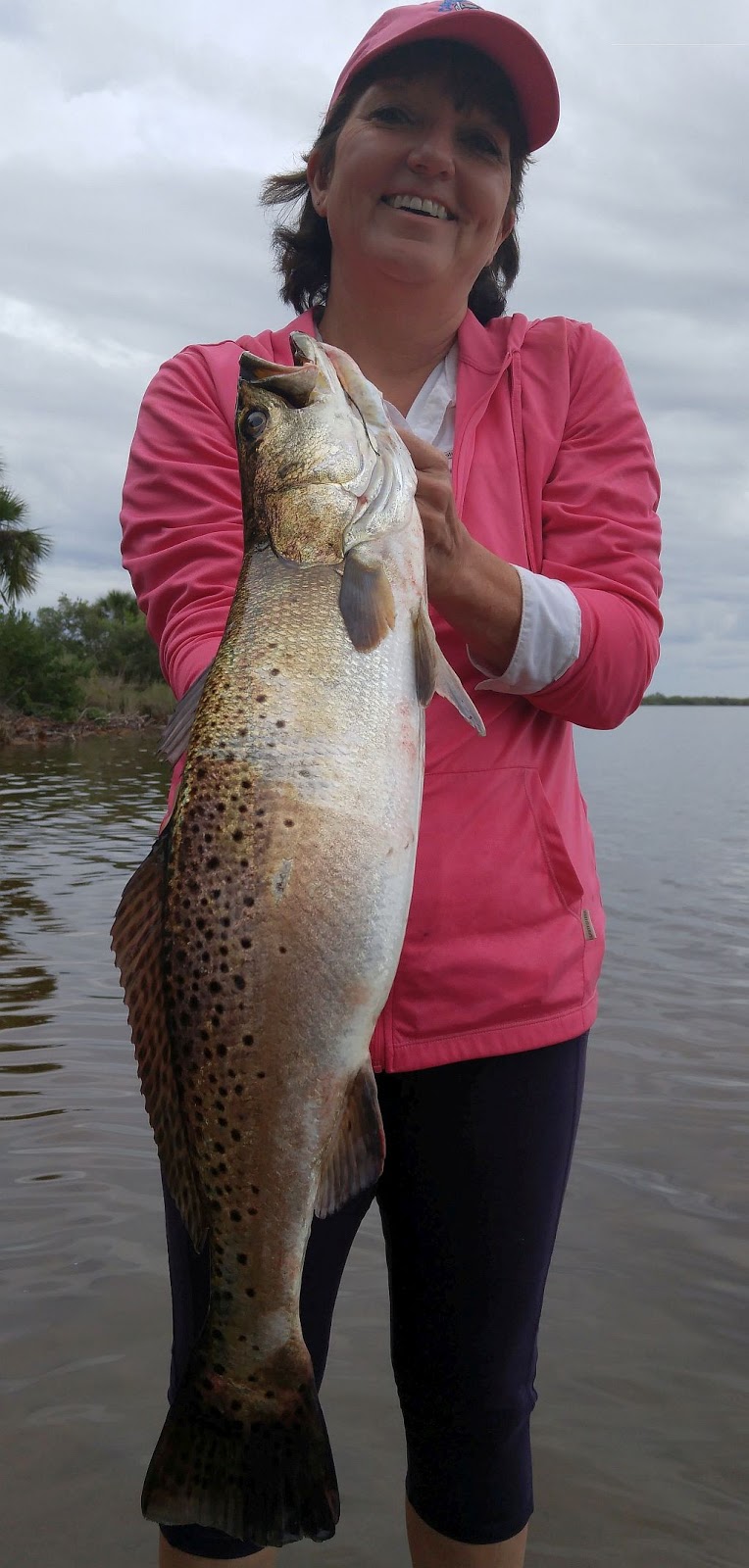 The "klinker islands" directly West of Tiger Shoals and across the ICW just north of the Beacon 42 boat ramp are good areas to fish during March. They offer
protection from the winds and you can often spot reds and sea trout foraging for shrimp, baitfish and fiddler crabs behind the islands. The "klinker islands" directly West of Tiger Shoals and across the ICW just north of the Beacon 42 boat ramp are good areas to fish during March. They offer
protection from the winds and you can often spot reds and sea trout foraging for shrimp, baitfish and fiddler crabs behind the islands.The shoreline south of Haulover Canal along Bio Lab Road towards the Whale Tail, is a good area to fish as the waters warm up towards the end of March. The grass flats there offer some nice sea trout and redfish opportunities for topwater bait wade fishermen. When the sea grass is piled up along the shoreline, use a soft paddle tail bait fished on a weighted weedless hook along the grass. Some nice fish can often be found hiding under the piled up grass in very shallow water. A Skitter Walk , Zara Spook, Chug Bug, Badonk-A-Donk The larger trout are notoriously lazy and will often hit a motionless bait. On windy mornings try fishing a weedless rigged soft plastic Z-mann paddle tail type jerk bait. Don't forget to download a free fishing permit if you plan on fishing in the Merritt Island National Wildlife Refuge. You must carry it with you in addition to your regular fishing license when in the area. The permit is required for ALL fishermen fishing from land or from a vessel in refuge waters. The fine for violating the permit requirement is $125.00. ___________________________
Port Canaveral Near - Shore When the Azaleas begin to bloom in March, it's time to look for the arrival of the Cobia migration north along our near shore waters.
The surface water temperature at Port Canaveral is currently around 62 degrees. As surface water temperatures warm to 67 or 68 degrees F., the schools of Atlantic Meenhaden and silver mullet will begin to migrate from warmer waters into our near shore waters with Cobia and other predators following closely behind. Manta rays shadowed by pods of Cobia will also be drawn closer to shore and into the shallows by the warmer surface water temperatures. Near the end of the month as the water temperatures warm up, more tripletail will be found around the buoys and surface flotsam, along with larger jack carvalle, "bull" redfish, and sharks that will be shadowing bait schools. Some Cobia have already begun to show up in our area, and once the water warms up and the seas lay down, Cobia mania will again reign around Port Canaveral. Near shore, around the middle of March in deeper waters, the spring kingfish run should begin. The smaller kings will begin to show up first, followed by the "smoker" Kingfish in the 30 to 50 pound category. During late March and into April, the smoker Kingfish will be on the near-shore reefs and wrecks like Pelican Flats and the 8A reef but as the baitfish move in closer to the beach, the big smoker kings often follow them. For years, Port Canaveral has been known as a hot spot for Cobia and big Tripletail. That's probably why they call the run "March Madness" for Cobia fishing. During March, the windy conditions we usually encounter push huge patches of Sargasso weed that arrive from across the ocean into the currents formed by the inshore shoals of Cape Canaveral. The extensive weed lines dotted with tree limbs, boards, coconuts, plastic buckets, and other miscellaneous flotsam that are created, hold a variety of fish, including the prehistoric looking Tripletail. 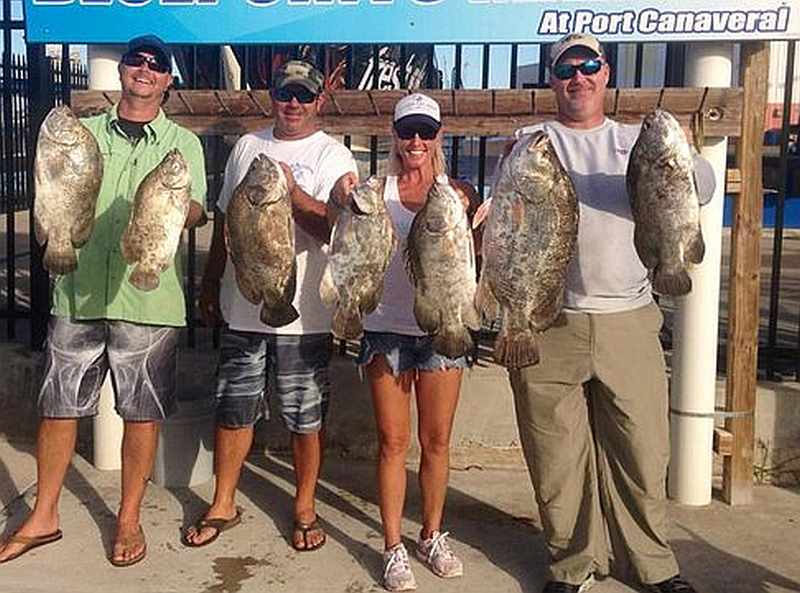 The average size for Tripletail is usually around four to eight pounds, but along Port Canaveral, Tripletail in the 20 to 30 pound range are not uncommon. These fish love to hang around the ship channel markers, crab trap lines, and flotsam just outside of the Port. Tripletail are opportunistic feeders that will pounce on a shrimp, crab, or small baitfish with abandon, but the larger fish are easily spooked and can be finicky eaters. DOA artificial shrimp, small jigs, a live free lined shrimp, or a variety of flies will usually produce a hook up. When hooked, they will immediately head for an anchor line so use appropriate tackle. Generally, 30 pound Power Pro with a fluorocarbon leader will do the job. When the weather permits, during calmer days with sunny skies, the weed lines are where sight fishermen target large Cobia in the 40 to 60 pound category. As long as the fish haven't been pressured too much, they will take bright colored hair jigs, large plastic grubs, or a jig and eel combination. The red and white hair jig is a proven stand by lure, but a Chartreuse and white, white, or lime green hair jig with a plastic worm or Gulp Eel trailer are all great choices. At Port Canaveral you can launch your boat at Freddie Patrick Park adjacent to the Sunrise Marina, or at Port's End Park next to Scorpions New Port Marina. _________________________
Playalinda Beach Surf Fishing Along the beaches, whiting, pompano, bluefish, and Spanish mackerel should remain a staple with sheepshead and black drum holding along the jetties and rock piles. Playalinda Beach surf fishing for Pompano and Whiting has been picking up during the last week of February. The Pompano bite has reportedly improved considerably and the whiting that have been caught are getting larger. Live sand fleas, fresh cut clam, and small pieces of shrimp are the best baits for Pompano and whiting.
When fishing for whiting, you will catch more fish using small pieces of peeled shrimp on a small hook than using larger pieces. Fish the deeper troughs farther out for Pompano, and the closer ones for whiting. In a perfect world, fish an incoming tide on a calm day just at the break of dawn. However, in March you probably won't get many perfect days.
St. John's River During March, the schools of largemouth bass, stripers, and sunshine bass begin their schooling activity in the St. John's River. 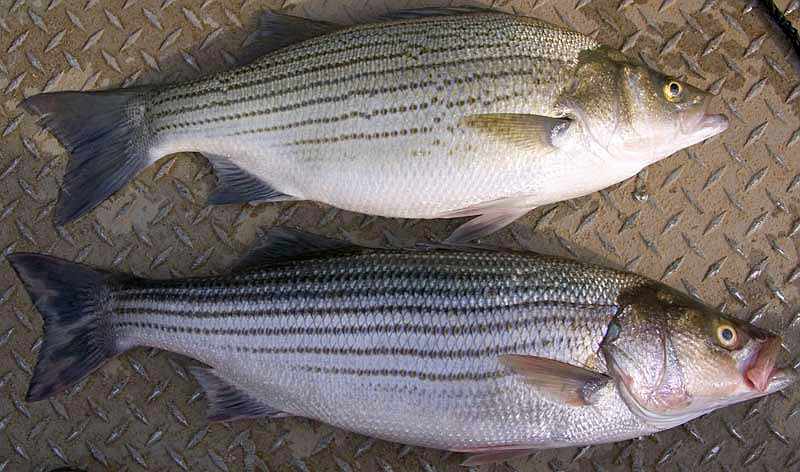 In the picture above, the Hybrid bass is on the top. The Striped bass is below. You can expect pre-spawn and post spawn fish to school up and push schools of menhaden to the surface during the early morning hours at first light. This provides some spectacular top water fishing opportunities. The American Shad run is also going strong right now, so give them a shot while they're still here. The fish are averaging two to three pounds and anglers trolling or casting small Road Runner spinner baits in the deeper bends of the river are getting the best results. Brightly colored 1/16th ounce crappie jigs with hair tails or curly plastic tails are also producing some nice fish. 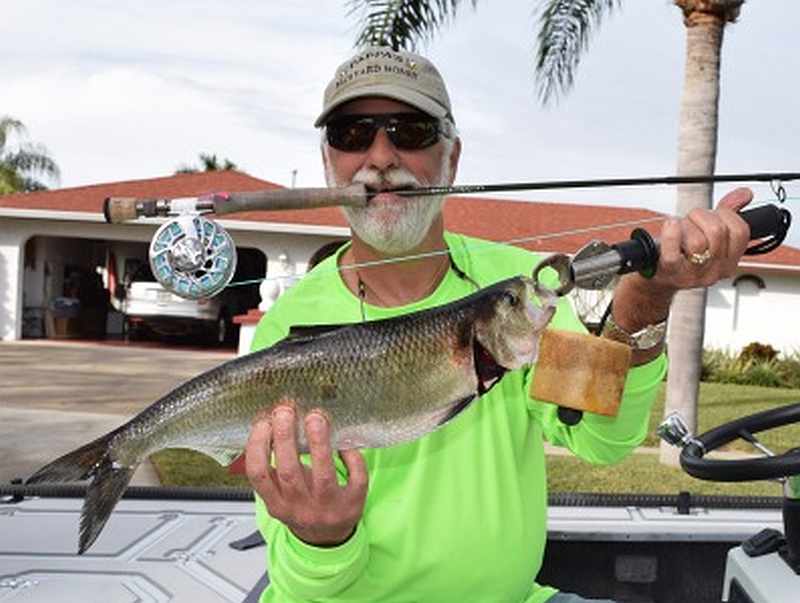 The best reports of shad landings have come from Lake Harney south to SR 528. The water is high right now and this section of the St. John's river can be dangerous if you're not familiar with the area. The high water levels have come over the banks in many areas and made the deeper channels less apparent. The black crappie fishermen in the river run and the three big lakes of Harney, Jussep, and Monroe are all reporting good catches as the crappie move up on the edges to spawn. The fish should still be in the river runs after the new moon passed after Feb 22nd spawn.  Stripers and good numbers of sunshine bass have been feeding in the same areas of the American shad, so be prepared to tie into one of these speedsters while you're shad fishing. If you enjoy fishing for big catfish, the channel catfish have been moving out of the big lakes into the creeks and river channels, following the rising water levels and increased currents. They are holding in the deeper bends of the river and are being caught with freshly cut bait or shrimp. Expect to hook up with fish in excess of 20 pounds or more so choose your tackle accordingly. Till next time, Tight Lines To You All! |
||
| Link One | Link Two | Link Three | Link Four | Link Five | Unsubscribe to this newsletter |