Your January 2016 Mosquito Lagoon & Indian River Fishing Forecast
Published: Fri, 01/01/16
| Newsletter Issue # 77 Fishing Forecast January 1, 2016 | ||||||||
Mosquito Lagoon & Indian River Fishing |
||||||||
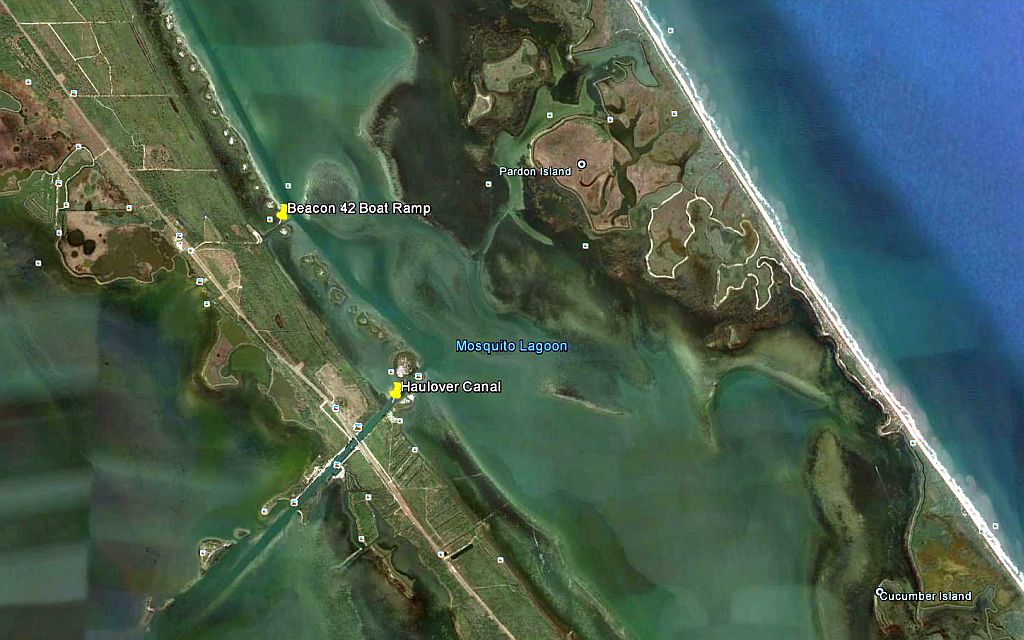
osquito Lagoon & Indian River Happy New Year Everybody! January is typically a windy month, and this year will probably be no exception if our recent weather patterns are any insight to the coming month. We might have one or two days a week that is calmer, but for the most part, expect most days in January to be windy. January has also traditionally been a cold month around the Space Coast. Hopefully, 2016 will give us another mild winter so we won’t have to worry too much about colder water temperatures when fishing. So far this year, the water temperatures have been extremely mild. In December, most of us had good results fishing the warmer, deep sandy pot holes on the Mosquito Lagoon flats. Targeting potholes with live shrimp, jerk baits, DOA type shrimp imitations and shrimp or crab flies should be productive for sea trout and an occasional redfish throughout the upcoming months. The water is still pretty dirty in many parts of the Mosquito Lagoon which makes sight casting difficult. The middle area around Pardon Island, directly across from Haulover Canal, down to Turtle Pen, has been productive for redfish with most fishermen casting into the potholes using chunk baits with a weight, or a live mullet with the tail cut off. The sea trout bite from Tiger Shoal north to around George's Bar, and behind the clinker islands has been really good. The baits of choice for these areas has been a 4" Saltwater Assassin Shrimp or a 4" Sea Shad in the Drunk Monkey, Mudbug, or Shrimp colors. The Bass Assassin, Saltwater Elite Shiner/Mama's 14K or any paddle tail with a light underbelly and a dark back on a weedless jig head has also been producing some really nice sea trout in these areas. The Tiger Shoals area near the middle of the Mosquito Lagoon, and Whale Tail to the south, is always fished pretty hard by the guides but the redfish schools are there, and both areas should be considered during the upcoming month. The sea trout bite has been good along the drop offs in the Northern end of the Indian River for the past couple of weeks. Fishermen using jigs and artificial baits around the deeper sections (in 2 to 3 1/2 feet of water) that still have some sea grass, are where the sea trout have been congregating in larger numbers. South of our area on the Indian River, the docks, rocky areas, and mangrove shorelines are where the redfish and sea trout have been staging. On the Banana River side, the Indian River side, the Coco Beach side, from Rockledge, Satellite Beach and all the way down past EuGalle down to Sebastian, the fish seem to be structure oriented around the docks, rocks, and overhanging mangrove roots. The guides down south have also been catching some sheepshead, snook, and mangrove snapper along with the sea trout and reds, by casting live shrimp underneath the mangroves and fishing the undercut banks. Closer to Sebastian, the areas around Honest John's Canal and Long Point have been producing good numbers of fish. 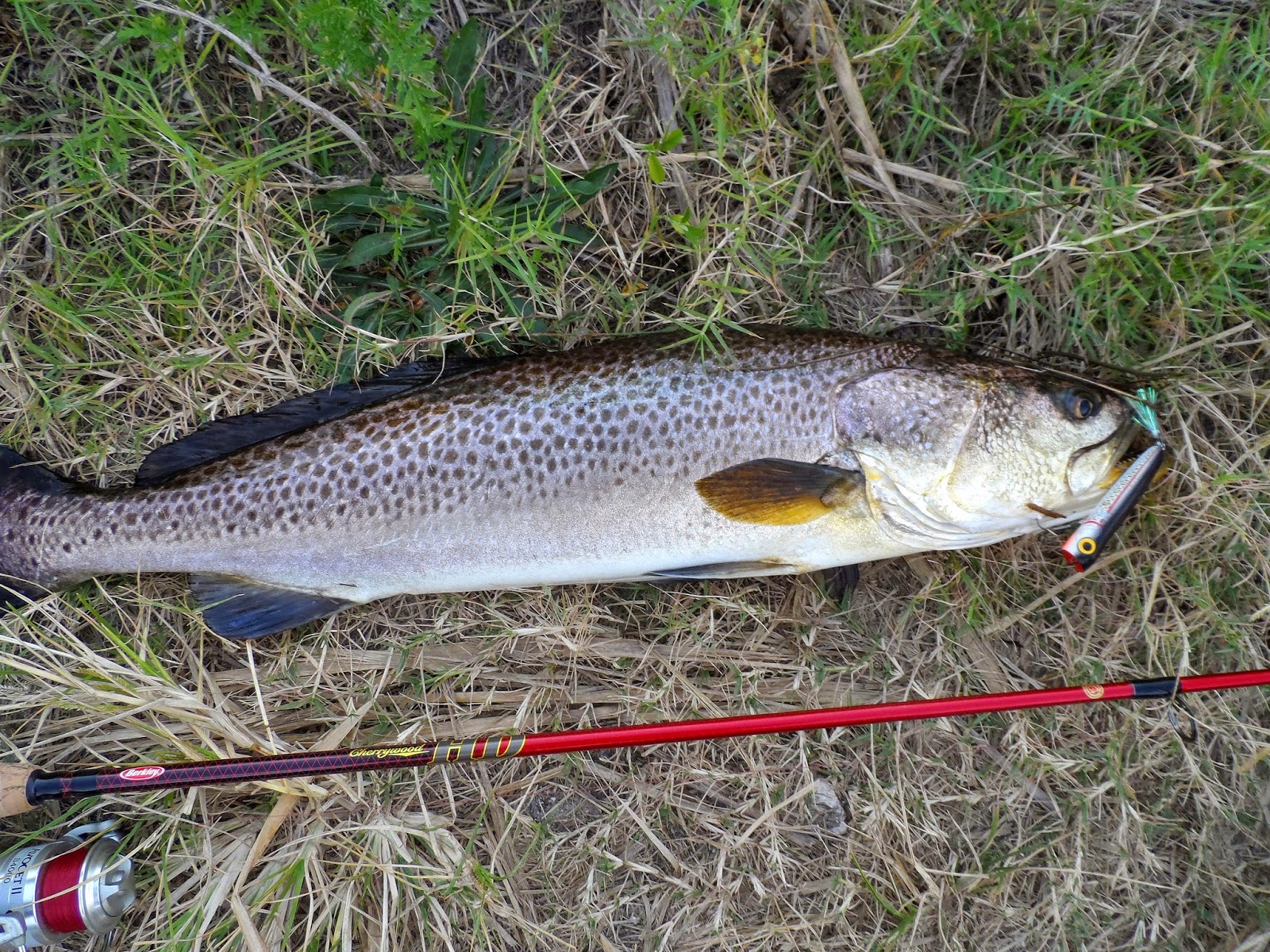 Contrary to the understanding of many people, the miserable fishing conditions that are caused by the winter cold fronts, can bring great trout fishing opportunities to hardy fishermen on the East Central Florida flats. The cold weather concentrates the sea trout into the deeper holes where they are much easier to locate and target. Fishing in deeper water and working your lures or baits much slower will normally give you better results on most winter days. The fish become lethargic in cold water and are slow in moving to strike at lures. Sometimes the trick to finding fish and having a successful day of fishing is just locating water a couple degrees warmer than in the surrounding areas. A lot of fishing guides in our area are counting on the so called "Global Warming" effect to not affect our trout fishing this year, and are actually looking forward to the waves of cold fronts to kick off some great spotted sea trout fishing in Central Florida. When the weather does get substantially colder and the water temperatures cool down, many of our local guides report catches of anywhere from 30 to over 50 fish on a regular basis. During 2015, tons of spotted sea trout in the 25” to 30” range were caught on CAL jerk baits and "Deadly Combos", jigs, top water baits, spoons, and various live baits. We should expect 2016 to be another good year for trout. Although Redfish and Spotted Sea Trout are the primary targets for January fishing, black drum, Snook, sheepshead, and flounder are also in the mix, especially around the bridges in deeper water. Some of the bank fishermen along the North Indian River along the causeway, and around the Catfish Creek area, have been catching oversize and slot size redfish on cut baits, live finger mullet, mud minnows, and live or fresh dead shrimp. Some slot size black drum have also been caught in the East Gator Creek and Catfish Creek areas on small live or fresh dead shrimp. Some kayakers are reporting that small schools of Black Drum are holding around the islands and closer towards shore in the Peacocks Pocket area. The bait of choice for Black Drum is a live or peeled dead shrimp fished right on the bottom. A jig head with a peeled shrimp, a Zmann jerkbait smeared with some Pro-Cure, a white hair jig, or a small cut bait will also work for black drum, but shrimp is definitely the "go to" bait during the winter months. Canals, protected shallow bays, and sunny shorelines are excellent areas to find both trout and reds soaking up the suns warmth and sucking up some sluggish baitfish and crustaceans. - See more at: http://floridasportfishing.com/inshore-break/#sthash.x0U2ZRkl.dpuf
Canals, protected shallow bays, and sunny shorelines are excellent areas to find both trout and reds soaking up the suns warmth and sucking up some sluggish baitfish and crustaceans. - See more at: http://floridasportfishing.com/inshore-break/#sthash.x0U2ZRkl.dpu
As the water cools down this month, the fish in the Indian River will start moving into the shallower flats over darker bottom. These darker bottom areas are always a few degrees warmer than the surrounding water and tend to draw in fish. The sunny shorelines, shallower bays, and deeper canals are usually good areas to target. ___________________________
Playalinda Beach
Hopefully, Playalinda Beach surf fishing will be picking up this month if the cold fronts ever start moving through our area. So far, news of a good Pompano bite has not been the subject of discussion among surf fishermen.
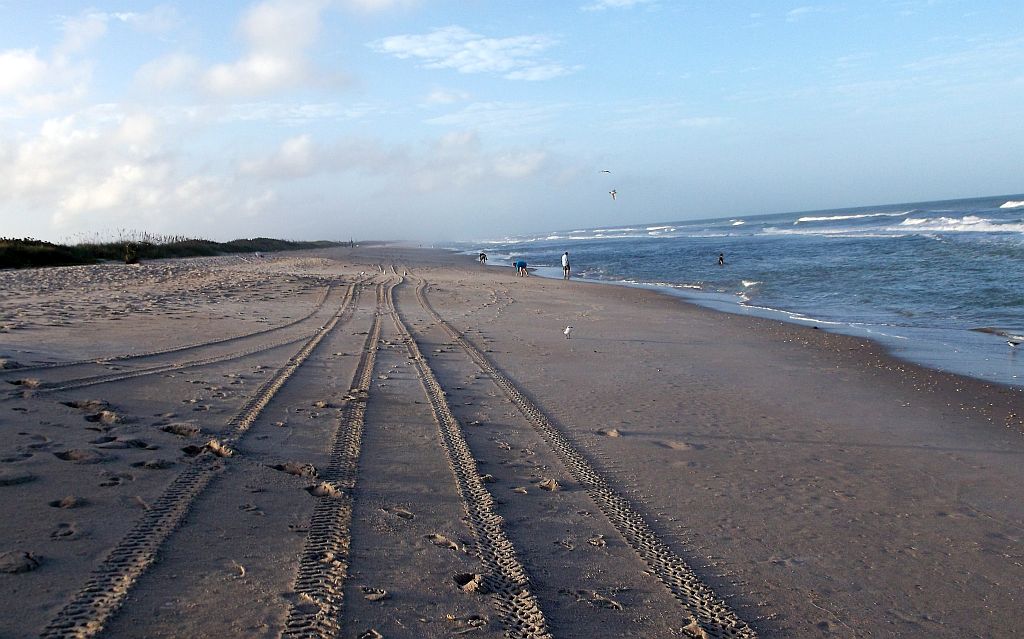 The cooler mornings and Northeast winds we had last month along our beaches made surf fishing a challenge, but until the bite heats up, Playalinda Beach surf fishermen will for the most part have the entire beach to themselves.
During November and December, surf fishermen from Playalinda Beach to Sebastian Inlet were reporting nice catches of Bluefish in the 14 to 20 inch category, ladyfish up to 24 inches, Spanish mackerel, Snook, and an occasional slot redfish. Unfortunately, the whiting, black drum, and pompano have not yet shown up in large numbers along our beaches. Most successful Pompano fishermen use live sand fleas or fresh clams for bait. You can use frozen sand fleas or clams, but it's important to completely thaw them out before putting them on your hook. Hooking a frozen sand flea will break the shell and it will not stay on the hook. In fact, trying to put a hook through any frozen bait is like trying to stick an ice cube with an ice pick. It will not stay on the hook long. When fishing for whiting, drum, bluefish or ladyfish, it's better to use frozen shrimp or mullet for bait. When the weather cools down this month, the Pompano fishing should improve considerably. When this happens, try to hit the beach early in the morning preferably just after a low tide and toss your baits into the deeper troughs between the sandbars. Pompano are member of the jack family and although they are capable of growing as large as 8 pounds, most fish caught in the surf will weigh between 2 and 4 pounds. _____________________________
Port Canaveral Offshore and Nearshore
Offshore 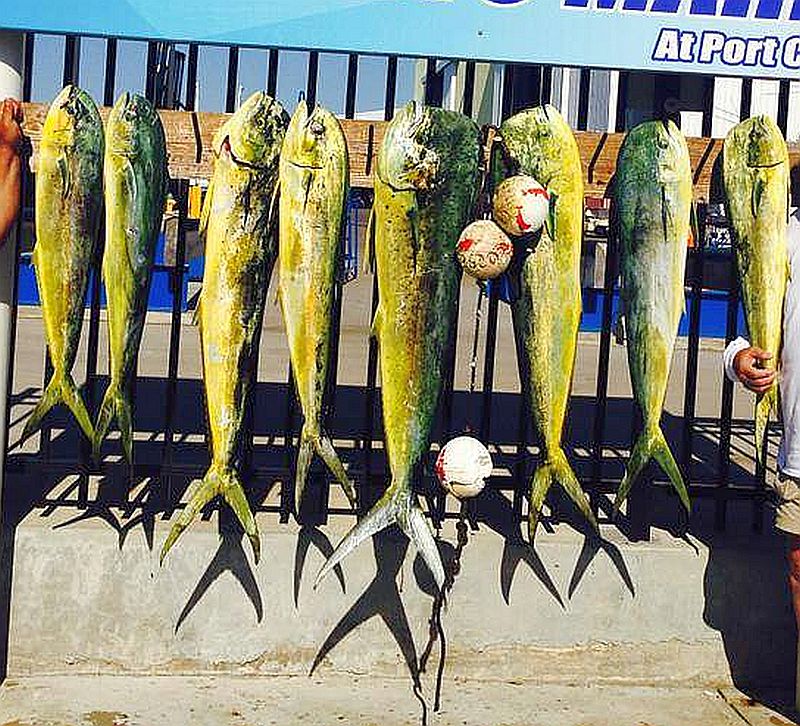 Offshore of Port Canaveral, the Dolphin and sailfish bite has been decent on the clean blue water edge and temperature breaks located near the weather buoy this week. Offshore of Port Canaveral, the Dolphin and sailfish bite has been decent on the clean blue water edge and temperature breaks located near the weather buoy this week.Offshore fishermen slow trolling the reefs this January should be getting their share of king mackerel as well as a few sailfish. Several of the charter captains out of the Port have already reported good trips while dragging live baits or skirted ballyhoo in the 110 to 240-foot depths. Slow trolling dead sardines on a wire stinger rig has been producing some decent king mackerel action along the 8A reef, and as long as the water temperatures offshore remain in the low 70's, we can expect to see a lot of King Mackerel in the fish boxes. Wahoo up to the 40 pound range and decent numbers of blackfin tuna have also been caught offshore this past month and as long as water temperatures stay in the low 70s, the fishing should continue throughout the month. If trolling is your bag, start inshore near the kingfish fleet and head offshore, but be prepared to go through a lot of ballyhoo baits. You'll get more action and larger fish by fishing live baits. Inshore Some tripletail are beginning to show up around the Canaveral bight area these past few weeks, so start looking for floating weeds or any other floating debris to target these fish. A live shrimp, finger mullet, pilchard, DOA Shrimp, or a well placed fly are all good offerings when you spot one of these tasty fish. Scattered throughout the Port basins and around the jetties, mangrove snapper, bluefish, flounder, snook, and jacks are being caught in decent numbers. Fishing with live baits during the upper stages of the tide is the best way to catch these fish. Live finger mullet, mud minnows, pilchards, and shrimp will all produce. ___________________________
SEBASTIAN INLET
Offshore
Outside of the 100 foot depths, far offshore anglers have been pulling skirted ballyhoo for dolphin, wahoo, and sailfish with good results. Around the reef structures in the 65 to 90 foot depths , the King Mackerel have been biting on live or frozen pilchards, sardines, and mullet. Some Cobia are also being caught in these depths around structure. Inshore Sebastian Inlet South Jetty
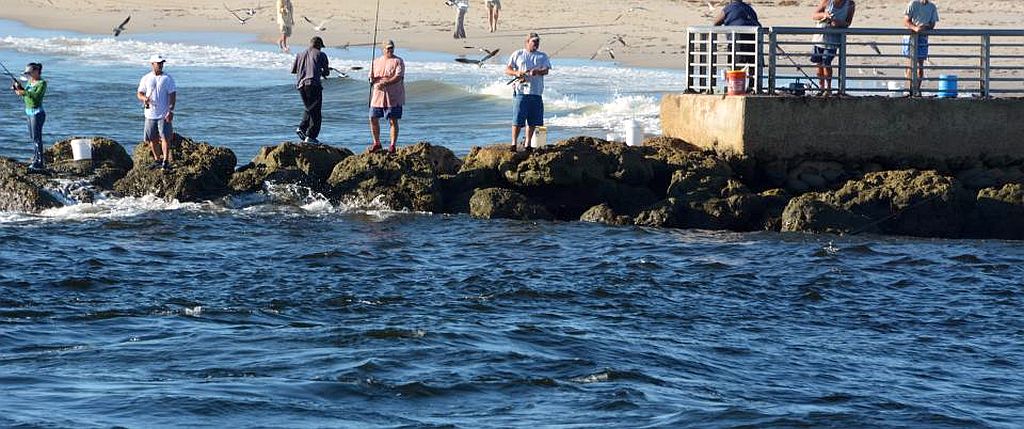 The inshore guides have been reporting good bites of bluefish, ladyfish, jacks, and sea trout in the Indian River by anglers using paddle tail baits and small plastic jig tails. The cleaner water areas have been producing greater numbers of fish and the cold snaps that are expected during this month should improve the catches of flounder in the river as well as inside the inlet. Although some guys use hair jigs or jerkbaits dragged along the bottom with some success, most flounder fishermen opt for live mud minnows or finger mullet on either a knocker rig, a short sliding sinker rig, or a hookup jig head. Regardless of what method you use, Sebastian produces some very nice size flounder that remain in and around the Inlet after the migration throughout the winter months. Bluefish, jacks, pompano, Spanish mackerel, oversize bull redfish, and black drum are always on the menu at Sebastian and will keep jetty anglers busy throughout the day.
If you don't mind fishing around a crowd, the Inlet can be the place for some great winter fishing.
Haulover Canal The fishing in Haulover Canal is always good for bull Redfish and big Black Drum, and this month is no exception.  You can usually find some species of fish cruising through the deeper waters in the canal between the North Indian River and the Mosquito Lagoon. You can usually find some species of fish cruising through the deeper waters in the canal between the North Indian River and the Mosquito Lagoon. Fish the mouth of the canal in the direction that the current is moving and keep your bait on the bottom or just off the bottom.
The best bait for big Redfish and Black Drum is a live blue crab split in half, with the top and all its legs removed.
Skewer the crab onto a 5/0 to 7/0 hook with a four foot length of 40 pound fluorocarbon leader with 60# Power Pro or other braid as the main line to keep the fish off of the coquina rock outcroppings. Jumbo shrimp, large cut baits, or a live pinfish or croaker on a 5/0 or 6/0 hook are good alternate baits during the winter but nothing beats the attraction of a freshly killed blue crab.
Try fishing the canal at night from a boat to catch some some really big fish. Fishing from the bank is not allowed at night. If we get some cold weather conditions this month, the shrimping will also ramp up in the canal. You can expect to see sport shrimpers anchoring and setting up their lighting arrays along the banks starting at dusk.
According to the "old timers", when the weather cools down, the shrimping supposedly gets better, so January should be a good month to dust off your shrimping lights and dip nets. Until next time,
Hope you all have a Happy New Year, Tight Lines and bent rods!
|
||||||||

| Link One | Link Two | Link Three | Link Four | Link Five | Unsubscribe to this newsletter |