Your December 2015 Mosquito Lagoon & Indian River Fishing Forecast
Published: Tue, 12/01/15
| Newsletter Issue # 76 Fishing Forecast | December 1, 2015 | |||||||
Mosquito Lagoon & Indian River Fishing |
||||||||
osquito Lagoon Well folks, Thanksgiving is over and although we had some colder weather move into our area just before Thanksgiving, it looks like we might be going to have a late winter.
Last month when the fall mullet run was at its peak, the redfish, sea trout and snook were biting like there was no tomorrow. If the windy conditions we have been experiencing ease up, we should enjoy some of the great sight fishing during December that we are known for. Last week the winds were running at 15 to 20 knots on most days and freshly cut chunks of mullet or ladyfish were the only baits that were consistently producing fish. With clean water and decent sight fishing conditions, soft plastic jerk baits like Saltwater Assassin's 5-inch model smeared up with some Pro-Cure can be a reliable fish producer. The water clarity in the southern portion of the Mosquito Lagoon had improved enough to sight fish the sea trout and redfish prowling the flats, but the windy conditions we been experiencing may have dirtied up the water. Black drum and redfish have been actively feeding on shrimp and crabs in the shallower flats. You can catch redfish on shrimp, crab, live or chunked up finger mullet but when you spot their tails wagging above the surface, you can bet that the fish are actively feeding on the bottom on crabs, shrimp, marine worms, or clams. A well placed cast with a live shrimp on a light 3/0 or 4/0 circle hook with light line and a large split shot for weight is a good way to catch these fish. Tossing a Gulp Shrimp, Live Target shrimp, or a DOA, smeared with some Pro-Cure As December rolls along and the north winds continue to blow down from Canada and make our water temperatures colder, the redfish will begin to school up and become more concentrated. The water levels in all our the lagoons are high right now, which is normal for this time of the year, but during major weather changes (rapidly cooling water and heavy accumulations of rainfall) the fish get into their feeding mode and the bite can sometimes reach epic proportions. When the weather permits, slowly work the flats and look for tailing or cruising fish in the shallow waters along the drop offs. Fishermen using live mullet and fresh cut baits in the areas around Cucumber Island have been catching redfish in the deeper pockets but the gin clear water that East Central Florida is famous for in the Northern part of the Lagoon around the George's Bar and the Slippery Creek area, is dirty from the winds and harder to sight fish.
Some of the local guides have been reporting redfish, snook and sea trout being caught, but nothing in great numbers. The Merritt Island National Wildlife Refuge is closed for the waterfowl season from Nov. 1st to Feb. 15th but you can still walk or bike in the area. Water levels in the marsh have been extremely high and the both the black drum and redfish are feeding in the newly flooded areas for crustaceans. You can see them rooting around the weeds and tailing in the shallower areas but getting a cast out to them is another matter.
Since the temporary closure, most bank fishermen have concentrated their efforts along the banks of the causeway, Catfish Creek Loop, Gator Creek and East Gator Creek. Some juvenile black drum are beginning to be caught along the banks of Gator Creek by fishermen using shrimp and crabs. The redfish bite that was hot last month has toned down a bit but some nice slot fish are still being caught in the area on live shrimp, live mullet, and fresh cut baits. 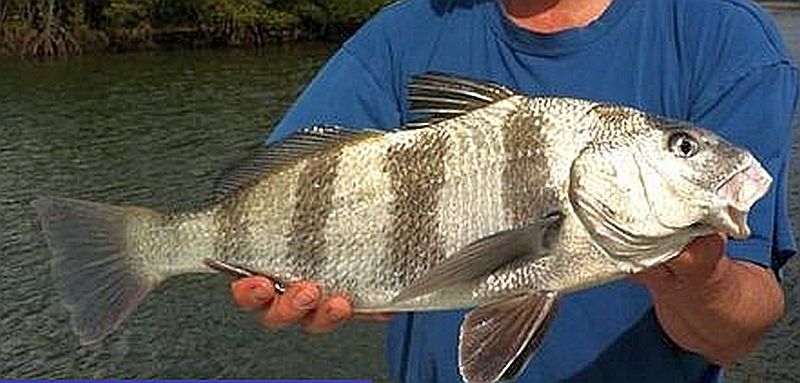 I've been out of town lately, but the guides I talked to have been targeting Redfish in the Mosquito Lagoon around the sandy potholes on the grass flats around concentrations of bait fish. Most of them are using live mullet, but gold Johnson Sprite spoons, soft plastic jerk baits and Chug Bugs, SkitterWalks, or other top water baits around the mullet schools are pulling in an average of 10 to 20 redfish per day. Slower days are still accounting for 4 to 8 fish per boat. On cloudy days, a favorite bait of some of the guides is a Z-Mann jerk Shadz on a weedless hook. For sight casting they are using mostly live shrimp, Z-Mann Paddle Z artificial baits and a variety of flies. When the weather gets lousy, a chunk of fresh cut mullet on the bottom in a sandy pot hole or along the shoreline is hard to beat. In the Mosquito Lagoon and northern Indian River Lagoon, the cooler water temperatures and migrating schools of mullet have been attracting some trophy size gator trout. The larger trout are staying on the flats longer during the day following the mullet pods and a live free lined mullet is the bait of choice for these 4 to 8 pound fish. By the end of December, you can count on some 10 pound or better fish being caught. This past year has been
almost phenomenal for Snook fishing. The recovery since the major freeze a few years ago has been astounding and literally dozens of big snook have been caught and can be spotted laying up close up on the shorelines and around the docks.
The muddy bottoms in the deeper 5 to 10 foot cuts are warmer than the surrounding waters and the fish will move into these deeper canals where they become much easier to locate and catch. Black drum, sea trout, redfish, Snook and even an occasional tarpon can hit your bait at any given time. Black Drum have become more plentiful in the canal systems and fish over 10 pounds are a common catch. Some gator sea trout also cruise the edges of the canals during the winter months, but most of the fish caught will be in the 14 to 20 inch category. Start fishing the canals at first light with a free lined jumbo shrimp or finger mullet close to the mangroves or along the deep water drop offs. When the water temperatures get back to the 60 degree mark, the fish will begin to migrate back into the river systems.
When fishing the canals, gear up with light spinning tackle with 6 pound braid or 10 pound mono, and about three feet of 15 pound fluorocarbon to get more bites.
A live shrimp on a number 1 or 1/0 short shank hook, and a small split shot about 12" or 15" above the bait is all you need to skip the bait to a deep water dock piling or close in to the mangrove roots. This setup is deadly on snook, sea trout, and slot reds.
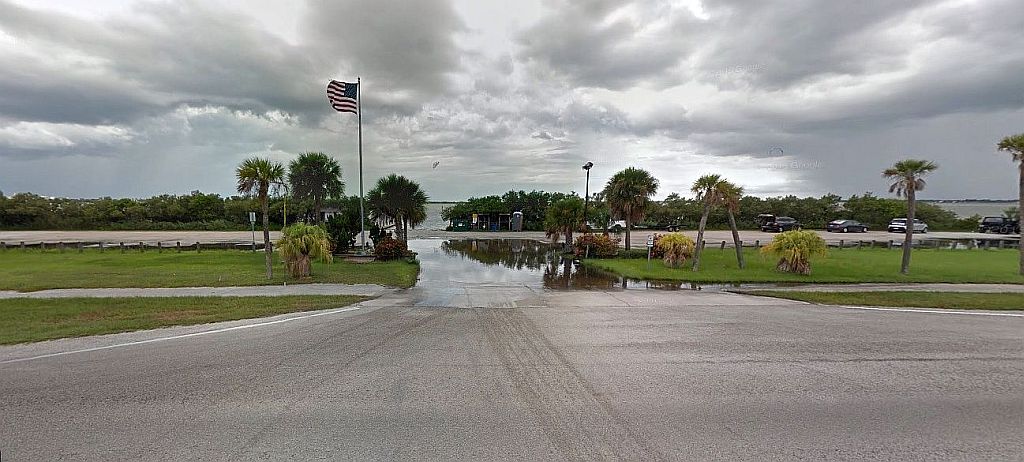
The Banana River, Halifax River, and Indian River have plenty of canals to fish during the winter months. One overlooked canal is right along the shore from the Jones Avenue Boat Ramp in Mims, north to Scottsmoor. Sykes Creek is another productive area to consider during the winter months. If you plan to fish the deep water docks around the Thousands Island area in the Cocoa Beach area, put in at the Constitutional Bicentennial Park boat ramp on SR520.
 _______________________
Surf fishing
Without a doubt, Pompano will be the most targeted species for East Central Florida surf fishermen this month. From December through the end March, as the water temperatures begin to drop, surf casters along our coast will be searching for deep water trough hot spots where they often found in groups trying to load up on these tasty fish. 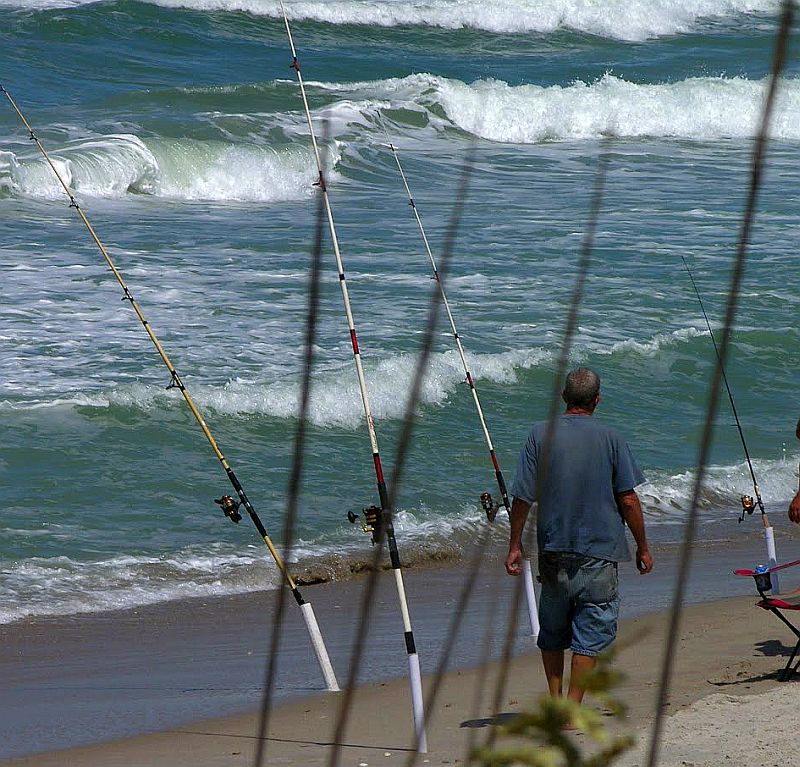 The deep water throughs that parallel the section of the coast at Playalinda Beach just east of Titusville, is a prime location for Pompano. The deep water throughs that parallel the section of the coast at Playalinda Beach just east of Titusville, is a prime location for Pompano. Because of Playalinda's location immediately north of the tip of Cape Canaveral, it is a natural holding area for Pompano and many other winter migrant species. The beaches just north of the Canaveral National Seashore, the beaches around Patrick AFB between Melbourne Beach and Sebastian Inlet, and the beach immediately north of Ponce Inlet, are also good areas for Pompano.
When the water temperatures drop below the 50s, you will start to see surf casters lining up at various hot spots along the coast with their long surf rods, sand spikes, and sand flea traps fishing for Pompano. The best Pompano bait by far is the sand flea, which is actually a small crab, but small chunks of fresh clam, small pieces of shrimp, and small yellow or white colored jigs also work well.
Many surf fishermen prefer using fresh cut chunk baits for bluefish, small Spanish mackerel, shark, and the occasional Redfish that are also often found cruising the troughs. Pompano fishing is not limited to surf fishermen. Starting in late November, the river fishermen can also get in on the action. Schools of Pompano begin to congregate around the deep water bridge pilings where they can be caught by bank fishermen, pier fishermen and boaters using small, brightly colored jigs.
Almost any kind of 1/4 to 3/8 oz. yellow or orange colored jig can be tossed and slowly hopped back along the bottom to catch Pompano. Tandem jigs are also used on light tackle and are effective especially when tipped with a small piece of clam or shrimp. The trick is to work the jigs back very slowly. When you catch one fish, you can bet a small school is in the same area, so land the fish quickly and cast to the same area for more action. Starting in December, the two Melbourne Causeway bridges (US 192 and SR 518), the Wabasso Causeway Bridge (SR 510), the SR 406 bridge fishing piers in Titusville, the Port Orange bridge, and other areas in the Indian River are all potential hot spots for river pompano.
_______________________
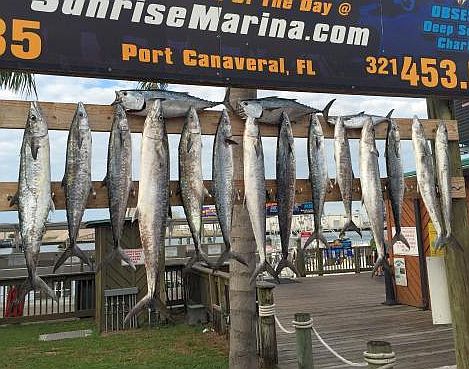
Near Offshore And Offshore Thanksgiving normally starts the annual Kingfish run out of Port Canaveral, but with the winds we have been enduring this past week, you might just as well work on your turkey day leftovers, grab yourself a brew, and watch the games on the tube. You won't be pulling ballyhoo along the edges of any weed lines or rips until the winds let up.
 When you do manage to get a nice day, look North and South for diving Pelicans in 10 to 30 feet of water when you head out of the port. When you find the birds, you'll locate the schools of mullet, pogies, or whatever.
After you grab your cast net and net up some baits, skewer a couple on 7/0 or 8/0 VMC circle hook tied on a 30 lb fluorocarbon leader and free line one around the school and a second bait on an egg sinker under the school. If you don't hookup within a reasonable time, move to another area and repeat the process untill you get a hookup. If the water temperatures remain warm, look for Cobia and Tripletail along the Canaveral buoy line and off the bight of the Cape.
The inshore reefs and wrecks in 60 to 100 feet of water, the 8A reef out of Port Canaveral, and the North end of Pelican Flats are usually good areas to target Kingfish when seas are not angry.
Off Cocoa Beach and some of the areas around Playalinda Beach, the fishing has been good for Black Tips and other shark species.
During this time of the year, North or South of Port Canaveral are areas where you have a good chance of hooking up with either a "bull" redfish, a nice Blacktip, a 200 pound Sand Tiger, or something even bigger. A stout bottom rig spooled with 100 pound braid, a large swivel, 3 to 4 feet of either 7 strand or solid wire in the 80/90lb class, and a 9/0 or 10/0 Mustad hook baited up with any fresh bloody bait should pique the interest of any self respecting shark if they are in the area.
Stingrays, small bluefish, bonita, ladyfish, whiting,Spanish mackerel or any other fresh bait chunked up will do just fine. You don't have to fish far from the beach to catch big shark. They are usually in 15 feet of water or less in our area, and in many cases will come right into the surf line to grab a bait. The Coco Beach area is another great spot to fish for shark this time of the year. _______________________
Port Canaveral Weakfish and Flounder
December is normally when the Weakfish and Flounder start showing up around Port Canaveral.
A sliding sinker rig on 20 lb line with a swivel separating a short 12 to 15 inch fluorocarbon leader and a 4/0 or 5/0 hook is all you need for winter flounder.
You can bait up with a finger mullet, mud minnow, or large live shrimp and keep the bait right on the bottom. Some flounder fishermen use a plain white hair jig bounced off the bottom or tipped with a live mud minnow, but a jig tipped with a Trigger X or 5" Saltwater Assassin witll also do the job when the fish are on. 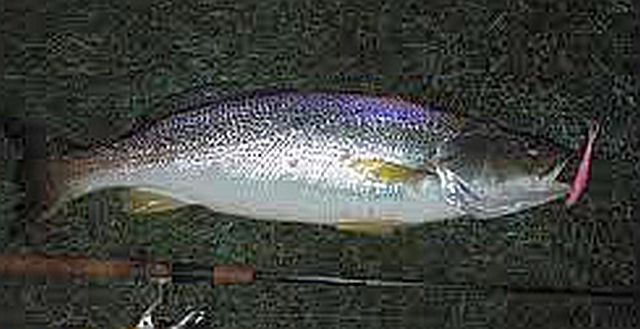 Although I have not received any reports yet of any Weakfish in the Port, they should start showing up this month along the main shipping channel. Weakfish can normally be found suspended 3 to 10 feet above the bottom and are easily spotted on a fish finder.
Fishing a small jig or a live shrimp 3 to 19 feet off the bottom should get you a hookup.
Jetty fishermen can also expect to catch sheepshead, black drum, whiting, snapper, redfish and some Pompano this month on a variety of live, cut and artificial baits.
Haulover Canal
December fishing in Haulover Canal is normally pretty reliable for redfish and black drum.
The colder weather draws redfish, black drum, snook, sea trout and other species into the relatively warmerr depths of the canal where they can be more easily targeted. When the cold weather moves into our area and the winter shrimp run begins, predatory species change their feeding pattern and target shrimp.
Sea trout, black drum, redfish, snapper, and sport shrimpers will all start focusing in on the shrimp. Most of the local shrimpers I have spoken with complain about the shrimp run and compare each year to years past when they were running "strong". I don't shrimp on a regular basis but I have seen a decline in the amount of 5 gallon limits taken from the fishing piers at Titusville. Evidently the decline in numbers hasn't stopped local shrimpers from dropping their lighting arrays along the banks of Haulover Canal at dusk and dipping long into the night. The short shrimping video below was made by Salty Kayak in 2014, but is typical for Haulover Canal shrimping. 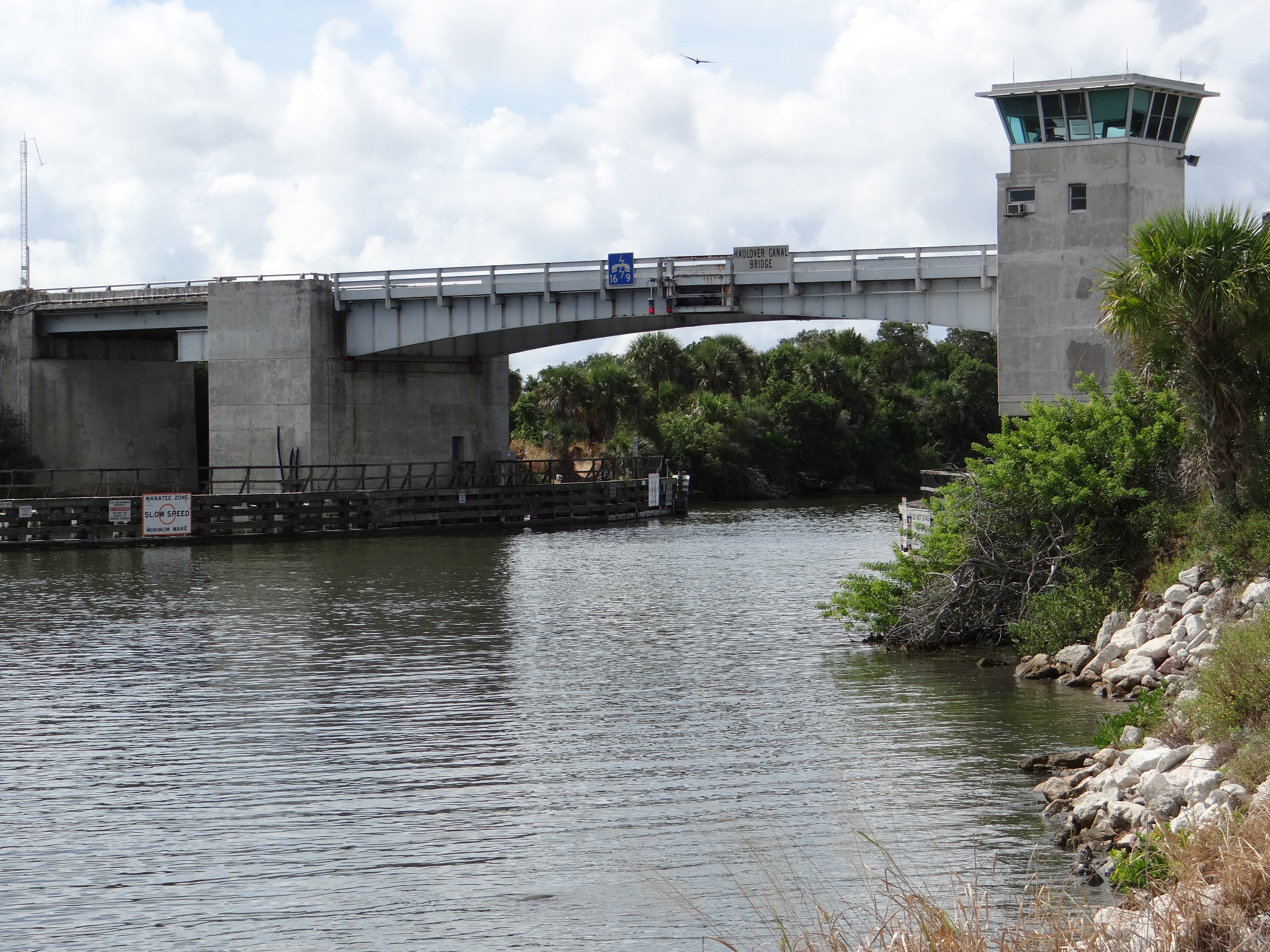 On average, the shrimp in Haulover Canal usually run much larger than their Oak Hill cousins, but they are not as plentiful.
Everyone is hoping that the short cold snap we had the week before Thanksgiving will trigger some action along the banks of Haulover Canal, as well as the Max Brewer Causeway in Titusville but it usually takes a longer cold snap to get them moving. The video above was filmed in February after a mild winter. Shrimping activity on both Titusville fishing piers has not met expectations so far this year, but we still have the rest of the month for it to pick up.
_________________________
Until then,
Tight Lines To All!
|
||||||||

| Link One | Link Two | Link Three | Link Four | Link Five | Unsubscribe to this newsletter |