Your November 2015 Mosquito Lagoon & Indian River Fishing Report
Published: Thu, 11/26/15
| Newsletter Issue # 75 Fishing Forecast | November 1, 2015 |
Mosquito Lagoon & Indian River Fishing |
|
|
Mosquito Lagoon & Indian River Lagoon Fishing
October was a stellar month for fishing in all of our lagoon systems for slot size and over size redfish, some really nice sized gator sea trout and for black drum.
Now that Halloween has come and gone, the fall run of baitfish is also thinning out along our coast. The rains we have endured for the past month have raised water levels in the Mosquito Lagoon, North Indian River and the marsh areas of the Merritt Island Wildlife Refuge to levels I have not seen since I first move here many years ago. This has allowed fish to feed in some extremely shallow areas previously inaccessible to them as well as to the fishermen stalking them. Although the water levels are high, the water in the north Indian River Lagoon is for the most part still clean. Anglers have been fishing the edges of the mangroves and the shorelines casting DOA Shad Tails, small topwater baits and live shrimp. The open culverts that are used to manage the water levels in the marsh are prime areas to target redfish and sea trout, especially during the early morning and evening hours. The fish stage just off the culverts looking for an easy meal as the water flushes small fish and crustaceans towards them. A well placed DOA Shrimp or paddle tail bait smeared with some Pro-Cure will usually produce a strike if there are any fish in the immediate area. The fish can be "spooky" when there is a lot of vehicle traffic, but are catch-able if you practice stealth approaches and use artificial baits that mimic what they are feeding on. The 24" Sea Trout below is a typical example of what you can expect to catch when fishing open culverts, and the five other fish that were caught at the same culvert on a gold Johnson Sprite spoon were chasing mullet right onto the bank. 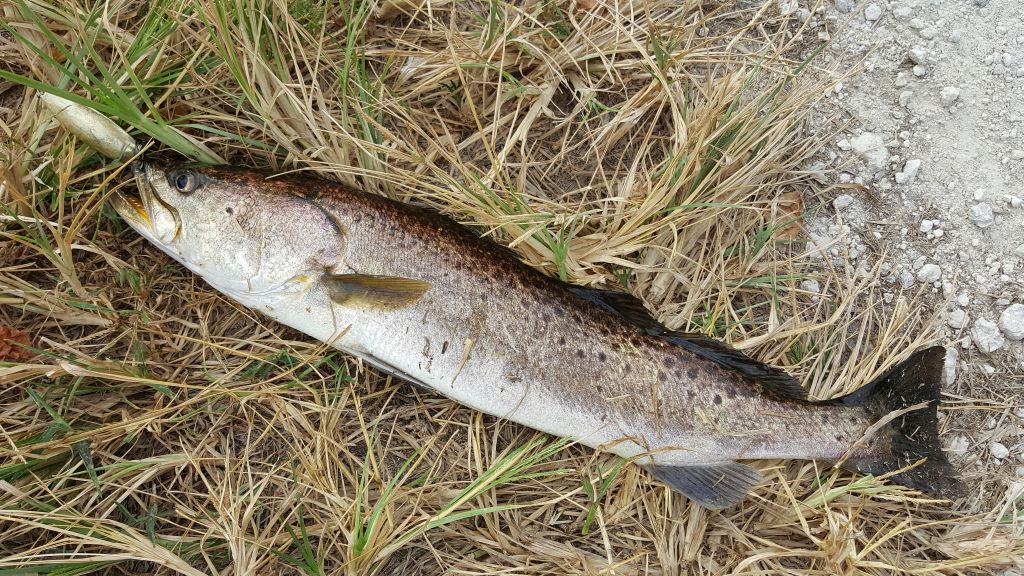 During the winter months, the fishing pressure usually decreases on the Mosquito Lagoon, Indian River, and Banana River Lagoons, and the redfish and sea trout are much more cooperative, especially in the extremely shallow waters around the perimeter of the waterways. As of last week in the marsh areas of the Merritt Island National Wildlife Refuge, there are newly flooded grassy areas everywhere you look. Most fishermen will pass up these areas in favor of fishing the banks of the Indian River with cut baits and live finger mullet for slot size redfish however, the marsh canals and the small ponds have a landlocked population of sea trout, black drum and oversize redfish that are eager to please if you know how to fish for them. The next time you drive through Peacocks Pocket Road to enjoy the migrating waterfowl or watch the gators sunning themselves on the banks, check out the marsh canal for telltale signs of fish along the bank. Scattering bait fish, telltale swirls, unusual movements of the grass around submerged islands, and obvious wakes can signal the presence of feeding fish in the marsh. A delicate, well placed cast to these areas will often hook you up with a nice redfish or a hefty sea trout. The grass along the unimproved road is high and the banks of the canal are lined with heavy brush and mangrove roots, so unless you quickly horse the fish onto the bank, you may not get a chance to take a picture of the fish you hook. With 30 inch and over redfish being the norm, break offs are common. Apparently the redfish are still in their spawning mode and since it looks like we may be going to have another mild winter, they will probably remain in that condition for a few more weeks into November. As water temperatures drop into the fish's preferred feeding range, their metabolism will perk up, the fish will feel the urge to eat and bulk up, and they will be feeding more actively for longer periods of time. As they finally settle into their winter feeding patterns, we should see some of the larger redfish tailing on the backsides of the shallower warm water flats and if you are a fly fisherman, it is a prime time to sight fish skinny water. As the water gets colder this month, the diet of the fish will begin to change a bit. The large schools of baitfish that were the staple diet of summer time fish will be replaced by shrimp as the shrimping season in Central Florida begins to peak and the bait fish leave the lagoon systems. You will still be able to catch redfish on live mullet, cut baits, clam, and a variety of artificial lures, but live and fresh dead shrimp will become the bait of choice for black drum and redfish during the winter months. I fish top water baits throughout the year but during the winter months, the action drops off drastically, however, there are always exceptions. The 32" Sea Trout below was caught around a grassy island last year on Halloween evening on a Chug Bug just before a cold front moved into the area. Big fish usually like big baits. 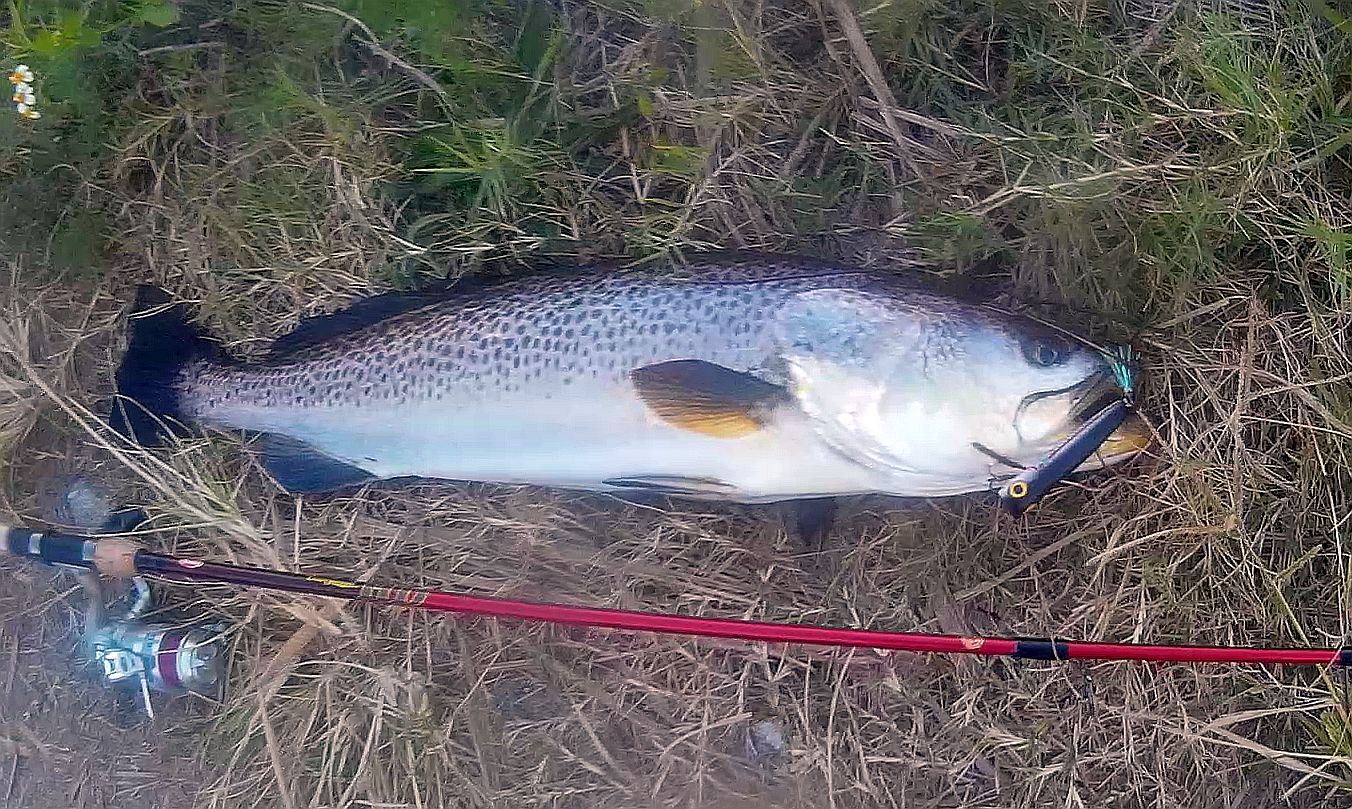 Playalinda Beach 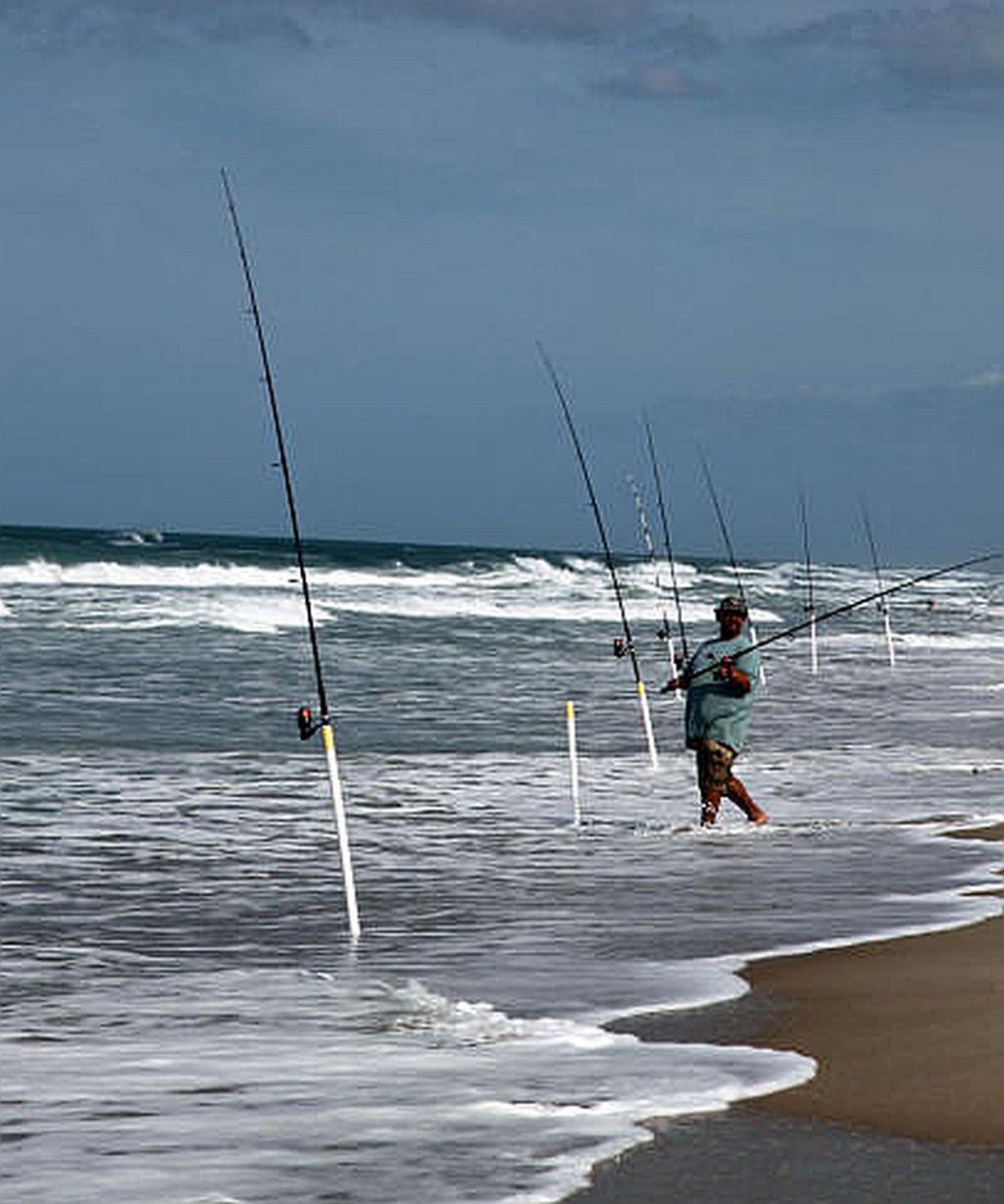 Surf fishing along the Brevard County coastline perks up considerably during the winter months for Pompano fishermen, and November is normally a prime month. Surf fishing along the Brevard County coastline perks up considerably during the winter months for Pompano fishermen, and November is normally a prime month.Although shrimp and clams will catch a fair share of fish, it is hard to beat sand fleas (Mole Crabs) for catching Pompano in the surf. Most surf fishermen use a standard two or three hook Pompano rig with a 3 to 5 oz. pyramid sinker. Small light wire circle hooks seem to work best when using sand spike rod holders, especially when several rods are being tended to at one time. The fish hook themselves much easier on circle hooks than with standard J hooks, and trying to set the hook on a fish when your are watching three or four surf rods at one time is almost impossible. Some surf fishermen along Playalinda Beach put tiny bits of clam or shrimp on a small yellow or white jig and walk the beach fishing the troughs. I have tried this technique a few times with mixed success. It works great for whiting but I have yet to get a hookup with a Pompano. The fall baitfish migration has been going on and surf fishermen using diamond jigs or Gotchas for Spanis 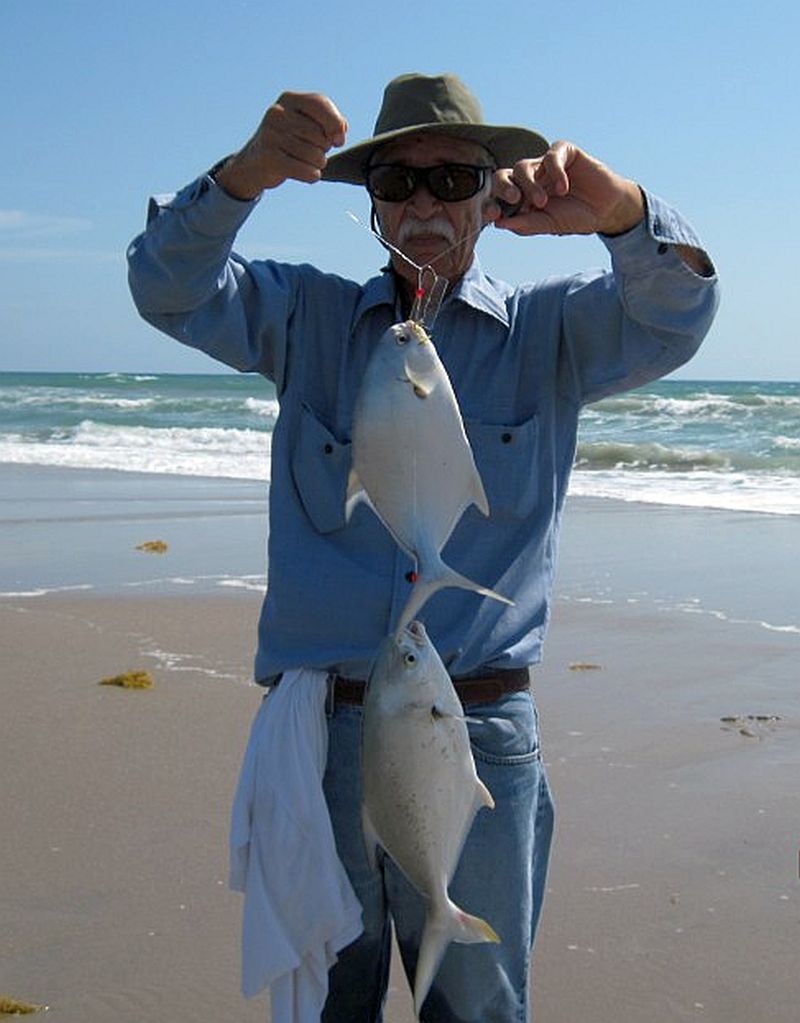 h Mackerel and small bluefish have been making some nice catches around the minnow pods when they are close to shore. h Mackerel and small bluefish have been making some nice catches around the minnow pods when they are close to shore.Use larger spoons on a short piece of 50 pound fluorocarbon leader or a piece of single strand wire to minimize cut offs for big Jacks and the larger Bluefish. A live mullet or fresh chunk bait on a sliding sinker rig with a 5/0 VMC circle hook can also hook you up with a Bluefish, Redfish, or a shark. Fish during an incoming tide, preferably during the early morning hours for the best bite.
Good numbers of Pompano are usually found in the deeper troughs along the higher numbered parking spots along the Canaveral National Seashore at Playalinda Beach, and the beaches from Melbourne Beach south to Sebastian Inlet. Look for Pompano fishermen and you can usually find Pompano in the surf. PORT CANAVERAL Along the jetties at Port Canaveral, the flounder bite has been good during the early morning hours from first light till around 10:00 am and later on during the last few hours of daylight.Live finger mullet on a sliding sinker rig or fresh cut strips of mullet rigged on a 3/8 oz. jig head works well when targeting these fish. Jigging the bait off of the sandy bottom while drifting is a great way to locate the fish. Most of the flounder being caught right now are running around 15 inches in length with a few larger fish in the mix. Till next time,
Tight Lines To You All!
|
|
| Link One | Link Two | Link Three | Link Four | Link Five | Unsubscribe to this new |