Your July 2015 Mosquito Lagoon & Indian River Fishing Report
Published: Wed, 07/01/15
| Newsletter Issue # 71 Fishing Forecast | July1, 2015 | ||||
Mosquito Lagoon & Indian River Fishing |
|||||
Mosquito Lagoon and Indian River
Hope you all have a safe Independence Day this July 4th.
As far as the Inshore fishing is concerned, redfish and sea trout will be the staple for July fishing.
A lot of oversize redfish are being caught right now in the spoil island areas in the Indian River between Vero Beach and Sebastian, and in the northern flats up around the Mosquito Lagoon and north Indian River where the schools are hanging around the Black Point, Tiger Shoals, and Pardons Flue areas. Rapala Skitterwalks in the bone and red head or plain bone patterns have been extremely productive for these fish up until about 8:00 am. Then you can switch to the 4" Assassin Sea Shad or the new 5" Bass Assassin Die Dapper The redfish have been feeding on baitfish and are are extremely aggressive right now pounding topwater baits in the early morning hours. Most of the fish have been running anywhere from 24" to 33" inches with some larger bull reds in the mix. 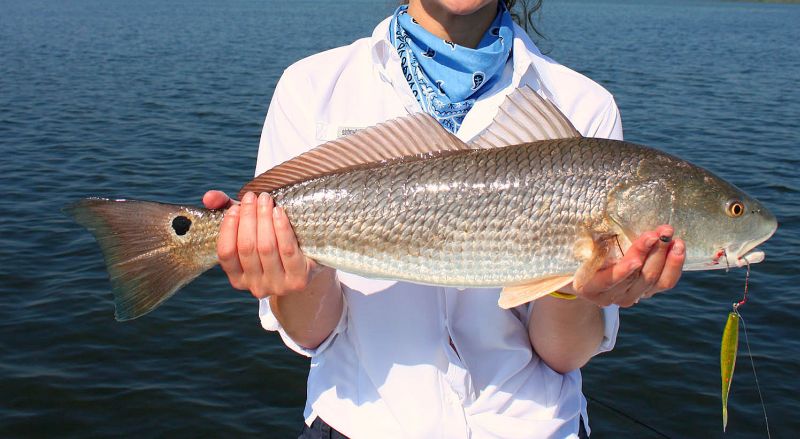 For Sea Trout, the Twitch N Rap in the olive green or the hot flash color and the smaller 08 size Rapala SkitterWalk in the bone color, or anything that imitates the smaller pig fish or finger mullet that the trout have been chasing in the Mosquito Lagoon has been producing nice catches of fish in the early morning hours. If you enjoy fishing with live baits, you can always bait up with a live Pig fish, Croaker, or finger mullet underneath a Cajun Thunder rig. The sea trout schools will be moving around a lot as the water temperatures continue to increase but in the mornings up until 9 or 10 am, you can find the fish in the shallower 2 to 3 foot flats and then later on in the afternoon in the 4 to 5 foot flats that are adjacent to those places where they are more comfortable. During July and the rest of the summer, the sea trout and redfish will be moving around a lot as the water temperatures continue to rise. The schools can move from one area to another in a matter of hours to stay in water that is more comfortable for them, so keep on your toes. If you stop catching fish in one area, move on and keep moving until you find them. The heat is always a major factor in catching fish during the summer months, but you can catch some really nice sea trout up to the 12 pound category this time of the year if you keep moving around. 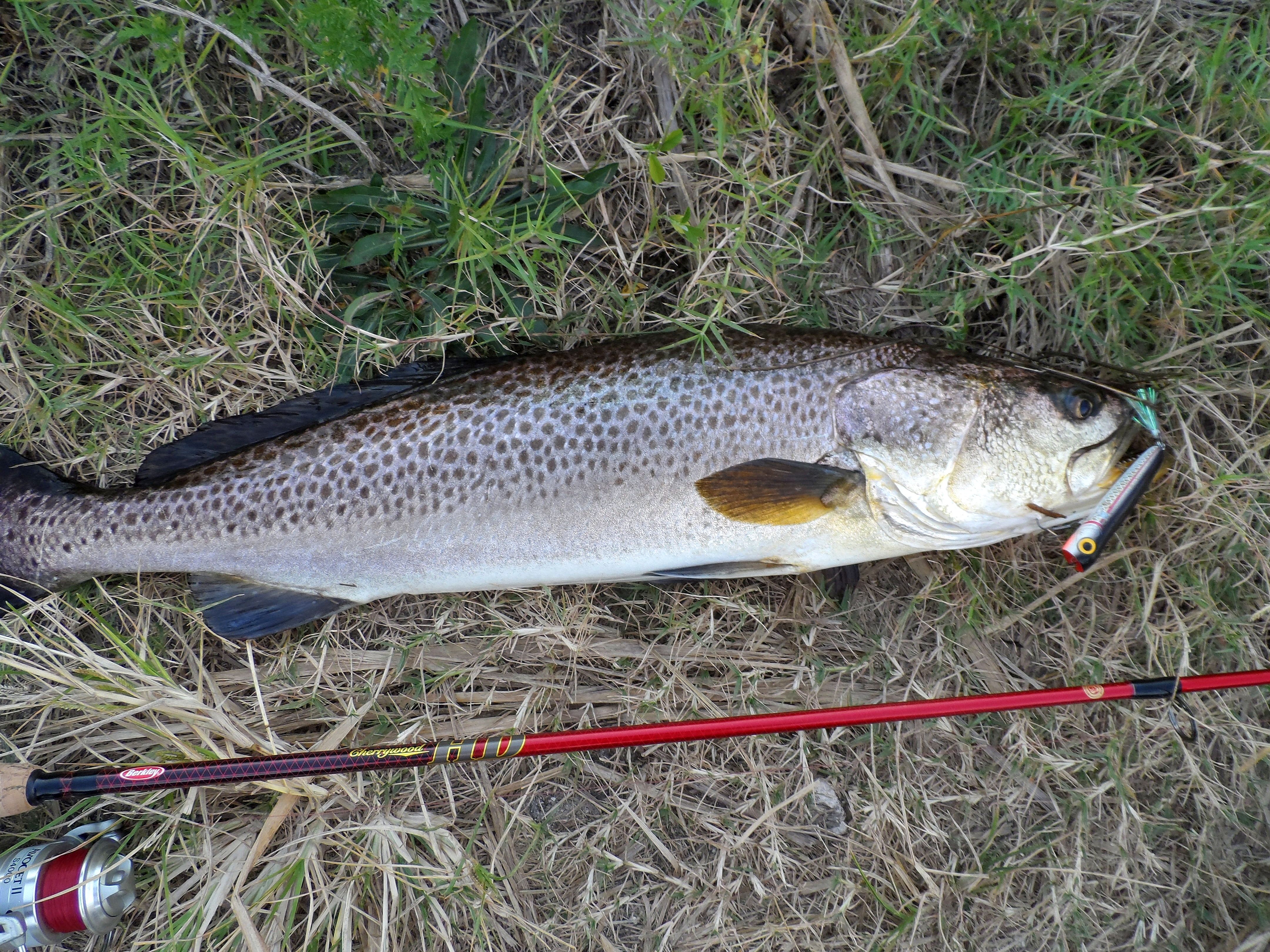 Some really big "bull" redfish in the 33 to 50 inch category have been schooling up in the mornings along the deeper edges of the shallow sand bars in the Mosquito Lagoon and the northern Indian River.
As water temperatures warm up later on in the afternoons, the schools have been moving into the deeper flats, the deeper waters of the ICW, and into Haulover Canal. A live pinfish, mullet, or blue crab rigged on a 5/0 vmc circle hook Oversize redfish are being caught on the outgoing tides in both Sebastian and Ponce Inlets. Reports of 25 to 35 pound fish being caught on live blue crab in Sebastian Inlet are not uncommon. Fishing the Merritt Island National Wildlife Refuge is challenging right now with the water levels as low as they are. The fish are concentrated into the deeper ponds and holes in the marsh areas and are extremely spooky.
The best bet is to toss a topwater Chug Bug smeared with some Pro-Cure early in the mornings or late in the afternoon just prior to sunset. The reds start moving around from pond to pond through the marsh canal and can be caught with a careful approach and a well placed gold spoon. Sea trout cruise the shorelines just before dusk and can be targeted if you are careful presenting your baits to them. I use Chug Bugs fished along the brushy bank to weed out the smaller trout.  Occasionally, the fish don't read this report and bite in the middle of the afternoon. Occasionally, the fish don't read this report and bite in the middle of the afternoon. This 26" sea trout was caught Saturday on a Chug Bug along with five other smaller fish around high noon. Juvenile tarpon and ladyfish can also be found in the shallow ponds in and around the refuge this month. You can catch them using topwater plugs like the Heddon Zara Spook, the Rapala Skitter Walk or the Storm Chug Bug during the heat of the day when they are most active. Jerk baits, DOA Bait Busters, D.O.A. Swimmin Mullet _______________________
Near Shore and Offshore Fishing The coldwater upwellings during July and August make forecasting offshore of East Central Florida an "iffy" proposition. Many species will not follow their normal feeding patterns when deep water readings turn colder. We have had summers when cobia have followed the sardines, blue runners and other baitfish into warm water pockets just north of the Port Canaveral buoy line into 30 or 40 feet of water. This provides for a bonanza that can last from a few days to weeks until the water gets dirty. The upwellings have pushed sailfish and grouper from their deep water haunts to within casting range of the jetties and well within small craft range. If the cold water does not interfere with normal feeding patterns during July, we can expect some great fishing for King Mackerel, Tarpon, and grouper. Right now the 21 and 27 fathom ridges and the opalina coral ridge locally known as "the cones" in 250 of water are producing nice catches of Gag Grouper. The multitude of wrecks between 120 and 240 feet of water are also producing good catches in our area. The shallow waters between Ponce Inlet and Port Canaveral are also producing surprisingly larger groupers. Pinfish, grunt, and chunk baits like bonito, grunt, and barracuda work well as do vertical jigs; but most of the grouper fishermen have been using a 10 to 24 oz. nylon hair jig with some sort of glow paint or a glow skirt to make them more visible at those depths. Most of the grouper being caught right now are running anywhere from 18 to 25 pounds, with some fish upward of 40 pounds. The king mackerel have returned this past week to our area in a big way. The larger fish upward of 20 pounds are cruising inside the 65 foot mark with blue runners, pogies, and sardines being the top three baits that anglers have been using on stinger rigs for slow trolling. Pink and chartreuse colored C&H king busters, The reefs and wrecks in 70 to 90 feet of water offshore have been producing slightly smaller fish in the 10 to 20 pound range, but they are much more numerous. If you like fishing the near shore waters of our region, you are in for some great shark fishing this month. Spinner sharks, black tips, golden duskies and sharpnose shark are just a few of the species you will run into if you are slow trolling or drifting in the 15 to 50 foot depths, or closer inshore. Wire leaders or 100 pound plus fluorocarbon tied to a single hook is is all that's needed as terminal tackle. Any fresh chunk of bonito, barracuda or other oily or bloody fish should get you hooked up. Most of the sharks being caught offshore are running in the 10 to 50 pound range, but much larger fish in the 90 pound plus category have also been recently caught. Barring any hurricanes, the big boats will be making their long trips east of the Gulf Stream in search of Yellowfin Tuna. The run is at least 80 or 90 miles depending on where the Gulf Stream is located, but the fishing is reliable through September. I would give my eye teeth to make that run! _______________________ Surf Fishing All you have to do is dip your toe into the surf line to tell whether or not summer snook are here. If the water temperatures are moderate along the five mile stretch of submerged worm rock and coquina reef between Satellite Beach and Indialantic, the snook will be feeding in the area. Most snook will be small but if you use an 8" or 10" live mullet or pogie for bait, you have a better chance of attracting bigger fish. This angler hit an exceptional monster snook on the fly. 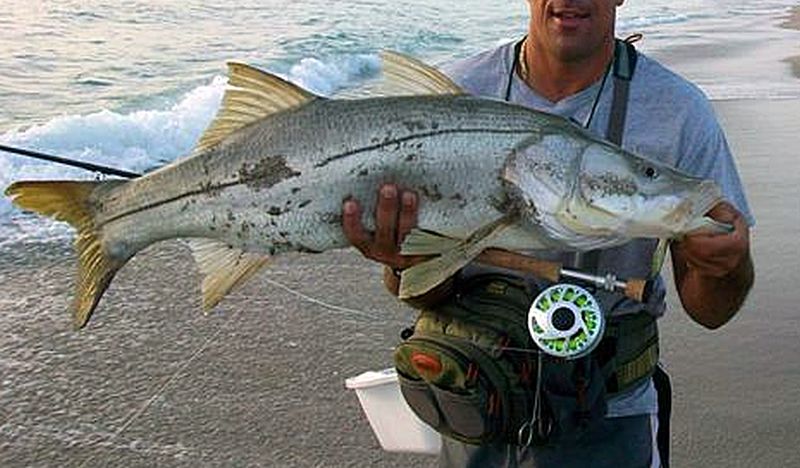 During the summer months Snook of 30 pounds and over have been caught on that stretch of beach. The best chance is at first light and again at dusk until a couple of hours after dark preferrably during a high tide when there is more water over the reef. The smnaller snook will be targeting greenies and pilchards so if you are happy with them, look for areas that harbor those baits. Tarpon are another inshore possibility if the coldwater upwellings dont appear during July. The best areas for boaters and surf fishermen are along Canaveral Bight north of Port Canaveral, the surf along Patrick AFB, and the surf between Melbourne Beach to Vero Beach. Most Tarpon will be under 100 pounds but they are great fun to catch. July is when whiting start getting thick along the beaches in most areas of Central Florida. River rods with small hooks on a sliding sinker rig with sand fleas or small peeled pieces of shrimp are all you need to load up a cooler. Many surf fishermen using long surf rods and conventional two or three dropper hook rigs overcast the fish that are running the near troughs. Getting out early in the morning regardless of the tide is the secret to catching whiting but the best bite usually occurs from the middle to the end of an incoming tide. Sharks or almost any species are also on the agenda for surf fishermen during July. Bonnet heads, black tips and nurse shark are only a few of the species that may gobble up your bait. If you are specifically targeting shark in the surf, use wire leaders and fresh baits and try to stay away from beach goers if at all possible. The shark follow the baitfish and occasionally hit swimmers in dirty water conditions close to shore. Haulover Canal
Haulover Canal fishing is good almost all year round but as water temperatures continue to rise, the fishing improves. Bull redfish, huge black drum, sea trout, snook, and an occasional tarpon are all possible at various times at Haulover.
The fish seek the cooler waters of the canal as summer temperatures continue to rise. If you are fishing from a boat, drop a half of a blue crab, a fresh chunk of ladyfish or other cut bait to the bottom on a sliding sinker rig and wait. The mouth of both sides of the canal are good spots depending on the direction of the current but fish are caught throughout the depths. Running the length of the canal with a fish finder will show constant blips of fish almost any time of the year. Last week black drum were being caught on shrimp and clams. Who knows what will be biting next week? _______________________
Lobstering Some of the best lobstering outside of the Florida Keys is available to East Central Florida residents right off our coast out of Port Canaveral. 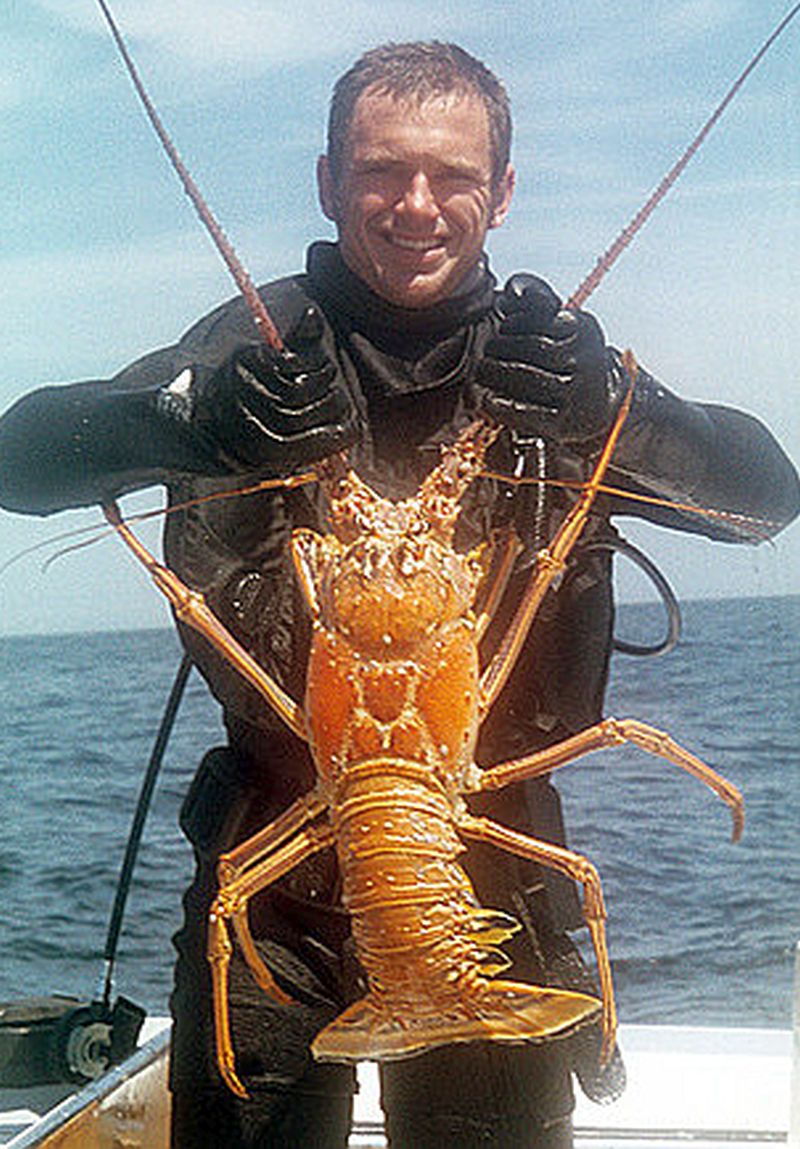 For size, the waters out of Port Canaveral, Sebastian Inlet, and Fort Pierce Inlet can't be beat. For size, the waters out of Port Canaveral, Sebastian Inlet, and Fort Pierce Inlet can't be beat. The sport lobster season this year is on July 29th and 30th, followed by the regular season opening on August 6th. It begins at 12:01 am on Wednesday the 29th, and ends at 12:00 midnight on Thursday, the 30th. The largest bugs are caught in the 50 foot to 90 foot depths by divers in our area but the shallow water artificial reefs out of Ponce are available for small boaters. The divers of the inshore reef between Sebastian Inlet and south of Vero Beach usually do surprisingly well in the early season before the reefs get picked over. Wabasso Beach is also a popular area for beach divers. You can swim out to 15 or 20 feet of water where some giants have been caught in past years. Bugs up to 14 pounds have been taken in the Wabasso, Disney Beach area. Click on the icon below for additional information on Florida Spiny Lobster Season 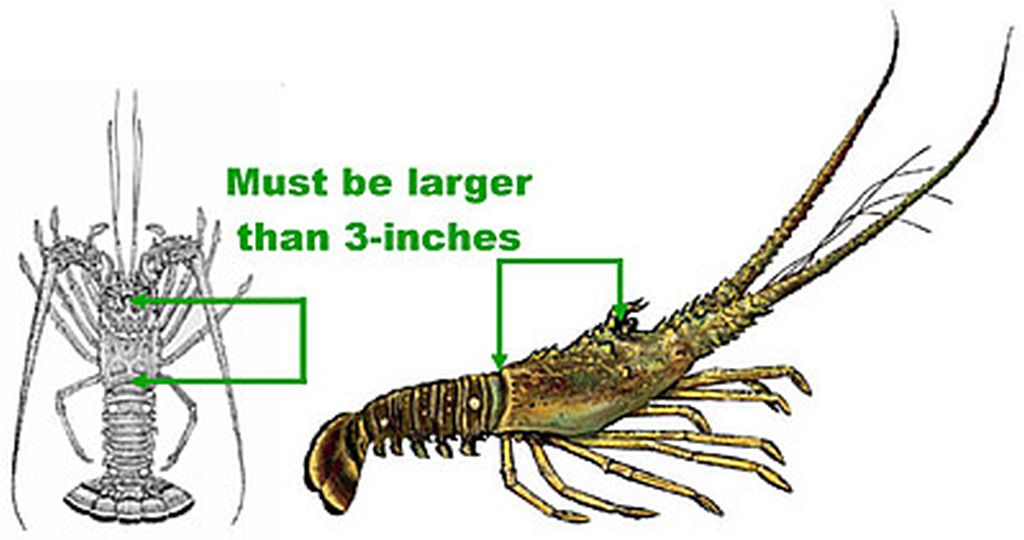 Till Next Month, Good Fishing & Tight Lines To You All! |
|||||
| Link One | Link Two | Link Three | Link Four | Link Five | Unsubscribe to this newsletter |