Your March 2015 Mosquito Lagoon & Indian River Fishing Report
Published: Sun, 03/01/15
| Newsletter Issue # 67 Fishing Forecast | March 1, 2015 | |
| Mosquito Lagoon & Indian River Fishing | ||
Mosquito Lagoon & Indian River Fishing
The March winds that are already blowing on our lagoons will no doubt continue to cause difficult fishing conditions throughout the month.Fortunately, the fish will continue eating regardless of what the wind is doing. Experienced fishermen in our area know that during March, fishing the lee shorelines, especially when the wind has been blowing for a number of days can be advantageous. Usually the baitfish schools travel with, or are pushed along with the wind. The fish tend to congregate in areas where the wind is stopped by a land mass such as a shoreline, a spoil island or a bridge abutment. When you find these large congregations of baitfish, you will also find redfish, snook and sea trout looking for an easy meal. Persistent strong winds will push floating sea grasses to the windward shorelines leaving the calmer leeward waters free from floating grass. This scenario is perfect for fishing topwater baits, soft bodied or hard bodied suspended lures, or if you are a fly fisherman , a variety of fly patterns. When weather conditions make casting artificial baits impossible, it's time to drop anchor in a strategic spot and toss out a live bait, fresh cut mullet, ladyfish steak, shrimp, or piece of blue crab into a sandy pothole and wait. One of the best areas to fish in the Mosquito Lagoon is the area adjacent to Playalinda Beach and east of Tiger Shoals. There are a bunch of small islands in these areas where you can usually spot redfish and big sea trout foraging on fiddler crabs, shrimp, small baitfish and anything else they can put in their mouths. Directly West of Tiger Shoals and across the ICW north of the Beacon 42 boat ramp are a series of islands called the "klinker islands". Around the back of these islands you can usually find slot redfish and gator sea trout feeding in the sheltered warmer waters on shrimp, crabs and small baitfish. The middle section of the Mosquito Lagoon is the most talked about and popular with most fishermen but for myself, the southernmost areas off of Bio Lab Road and around the Whale Tail is just as productive and more convenient. From Bio Lab road, there are many areas where you can launch a canoe or a kayak, or just wade out from the road and fish the potholes in the abundant grass flats. Gato r sea trout are noted for staking out spots around the potholes and waiting to ambush anything that swims by. As the waters warm up in March, fishing the potholes in the Mosquito Lagoon and the north Indian River is an excellent way to hook up with one of these fish. Unless you're a Zombie, the explosive strikes that are typical with early morning topwater sea trout fishing during March is bound to get your blood pounding. When a Zara Spook, Chug Bug, Badonk-A-Donk Get out early in the morning and start fishing with a slow steady retrieve. If this doesn't produce, pick up the speed and vary your retrieve. Big trout are notoriously lazy predators and will often hit a motionless bait, especially if it is smeared up with some Pro-Cure 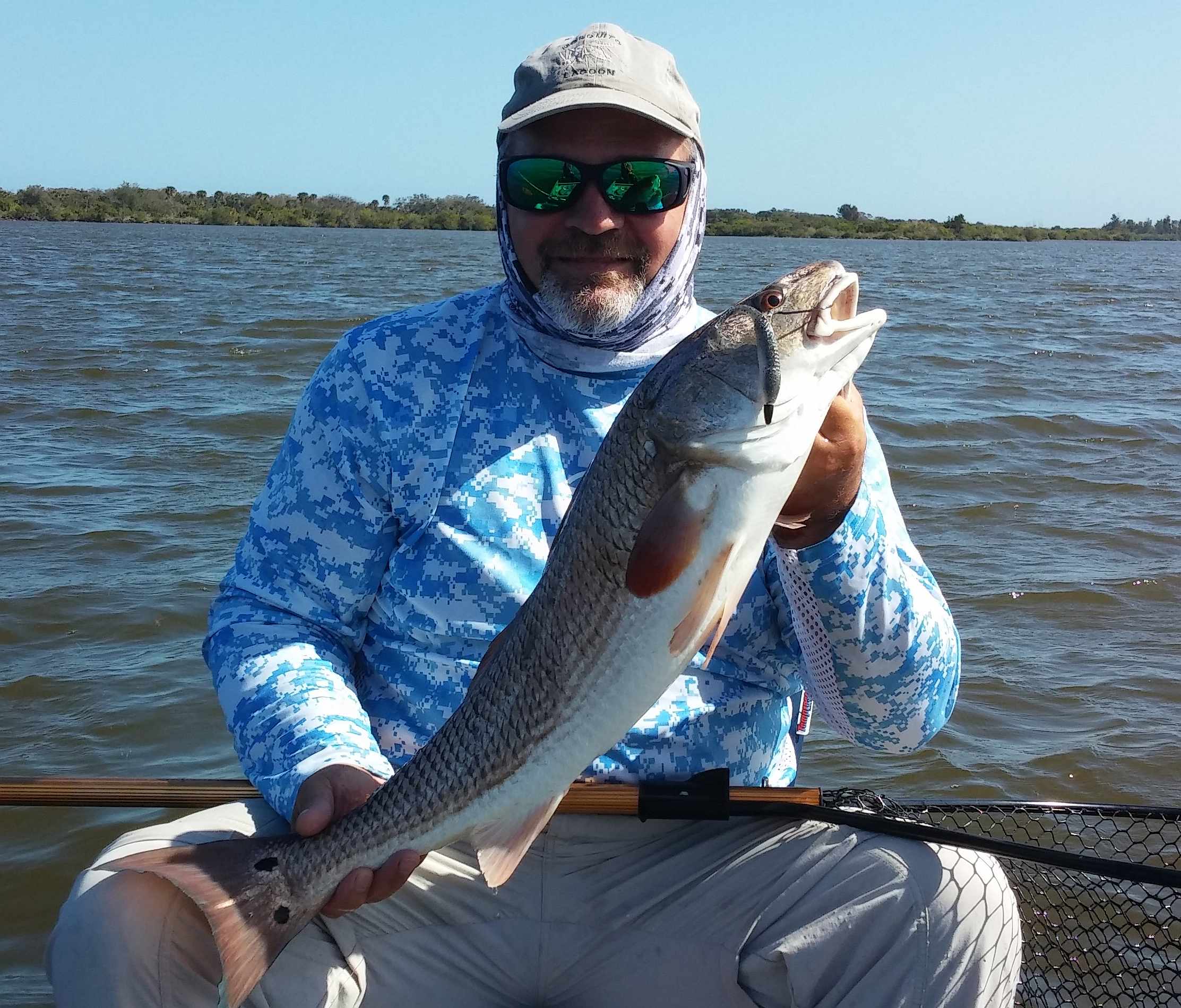 On the rare mornings when the trout are not interested in blasting surface baits, change over to a soft plastic Z-mann paddle tail type jerk bait, or Texas rigged Turbo CrawZ juiced up with some scent. On the rare mornings when the trout are not interested in blasting surface baits, change over to a soft plastic Z-mann paddle tail type jerk bait, or Texas rigged Turbo CrawZ juiced up with some scent.Toss it into a pot hole and fish it slowly, especially later on in the day. Redfish like the one caught here by Craig Bates are common in the shallow flats. On days when water clarity is an issue, you can locate fish with a gold Johnson's Sprite or a Johnson's Weedless Silver Minnow. Spoons cover a lot of water fast, and trigger impulse strikes when other baits fail. They are a great all around "go to" bait for redfish, snook and sea trout. During March and April, the area directly south of the Peacocks Pocket kayak launch, west of Stony Island and close to the KSC barrier is a great area for redfish, sea trout and black drum. Unfortunately, as of this posting, Peacocks Pocket Road is still closed for repairs. If you run in by boat from the Parrish Park or Marina Park boat launch, try fishing the shallower grass flats on the east side of the Indian River on the way up to the KSC barrier. On windy days, the leeward sides of the islands often hold schools of black drum, redfish, and sea trout. As March progresses, large schools of finger mullet will return to the central Indian River flats and the topwater bite for gator sea trout will improve considerably. Don't forget to download a free fishing permit if you plan on fishing in the Merritt Island National Wildlife Refuge. You must carry it with you in addition to your regular fishing license when in the area. The permit is required for ALL fishermen fishing from land or from a vessel in refuge waters. The fine for violating the permit requirement is $125.00. ___________________________
Port Canaveral Near - Shore
When calm seas can be found and the surface temperatures read 65 to 70 degrees, it's time to target near shore Cobia and Tripletail.
Port Canaveral has been a hotspot for Cobia and big Tripletail for years. That's probably why they call it "March Madness" for Cobia fishing. The windy conditions we usually encounter during March push huge patches of sargassum weed across the ocean into the currents formed by the inshore shoals of Cape Canaveral. This creates extensive weedlines dotted with boards, coconuts, plastic buckets, tree limbs and other miscellaneous flotsam that hold a variety of fish, including Tripletail. The average size tripletail is usually four to eight pounds, but along our Space Coast, big tripletail in the 20 to 30 pound range are relatively common. 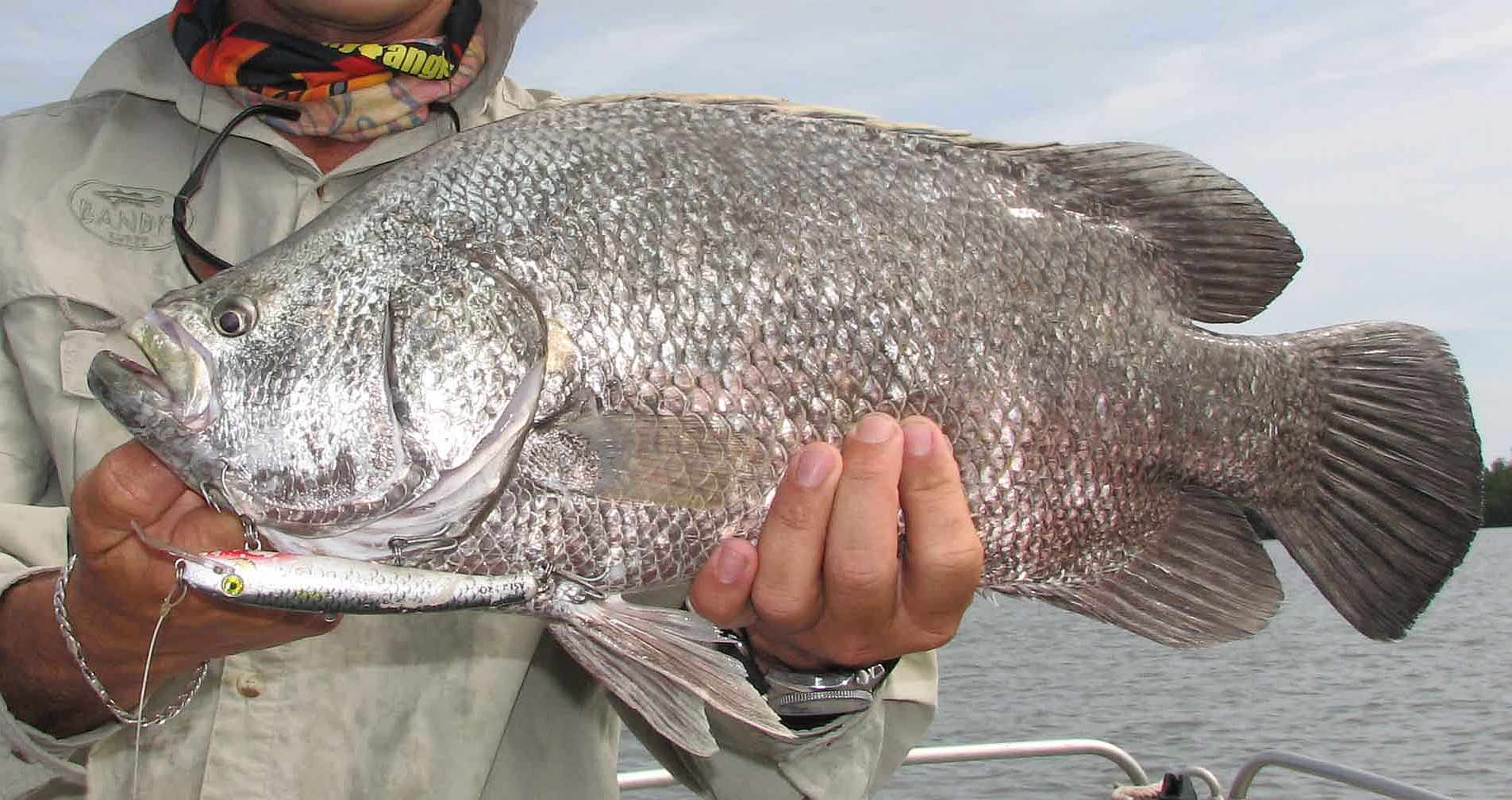 The record books show that more IGFA world record Tripletail have been caught outside of Port Canaveral than anywhere else in the world.
Big Tripletail love to hang around the line of ship channel markers and flotsam usually found just outside of the port. During the stone crab season in October, the fish can be found around the down-tide side of the floats. The longer the trap has been in the water, the more growth there will be on the line and the more likely it will harbor a Tripletail. Tripletail are opportunistic fish and will hit shrimp, crab or baitfish with gusto. However, they can be picky and easily spooked if you ride up on them without using some caution. Small jigs, DOA artificial shrimp, a live free lined shrimp, or a variety of flies will usually get you a hook up. These prehistoric "leaf" fish will immediately head for an anchor line when you hook one up on a buoy, so gear up for the size fish you plan to target. Generally, 30 pound Power Pro with a long flourocarbon leader is enough to steer the fish away from hanging up. The weed lines are also where Cobia can be found this time of the year. Sight fishermen routinely catch Cobia in the 50 to 60 pound category during calmer days with sunny skies. If the fish haven't been pressured too much, toss them a brightly colored hair jig or large plastic grub. Chartreuse and white, lime green or the stand by red and white hair jig with a plastic worm or Gulp Eel trailer is deadly on Cobia. During March, we sometimes get a short run of Spanish mackerel along the beaches and the inlets. When these runs occur, Jetty Park at Port Canaveral and the north jetty at Sebastian Inlet become prime areas for catching Spanish mackerel. The fishing piers at Coco Beach and Daytona are also good spots for catching these tasty fish. At Port Canaveral you can launch your boat at Freddie Patrick Park adjacent to Sunrise Marina, or at Port's End Park next to Scorpions New Port Marina. _________________________
Playalinda Beach Surf Fishing Playalinda Beach surf fishing for Pompano and Whiting has been picking up during the latter part of February and should get even better throughout the month of March.
The Pompano bite has improved considerably and the whiting that have been caught are getting
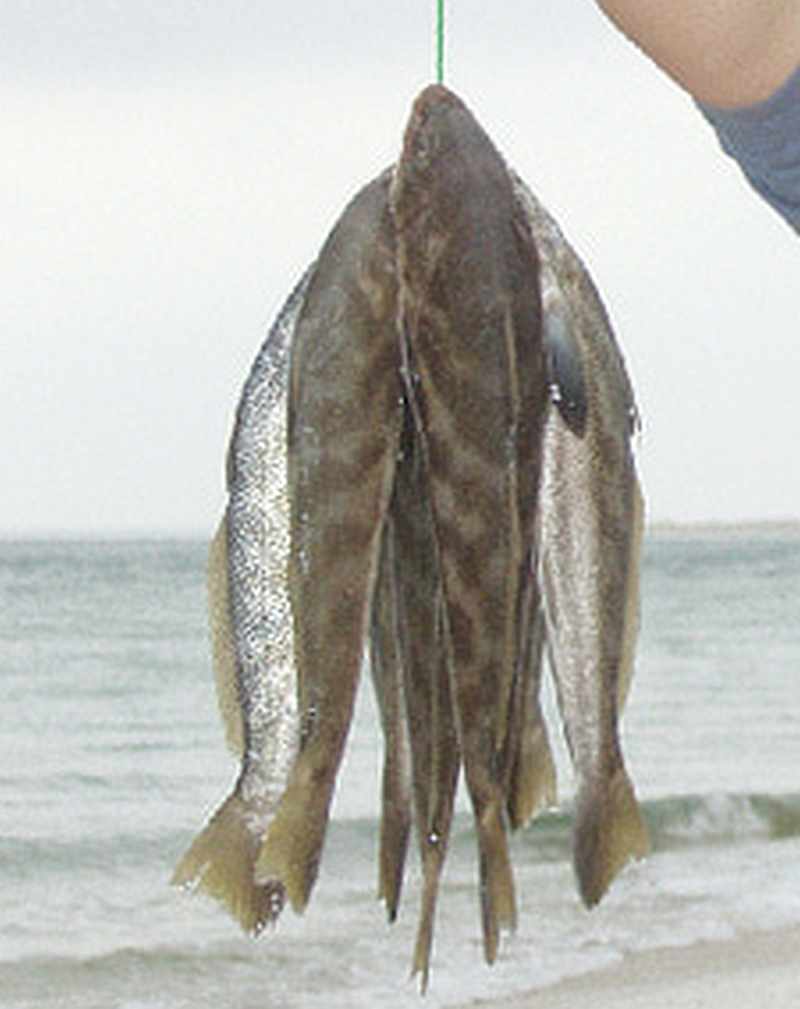 larger. larger. Baits of choice for Pompano are sand fleas, fresh cut clam, and small pieces of shrimp, in that order.
For Whiting, a small piece of peeled shrimp is hard to beat. Larger pieces get picked off and produce fewer bites. The deep troughs along parking lots #8 to #10 seem to be the most productive areas but I have had reports of some nice catches at lots #3 and #8 across from Eddy Creek.
An incoming tide at the break of dawn on a calm day is the perfect scenario for productive surf fishing but during March, you can't count on having many perfect days like that.
Till next time,
Tight Lines To You All! |
||
| Link One | Link Two | Link Three | Link Four | Link Five | Unsubscribe to this newsletter |