Your February 2015 Mosquito Lagoon & Indian River Fishing Forecast
Published: Sun, 02/01/15
| Newsletter Issue # 66 Fishing Forecast |
February 1, 2015 | |||||||
Mosquito Lagoon & Indian River Fishing | ||||||||
osquito Lagoon & Indian River The Super Bowl XLIX is on deck and so is some great fishing this February.
The water levels in the lagoons are dropping leaving clear shallow fishing conditions on the inshore flats that will make sight fishing the best we will see all year. Black Drum are averaging 20" to 25" but fish up to 40 pounds have been reported being caught in the area.
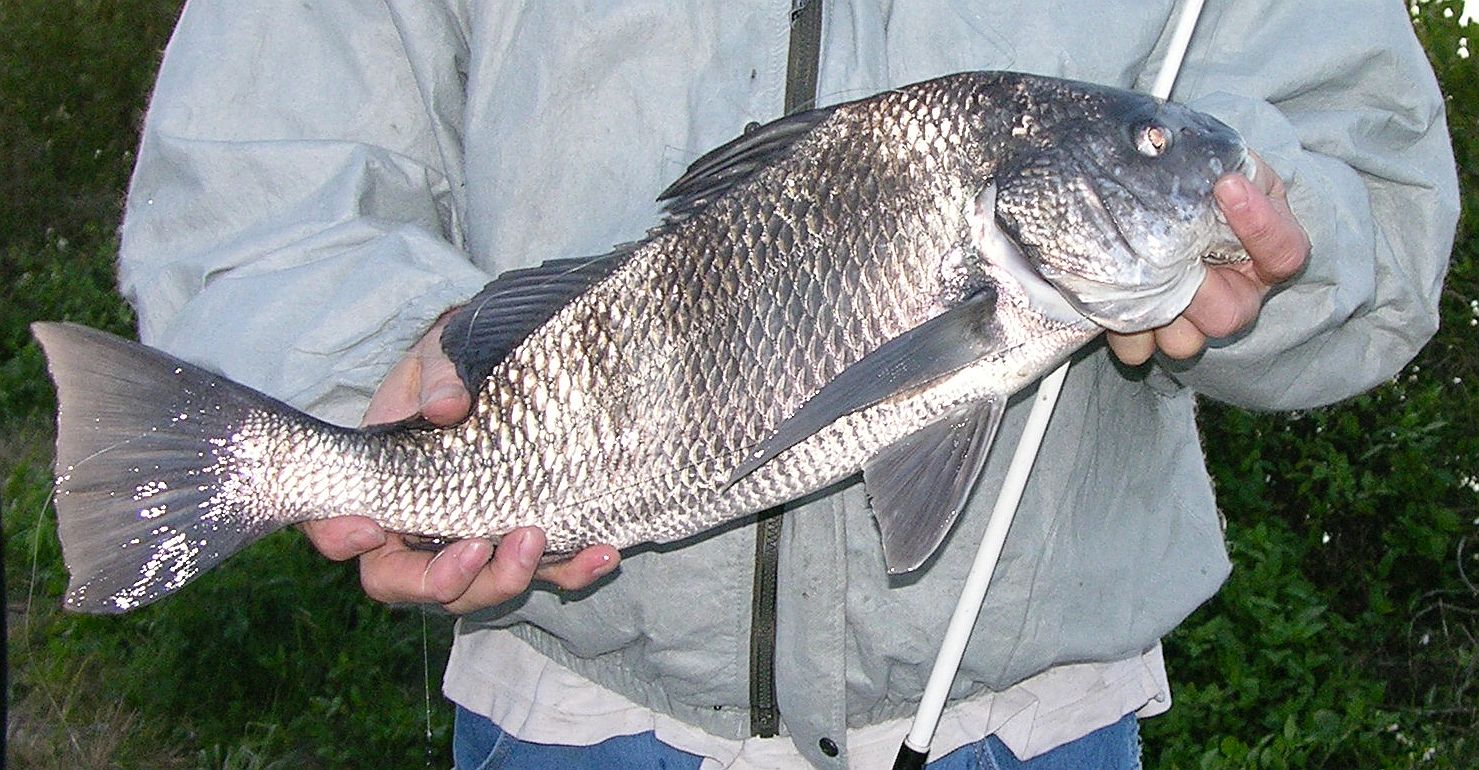
Schools of redfish along with some larger sea trout have been feeding on the shallower flats during the late afternoon hours when the water warms up. 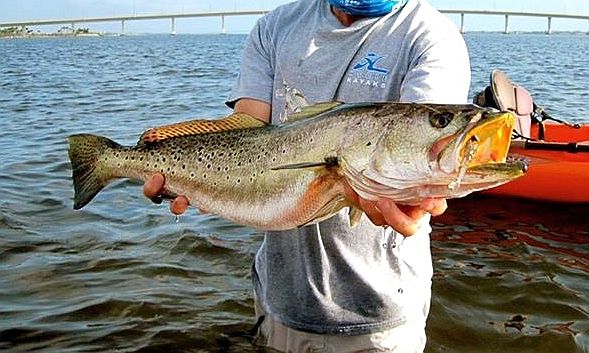 February on the Mosquito Lagoon and Indian River in central Florida is
noted for some windy fishing conditions, but fishing between the cold
fronts can be extremely productive especially for big sea trout in the
10 to 12 pound category.
___________________________ Sebastian Inlet 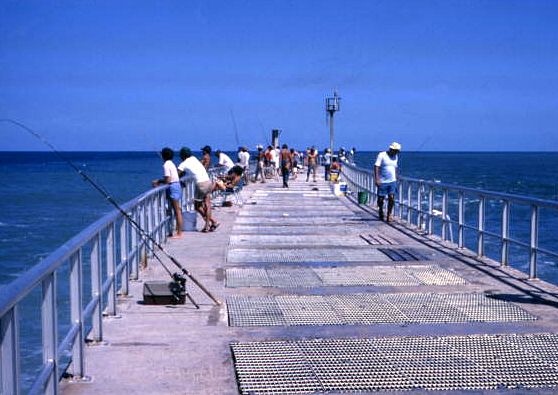 The Atlantic coast snook fishing season in Florida starts on Sunday, February 1st, and will last through the end of May. The Florida Fish and Wildlife Conservation Commission allows anglers to keep one Snook per day that falls in the slot measurement of 28 inches to 32 inches in length. Despite the Super Bowl, on February 1st. you can count on seeing crowds of fishermen lining the 750 foot north jetty of Sebastian Inlet and other locations along the Atlantic looking for a slot size Snook.The outgoing tides at Sebastian pull shrimp, crabs and a variety of bait fish from the Indian River though the inlet. This is followed by a clean ocean water flush of the inlet that occurs during the incoming tides.
From the inlet side, bank fishermen targeting Snook use an assortment of bucktail jigs, plastic grubs, flair jigs and diving plugs, primarily during the evening hours. At night you will usually find boaters power drifting the Inlet for Snook using a variety of live baits.
Fishermen use live mullet, croaker, pigfish, jumbo shrimp and other live baits for Snook with a great deal of success. Use just enough lead to make a natural drift just off of the rocky bottom.
If you trailer your boat to Sebastian, try fishing off the tip of the north jetty with live or fresh cut dead baits just off the bottom.
You can catch everything from Snook, redfish, huge black drum, snapper, Spanish mackerel, sheepshead, shark, bluefish and even a large late season flounder during February.
If you have never fished Sebastian Inlet, visit http://www.sebastianinletdistrict.com for current fishing reports and a look at their live web cam.
Sebastian Inlet park is about 15 miles south of Melbourne Beach on State Road A1A.
___________________________ Playalinda And Surrounding Beaches
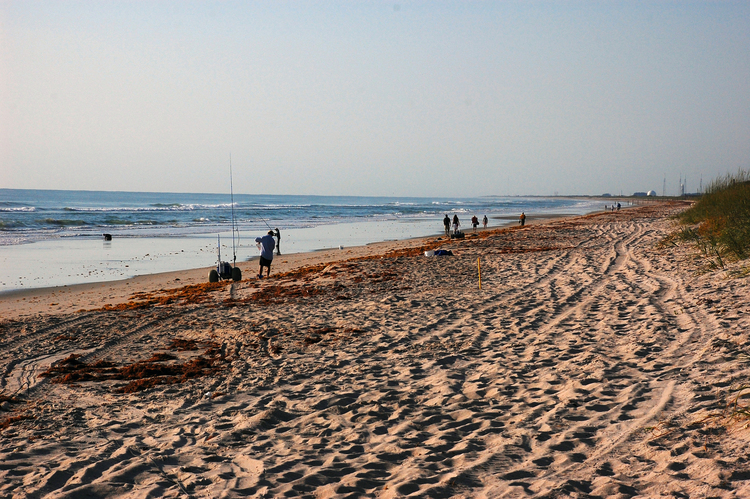 The surf fishermen at Playalinda Beach have been making decent catches of whiting, pompano, bluefish, Spanish mackerel and a few black drum in the surf. The surf fishermen at Playalinda Beach have been making decent catches of whiting, pompano, bluefish, Spanish mackerel and a few black drum in the surf. February should find surf fishermen targeting pompano, bluefish, weakfish, small black drum, sheepshead, Spanish mackerel and whiting off of all the beaches in central Florida.
Larger redfish and flounder will be around the inlets at Port Canaveral, Ponce De Leon, and Sebastian.
The cooler weather has improved surf fishing for pompano and as the month progresses, it should get better at Playalinda.
For pompano and whiting the baits of choice are sand fleas, clams or small pieces of fresh peeled shrimp.
If you're interested in catching bluefish, Spanish mackerel, or an occasional redfish or shark, use live or fresh cut mullet for bait.
Parking Lots #4 thru #11 are reported to be the most productive spots to fish, especially during the early morning on the last couple of hours of an incoming tide. During February, the beaches at Playalinda are relatively desolate and during the week you may find yourself alone on the beach. ____________________________
St. Johns River System
Crappie or Speckled Perch fishing in East Central Florida is in full swing and will continue to improve in all of the big lakes, rivers, and creeks.
In Lake Monroe, Black Crappie over 12" and two pounds are not uncommon. Drifting and trolling near the river channel and just offshore from the power plant on the northwest shore is extremely popular on this lake, but schools of Crappie can be located all over the lake. 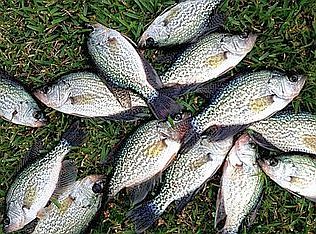 Crappie move inshore in late winter through early spring to spawn and appear to target bulrush when available in the right water depths. Good catches of Crappie are being reported in the St. Johns River but the larger slab side Crappie are being caught in Lake Harney, north of SR 46 between Geneva and Mims and farther south in Lake Washington, west of Melbourne. Both of these lakes are part of the St. Johns River system and produce some fine catches of Crappie. Lake Harney is a 6,000 acre lake that is easily accessed in Seminole County from the C.S.Lee Park boat ramp at the SR 46 bridge. Lake Washington is less crowded and much smaller. It can be accessed from the Lake Washington Road ramp or from Camp Holly, three miles south. Both of these lakes offer great slow trolling opportunities and have shorelines with shallow vegetation for spawning Crappie as they move in during full moon and new moon periods. Although the American shad run on the upper St. Johns River has not yet fully materialized, it is hoped to be in full swing by mid-February. Typically, good numbers of Shad should should have been caught by now but they have not showed up yet in the large concentrations considered normal for this time of the year. The numbers of American shad that have been reported caught is starting to pick up. Last week 7 American Shad and a Sunshine Bass was reportedly caught in the old Marina Isle area, and smaller numbers are being reported in other areas. The water levels in the St Johns River are still high and water temperatures are elevated, but as they drop into the traditional range, the run should improve in "Shad Alley". The area known as Shad Alley is the area of the St. Johns River from the east end of Lake Monroe to the south side of Puzzle Lake. This area usually begins to populate with spawning shad from mid December through mid March. The shad run normally peaks in February. Other well known hotspots for American shad in East Central Florida are the "S"
curves around Mullet Lake, the Jolly Gator sand bars just south of SR 46
east of Geneva, the Marina Isle area, the mouth of the Little Econ and the St. Johns river west of Hatbill Lake Park.
 Although some fishermen say spawning shad do not eat during spawning, when they come into the river system they eat shrimp and minnows.
Most Shad fishermen use ultralight spinning tackle or lightweight fly rods to catch these spawning fish with lures that resemble small minnows or shrimp.
This light equipment allows anglers the ability to cast the tiny artificial baits that the shad seem to prefer. A whip action spinning rod with hair thin line is all you need to cast a 1/16 or 1/32 oz. Blakesmore Road Runner to spawning shad. Pink and bright orange are popular colors in Shad Alley but any bright color shad dart, jig, or small spoon will catch fish.
You can find them by blind casting a Road Runner on a spinning rod while moving from spot to spot or by slow trolling. If you have a trolling motor, vary the speed from .8 to 1.2 mph until you find the right speed for the fish. Troll tandem Road Runners with willow blades until you find a concentration of fish. Then put down the spinning rod and use a fly rod for some great action.
The majority of American Shad caught are in the 3 to 4 pound category, but fish up to 6 pounds are not uncommon.
American Shad are hard fighting fish, tasty on the table, and can put up a great aerial display when hooked.
Near Shore And Offshore
Offshore, the King Mackerel are still present along the inshore reefs and wrecks, and they will remain there as long as the water temperature stays above 68 degrees.
When targeting kingfish this month, focus your efforts on the areas of 8A Reef, Pelican Flats, and Bethel Shoals to the south.
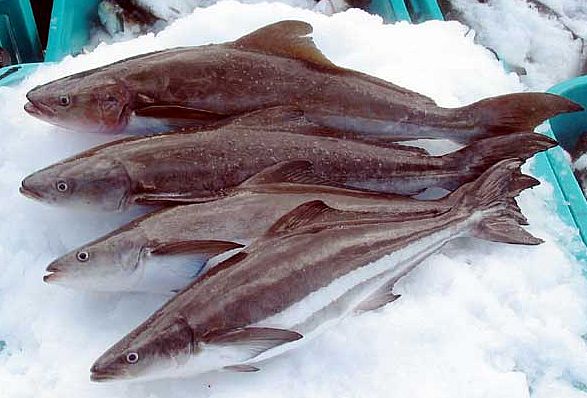 Look for cobia and amberjack to be present on the inshore wrecks like the Carol Lee, Dutch, and the Sub Wreck out of Port Canaveral.
Live bait is tough to come by this time of year, so always carry a box of frozen Spanish sardines with you as a backup. Closer to shore, look for tripletail concentrations to improve this month along the Port Canaveral buoy line and under floating weeds and structure. Also when the water temperatures reach the upper 60s, look for Cobia to move in shadowing the Manta Rays.
If we experience an extended period of warm weather or a mid winter thaw, look for a mid winter cobia run to begin.
Until next time,
Tight Lines To All!
| ||||||||
| Link One | Link Two | Link Three | Link Four | Link Five | Unsubscribe to this newsletter |