Your December 2014 Mosquito Lagoon & Indian River Fishing Forecast
Published: Mon, 12/01/14
| Newsletter Issue # 64 Fishing Forecast |
December 1, 2014 | |||||||
Mosquito Lagoon & Indian River Fishing | ||||||||
osquito Lagoon Well folks, Thanksgiving is gone and it looks like we are going to have an early winter. This should make December another productive month for Mosquito Lagoon sight fishing anglers.
Water clarity in the southern portion of the Mosquito Lagoon has improved enough to sight fish the sea trout and redfish that are prowling the flats.
The area from Van Slough to Cucumber Island has been producing redfish in the deeper pockets by fishermen using live fingerling mullet and cut baits after the sun comes over head.
The the gin clear sight fishing water that our area is famous for in the North part of the Lagoon around George's Bar, Hong Kong, and the Slippery Creek area is dirty from the winds and it is difficult to sight fish. Some redfish and sea trout are being caught but not in great numbers.
The redfish and black drum have been actively feeding on shrimp and crabs in the shallower flats. You can still catch reds on finger mullet but when you see their tails wagging above the surface, its a good bet that the fish are actively feeding on the bottom on crabs, marine worms, clams or shrimp.
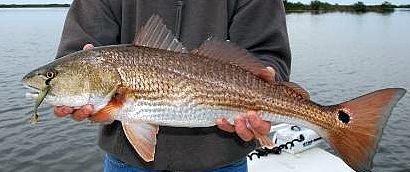 Free lining live shrimp on a light 3/0 or 4/0 circle hook with light line and a large enough split shot to make a decent cast is a good tactic for these fish. Tossing a DOA, Gulp Shrimp or Live Target shrimp smeared with some Pro-Cure
The Merritt Island National Wildlife Refuge is closed for the waterfowl season but you can still walk the area. Water levels in the marsh are extremely high right now, and black drum and redfish are feeding in the newly flooded areas for crustaceans. You can see them tailing and rooting around the weeds.
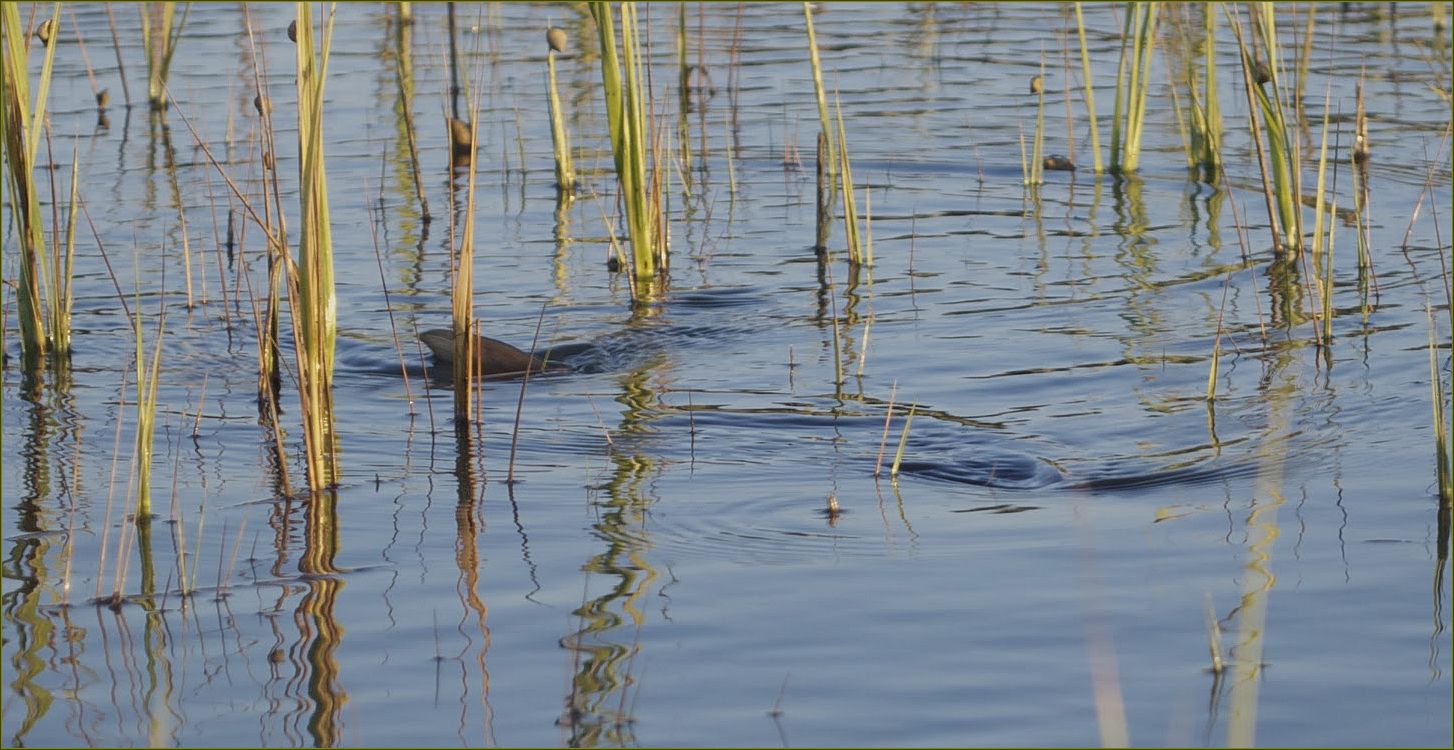 Tube baits, Cajun Crab, the Exude Fan Tail shrimp
When the cold fronts start blowing in from the Northeast and the water temperatures drop down into the 50 degree mark, many anglers start
fishing the canal systems in East Central Florida. The fish start moving into the deeper canals where the water is warmer and the fish become easier to locate.
The muddy bottoms in the deeper 6 to 10 foot cuts are warmer than the surrounding waters and are holding areas for black drum, sea trout, redfish and even an occasional Snook. Black Drum in particular have been getting more plentiful in the canal systems and fish over 10 pounds are a common catch. Gator Sea Trout cruise the edges of the canals during the winter months but most fish caught will be in the 14 to 19 inch category. Target the canals at first light and toss a free lined jumbo shrimp or finger mullet close to the mangroves or the deep water dropoffs. As water temperatures move back into the 60s, the fish will start migrating back into the river system.
For Canal fishing, gear up with light
spinning tackle with 6# braid or 10# mono, and about three
feet of 15 or 20 pound fluorocarbon.
Live shrimp on a number 1 or 1/0 short shank hook and a small
split shot about 15" or 16" above the bait is what is need to skip the bait to a deep water dock
piling or close in to mangrove roots. This technique is deadly on sea trout, slot reds and black drum.
For bigger sea trout, use a cork to keep the live shrimp swimming just above the bottom. The Halifax River, Indian River and Banana Rivers all have plenty of canals to fish during the winter months. Sykes Creek is another productive area to consider. The boat ramp on SR 520 is a good place to launch if you plan to fish the deep water docks in the Cocoa Beach area.
_______________________ Surf fishing
The most targeted species for East Central Florida surf fishermen this month, is without a doubt Pompano. As water temperatures drop from December through the end of March, surf casters will be lining up at various hot spots along the coast with their big surf rigs, sand spikes, and sand flea traps trying to locate and load up on these tasty fish.
Playalinda Beach just east of Titusville is a prime location for Pompano because of the deep trough that parallel that section of the coast. Playalinda's location immediately north of the tip of Cape Canaveral makes it a natural holding area for Pompano and many other winter migrants. The beaches north of the Canaveral National Seashore, the beach immediately north of Ponce Inlet, and the beaches around Patrick AFB between Melbourne Beach and Sebastian Inlet, are also prime Pompano areas for surf fishermen.
Sand fleas are by far the best bait for Pompano but fresh shrimp, chunks of clam and small jigs also produce well.
Surf fishermen using fresh cut baits can expect to pick up bluefish, shark and Redfish that are cruising the troughs. Although late November and December is when people start thinking about catching Pompano in the surf, Indian River fishermen can also get in on the action starting this month.
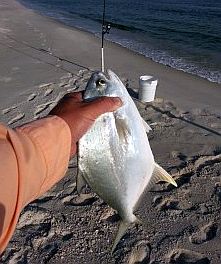 Schools of Pompano are beginning to congregate around the deeper water bridge pilings where they can be caught by boaters using small jigs and by pier fishermen. Schools of Pompano are beginning to congregate around the deeper water bridge pilings where they can be caught by boaters using small jigs and by pier fishermen. Try tossing any type of 1/4 to 3/8 oz. yellow or orange colored jig from the far end of either of Titusville's fishing piers, and hopping it back very slowly along the bottom.
Tandem jig rigs are also effective on light tackle, but the trick is to hop them back very slowly. When you catch one Pompano, there will usually be a small school around the same area.
The
two Melbourne Causeway bridges (US 192 and SR 518), the Wabasso Causeway
Bridge (SR 510), the new SR 406 bridge fishing piers at Titusville, the Port Orange bridge, and other areas in the Indian River are all potential hot
spots for river pompano starting this month.
_______________________
Near Offshore And Offshore Thanksgiving normally starts the annual Kingfish run out of Port Canaveral, but with the winds we have had, it could be tough fishing.
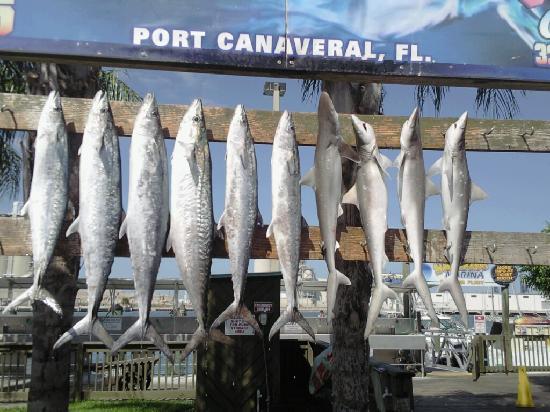 When you get a nice day, look North and South for diving Pelicans when you head out of the port. You may find them in 10 feet of water, or in 30 feet; every day is different. When you locate the birds break out your cast net and net up some pogies, mullet or whatever bait is in the school.
Send a couple of baits out on a 7/0 or 8/0 VMC circle hook tied on a 30 lb leader. Freeline one bait around the school and an egg sinker to the other bait and wait. If you don't hookup within a reasonable time, move to another school until you find fish.
If the water temperatures stay warm, look for Cobia and Tripletail along the Canaveral buoy line and off the bight of the Cape.
When seas are favorable, fish the inshore reefs and wrecks in 60 to 100 feet of water. The 8A reef out of Port Canaveral and the North end of Pelican Flats are usually good areas to target for Kingfish.
If you're a shark fisherman, try the Cocoa Beach area for Black Tips. If you ride North or South of Port Canaveral, you have a good shot of hooking up with either a 25 pound redfish, a nice Blacktip, a 200 pound Sand Tiger, or something even bigger this time of the year.
A bottom rod spooled with 100 pound braid, a large swivel with either 7 strand or solid wire in the 80/90lb class, and 3 to 4 feet of wire lead is a good rig to use. A 9/0 or 10/0 Mustad hook baited up with any fresh bait will get their interest; as will a chum bag.
Some guys catch small bluefish for bait, which is supposed to be excellent, but chunked up bonita, whiting, ladyfish, Spanish mackerel or any other fresh bait will do just fine.
You don't have to travel out too far; shark are usually in 15 feet of shallower water. The 25 foot depths have been hot this past week just off of Coco Beach.
_______________________
Port Canaveral
December is when Weakfish and Flounder start showing up around Port Canaveral.
A standard sliding sinker rig on 20 lb line with a swivel separating a short 12 to 15 inch fluorocarbon leader and a 4/0 or 5/0 hook is all you need for winter flounder. Bait up with a finger mullet, mud minnow or jumbo live shrimp and keep the rig in the strike zone on the bottom.
A lot of fishermen prefer using a plain jig head tipped with a live bait, and dragging the rig along the bottom. If you prefer using artificial baits, a plain white hair jig or a jig tipped with a soft plastic bait like a Trigger X will also get the job done when the fish are biting.
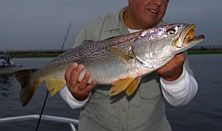 Weakfish populations fluctuate but they should also start showing up this month in the Port along the main shipping channel.
Weakfish will suspended 3 to 10 feet above the bottom and can easily be spotted on a fish finder.
Small jigs or a live shrimp in the strike zone should get you a hookup.
If you fish the jetties, you could also hook up with a pompano, sheepshead, black drum, whiting, snapper, or redfish this month.
Put a shrimp, fiddler crab, sand flea or cut clam right on, or close to the bottom, and use just enough weight to hold it in the strike zone.
Haulover Canal
Fishing in December is normally pretty reliable for redfish and black drum in Haulover Canal.
As cooler weather approaches, the winter shrimp run starts and the shrimp attract the sport shrimpers as wwll as predatory species like the sea trout, redfish, snapper, etc.
Local shrimpers will start setting up their light arrays along the banks of the canal as dusk approaches and often dip all night long.
The shrimp in Haulover Canal usually run much larger than their Oak Hill cousins, but they are not as plentiful. Hopefully, the cold snap we had this past week will trigger some action along the banks of Haulover Canal as well as the Max Brewer Causeway in Titusville
Shrimping activity on both Titusville fishing piers was less than expected during this time of the year but, the Thanksgiving holiday could be the reason why people stayed home.
The sport shrimpers I spoke with said the conditions were less than desirable for dipping shrimp. I'll be periodically checking as the season progresses to provide useful information as I receive it.
_________________________
Until then, Tight Lines To All! | ||||||||
| Link One | Link Two | Link Three | Link Four | Link Five | Unsubscribe to this newsletter |