Your April 2014 Mosquito Lagoon & Indian River Fishing Forecast
Published: Tue, 04/01/14
|
Newsletter Issue # 56 Fishing Forecast April 1, 2014 |
||||||||
Mosquito Lagoon & Indian River Fishing | ||||||||
he Mosquito Lagoon and Indian River
The bite has reportedly been very good in both the South Mosquito Lagoon and North Indian River.
March, April and May are typically the three best months in our area to target sow "Gator Trout", bull redfish and schooling black drum. The windy fishing conditions we experienced in March will taper off and stabilize in April, which is why I consider April one of the best months to target these game fish, especially large sea trout. The moderate temperatures and stable weather patterns we see during April and the months following, provide us with some of the best fishing of the year and almost always assures us lots of hungry active sea trout 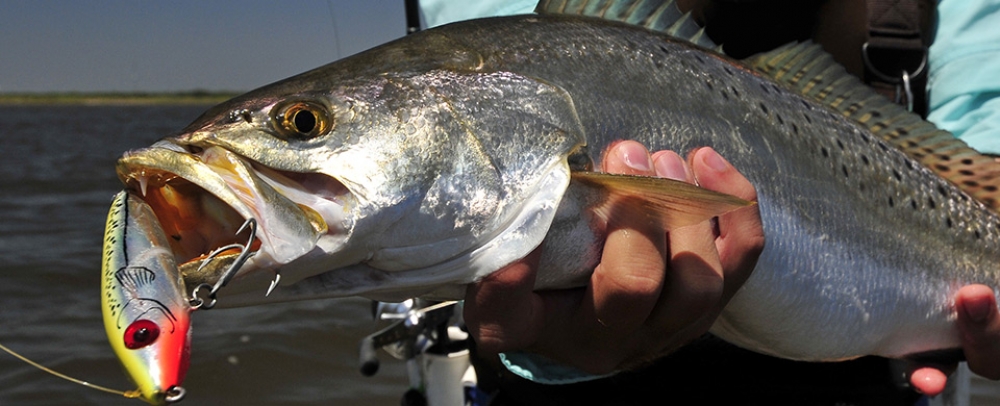 A more varied diet is also available to the fish population starting in April. This is the month when our spring run of finger mullet coincides with the strongest spring run of shrimp that we usually experience in the Indian River and Mosquito Lagoon system. In addition to the finger mullet that invade the the lagoon systems, pinfish, mud minnows, grunt and pigfish also become a stable diet for predators. As "April showers" raise the water levels in the lagoon systems; secluded back waters that are normally unfishable will be opened up to wade fishermen and anglers using shallow water flats boats, canoes and kayaks. Live and fresh dead shrimp usually account for most of the catches during April but when the mullet arrive in the lagoons en mass, it's hard to beat a live finger mullet or pigfish for catching a big Gator Sea Trout. An appropriately sized circle hook on a short length of fluorocarbon leader with a small split shot a foot or so above the bait is all you need to fish a live shrimp effectively. Hook the shrimp in the head and avoid hitting the dark spot to keep it alive. A killer method to use when you can't spot the fish is to dangle a live or artificial shrimp under a Cajun Thunder popper rig just off of a shallow water flat. Fish the rig as "noisy" as possible to get the fish interested in checking out your bait. Steady foot long jerks with a brief pause between jerks will get fish interested in the commotion. When they see the live shrimp under the float, it usually results in a hookup. Artificial shrimp like the D.O.A. also work well for those of us who can't stand waiting for the fish to find a live bait. There are many choices of plastic baits available and they all produce, especially when smeared up with some Pro-Cure fish scent. Their Inshore Saltwater formula has pheromones in it that literally make fish bite and hold on to the bait. The cold weather we had during February and March forced the sea trout to lay up in the sandy pot holes of the Mosquito and the North Indian River Lagoons. Literally hundreds of sea trout in the 10lb plus range could be found crammed in and around these shallow sandy spots. When the waters begin to warm up and hit the magic 70 degree mark during April, these fish will scatter and start feeding in earnest around the mullet pods. As water temperatures continue to rise and more bait pods invade our lagoon systems, the fish become more and more aggressive, especially when their breeding activity commences. 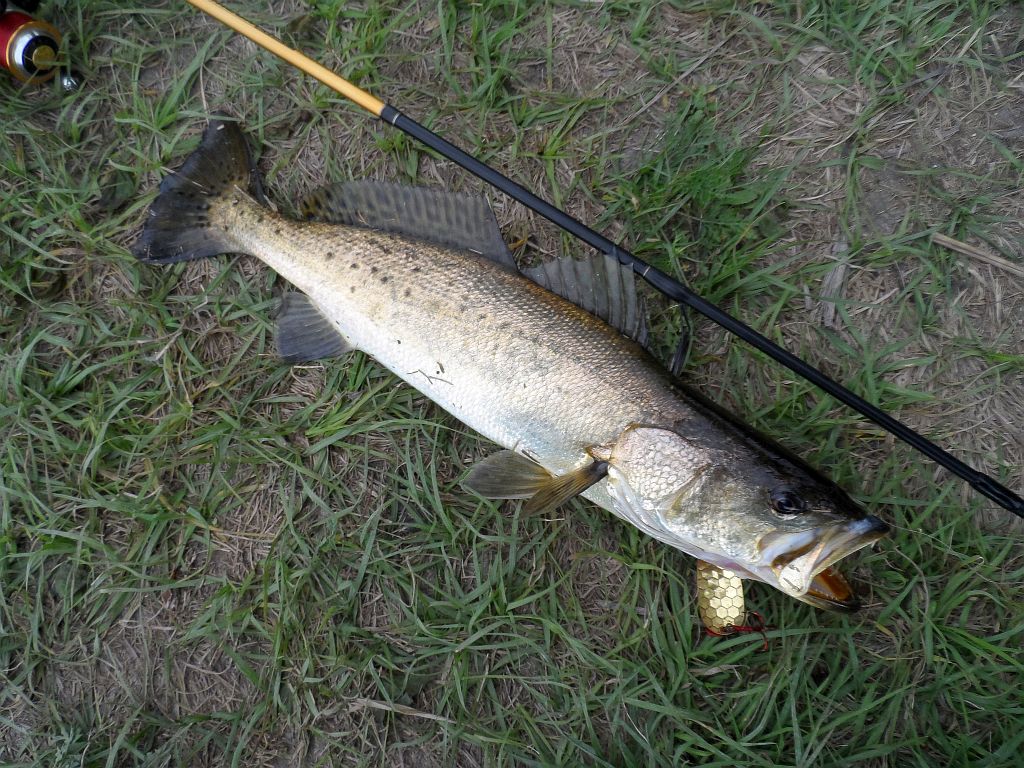 When this happens, start throwing topwater baits, suspending plugs, large silver or gold spoons or soft plastic baitfish imitations to catch big fish. Usually during mid to late April when the baitfish become more concentrated on the shallow flats, topwater Chug Bugs, Rapala Skitterwalks, MirroLures, Zara Spooks, Skitter Pops or Bomber Badonk-A-Donks start producing vicious strikes when worked slowly around the bait pods in the early morning hours. When the mullet pods start to invade the lagoon systems, live bait fishermen need to replace the live shrimp on their rigs with a live finger mullet, mud minnow or pigfish (aka Grunt). Nothing beats a freelined live pigfish or a pigfish under a Cajun Thunder Popper rig. A circle hook tied to a short length of fluorocarbon leader with a split shot is all a live bait angler needs to effectively fish a finger mullet.
As water levels rise and backwaters become flooded, the large winter schools of redfish will break up into singles and smaller groups and start to invade very shallow, previously inaccessible areas where you normally wouldn't expect them to be. When this happens, you can easily spot them tailing or locate them from the tell tale signs of moving sea grasses in very shallow (foot or less deep) water. The reds invade the shallows foraging for small baitfish, shrimp and crab that hide in the grass. You can sight cast to them with any bait resembling their forage. Match the hatch for success. Black Drum Although the chilly weather is still with us, April is when normal springtime weather conditions get the black drum schooling up in the North Indian River Lagoon around Titusville to spawn.
 Schooling juvenile black drum in the 5 to 10 lbs category are excellent table fare and you can expect to occasionally catch fish upwards of 25lbs.
These larger fish are also great eating earlier in the spring.
When fishing for black drum, a live or fresh dead shrimp, a chunk of clam or a cut section of crab will get you a bite fast.
Scented jerk baits also work well and even fly fishermen get in on the act. Any crab or shrimp pattern will get the job done. One guy I know uses Pro-Cure Shrimp/Prawn oil on his flies to increase his hookup ratio. Sport Shrimping
Shrimping from the Titusville, Fl. fishing piers has reportedly been getting better. However, harvests to date have been predictably inconsistent.
The locals I have been in contact with still complain that "the run this year isn't as good as in past years."
I hear this story every year!
Here are some interesting facts about sport shrimping that may interest you guys:
At night on the Titusville fishing piers you can often catch some nice keeper sea trout around the shrimp lights. Unfortunately, most of them are under the slot.
When go sport shrimping and few to no shrimp are spotted on the surface, remember that the shrimp you see on the surface are only a small part of what actually drifts past you below the surface.
I was shrimping one evening in Haulover Canal and had only dipped a few shrimp from the surface, so I added an extension and dropped the net down into the current just to see if anything was there.
I kept the net submerged in the water for a couple of minutes and was surprised to see several nice jumbos in the net.
I had a similar experience in Oak Hill when shrimping with a neighbor. We dropped a frame net deep and had our limit in ten minutes.
The "regulars" are saying that April should be a good month for sport shrimping this year. We shall sees Near Offshore Fishing out of Port Canaveral this April should be killer as soon as water temperatures reach the 67 to 70 degrees mark.
Cobia
When all conditions are right, Cobia can be caught within three to four miles of the beaches.
We will need clean water, water temps between 67 and 70 degrees, manta rays and clear sunny days for spotting the cobia on or near the surface.
Look for better numbers outside of Port Canaveral and Sebastian Inlet. 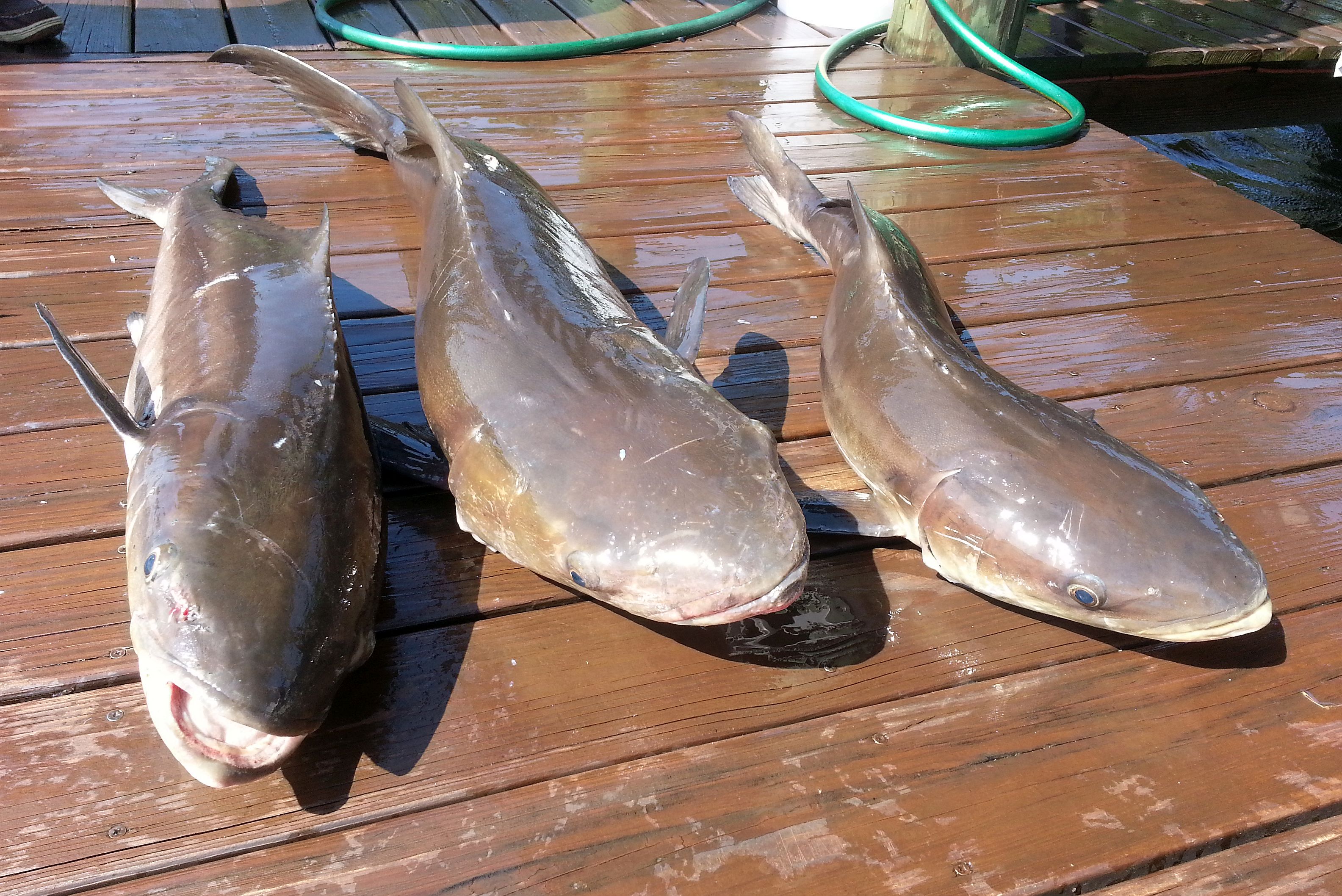 By mid to late April, more cobia should be offshore of Ponce Inlet. Generally, the early cobia are smaller fish under 39 pounds, but we always hear about the occasional catches of heavyweights in the 60 pound or better category.
A major factor is te appearance of manta rays. When the manta rays move inshore to feed, the cobia feed along side of the rays which are scouring up crabs and small fish.
Even if you don't spot a Cobia, it's a good idea to shoot a couple of casts to the area of the ray.
Average size Cobia have been arriving near offshore throughout the month of March, and as the Manta Rays start moving closer inshore, cobia should start appearing in greater numbers.
Sometimes Cobia will swim slightly deeper than the rays trying to pick off a meal and a couple of well placed casts next to them with a brightly colored jig or a jig and eel will often get you a strike.
In addition to Manta Rays, singles and small pods of Cobia will often shadow sea turtles and whale sharks. So if you spot a turtle or happen to run across a whale shark, it never hurts to make a few casts in it's direction.
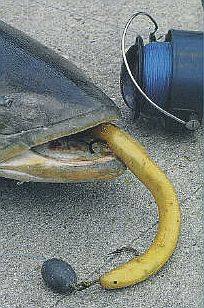 Some Cobia are now reportedly being caught south of Port Canaveral
to Patrick A.F.B. by fishermen using bright colored jigs, live bait and
live, plastic or gulp eels. Some Cobia are now reportedly being caught south of Port Canaveral
to Patrick A.F.B. by fishermen using bright colored jigs, live bait and
live, plastic or gulp eels. Tarpon, King Mackerel and Tripletail will also be showing up in increasing numbers during April as the water temperatures hit the magic numbers.
When the migrations of pogies, herring and finger mullet increase up and down the coast we can expect kingfish, jacks, bluefish and tarpon to be following just offshore.
Tripletail
Tripletail is one of the best eating fish in the ocean and April is when the they start showing up in the local fish markets and in greater numbers around the Port Canaveral ship channel markers.
These "dinosaur" cousins are extremely popular with small craft fishermen and are found throughout the month of April just outside the Port near floating weed lines, crab traps, channel markers and other structure.
Live or fresh dead shrimp, small jigs, D.O.A. shrimp and even soft plastic paddletail baits fished on light 8# to 10# line with a 20# fluorocarbon leader are some "go to" baits.
Although sight casting is the preferred method of fishing for tripletail, always cast around structure, floating or submerged, even if you don't spot fish. They often hang just below floating structure, even down an anchor line or chain.
When sight fishing for tripletail, try a live shrimp pegged to a small
No. 1 or No. 2 circle hook, with a length of 20# fluorocarbon
leader. Try to approach tripletail from down current and
downwind so you can let the bait drift naturally toward the fish.
I recommend using Power Pro braid with a long fluorocarbon leader in lieu of monofilament in case you hook up with one of the bruisers.
Till Next Month, Good Fishing & Tight Lines! | ||||||||

| Link One | Link Two | Link Three | Link Four | Link Five | Unsubscribe to this newsletter |