Your March 2014 Mosquito Lagoon & Indian River Fishing Report
Published: Sat, 03/01/14
| Newsletter Issue # 55 Fishing Forecast |
March 1, 2014 | |
Mosquito Lagoon & Indian River Fishing | ||
Mosquito Lagoon & Indian River Fishing
March and November are the two months of every year when you can count on the winds to be blowing.
Fortunately, unless the gusts are causing dangerous boating conditions, you can still catch fish and even use the wind to your advantage.
One good tactic to use during March is to fish the lee shorelines, especially when the wind has been blowing in from the same direction for a few days. Schools of baitfish will travel with the wind and congregate in areas where the wind is stopped by a land mass. This can be the shoreline, a spoil island or a bridge abutment. Wherever you find baitfish congregations, you will find redfish, sea trout and other predators. Persistent strong winds will push floating sea grasses towards the windward shorelines. This leaves the calmer leeward waters free from floating grass and is the perfect area for fishing topwater plugs, soft baits, suspended lures or fly patterns. When conditions are too windy to cast artificial baits, you can always anchor in a strategic spot or fish from the bank and toss a live mullet, pinfish, shrimp or blue crab into a pothole or any clean sandy spot and wait. Fresh dead shrimp, cut ladyfish, and blue crab work almost as well as live baits. 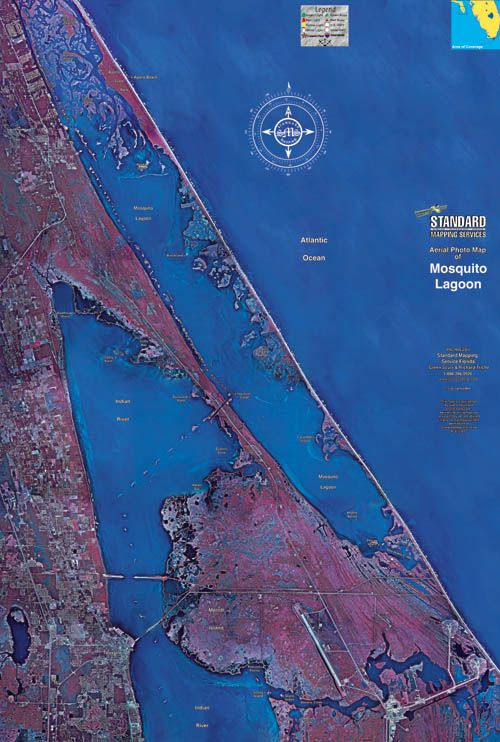 The Mosquito Lagoon is a vast waterway which can be divided into three general fishing areas. The Mosquito Lagoon is a vast waterway which can be divided into three general fishing areas. The Northern section around Oak Hill and Apollo Beach, the Middle section at Tiger Shoals, and the Southern section at Cucumber Island and going farther south, the Whale Tail. The most popular part of the lagoon is the middle section around the Tiger Shoals area. Directly adjacent to Playalinda Beach and east of Tiger Shoals are a bunch of small islands where redfish and big sea trout munch on fiddler crabs, small baitfish and anything else they can put in their mouths throughout the year. This area is where you will find redfish schools tailing in very shallow waters and sandbars.
Directly West of Tiger Shoals across the ICW are a series of islands called the "klinkers" where you can usually find slot redfish and gator sea trout in the warmer backwaters feeding on shrimp, crab and small baitfish. Although the middle section is the most popular with many fishermen, the southernmost section around the Whale Tail is more convenient for me and seems to be more productive. You can easily see the potholes in this area by wading out from the bank or fishing from a flats boat, canoe or kayak. Spotting singles and large schools of redfish becomes easier the more you are on the water.
As the waters warm up, March should be a stellar month for gator sea trout in the Mosquito Lagoon as well as the grass flats of the Indian River.
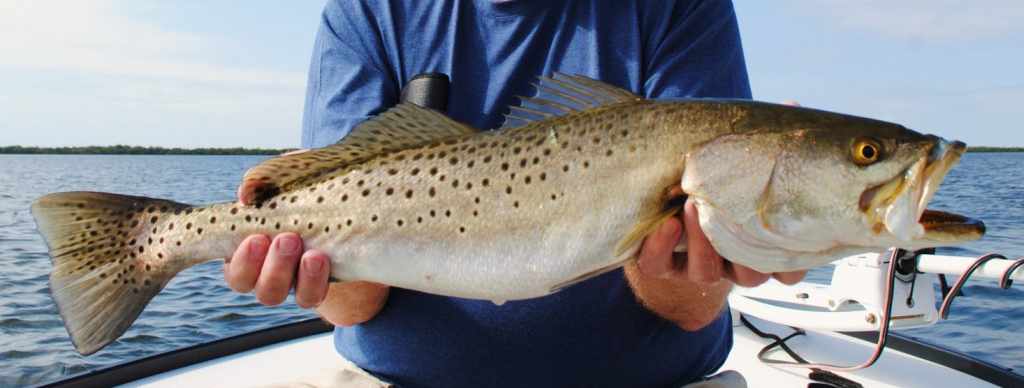 Large gator sea trout stake out spots around potholes waiting in ambush for anything that resembles an easy meal to swim by.
The "go to" baits for early morning fishing are topwater lures like the Zara Spook, Chug Bug, Bomber Saltwater Grade Badonk-A-Donk A slow steady retrieve usually works best and will not spook the fish unless you toss the lure directly on top of the fish. I know, I do it a lot! Soft plastic paddle tail baits or shrimp imitations juiced up with Pro-Cure or some other scent will produce around pot holes later on in the day. Gold spoons like the Johnson's Sprite and the weedless Johnson's Silver Minnow are great for redfish and sea trout. When water clarity is not up to snuff, I like to toss a spoon around to locate the fish. Spoons cover more water faster and often trigger strikes when everything else fails.
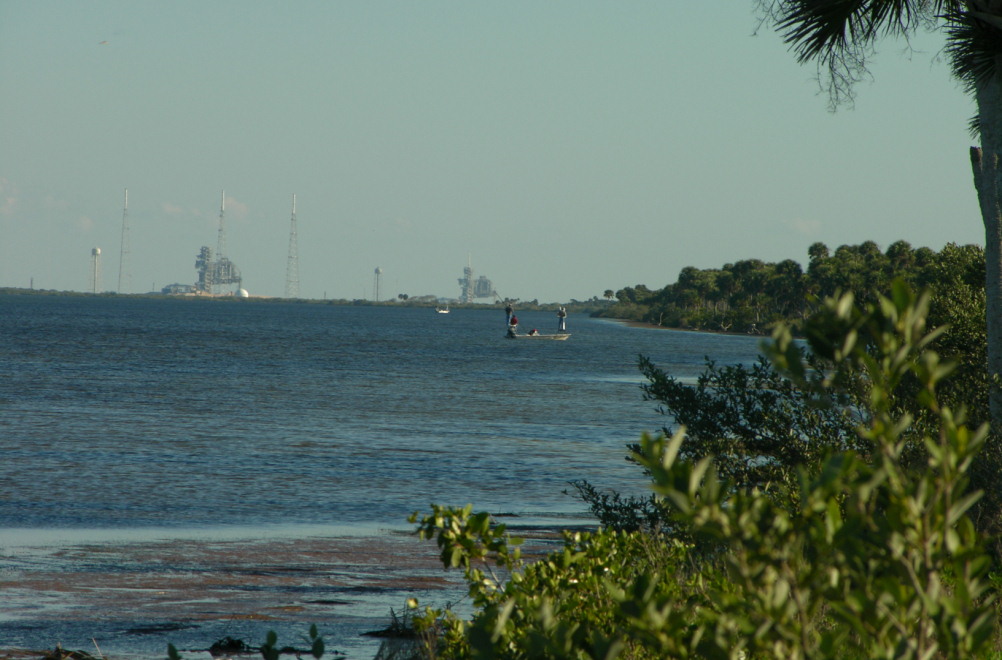
The area directly south of Peacocks Pocket kayak launch, west of Stony Island and close to the KSC barrier is a great area for redfish, sea trout and black drum this time of the year. Kayakers paddling the shallows of the Indian River south of
Peacocks Pocket, all the way up the East bank of the river are finding
schools of black drum around the leeward sides of the islands during
windy days, and March will have plenty of windy days
You will also find large schools of black drum in
the shallow water flats of the Mosquito Lagoon, North Indian River
Lagoon, and around the sandbars in the Banana River No-Motor-Zone. Live shrimp under a cork will usually produce when everything else fails but a scented paddletail bait bounced off the bottom is hard to beat in these areas.
The Merritt Island National Wildlife Refuge is beginning to produce slot size and better sea trout as well as slot reds when you can spot them. A free fishing permit must be carried with you in addition to your regular fishing license when fishing the refuge.
Bank fishermen around Peacocks Pocket road have been catching some nice redfish on mud minnows, fresh or fresh dead shrimp and cut baits in both the Indian River and marsh areas. As March progresses and the warmer waters draw schools of finger mullet back into the central Indian River flats, the topwater bite for gator sea trout will improve considerably in all these areas. ___________________________
Port Canaveral Near - Shore
When the surface temperatures hit 67 to 70 degrees, the seas are relatively calm and a solid run of baitfish occurs, it will be prime conditions to go Cobia Hunting near shore. This year we can again expect to see the Cobia ganged up in good numbers between Sebastian Inlet and Port Canaveral.  In past years, Port Canaveral has been a hotbed for Cobia which is why they call it March Madness. In past years, Port Canaveral has been a hotbed for Cobia which is why they call it March Madness.Fish up to 60 and 70 pounds are routinely caught on the surface by sight fishermen during calm days and sunny skies, usually between 10 am and 3 pm.
If the fish haven't been exposed to too much fishing pressure, the best baits to use are brightly colored hair jigs or plastic grubs.
Lime green, chartreuse and white are considered prime colors however, a hair jig with a brightly colored plastic worm or a Gulp eel trailer is also deadly on Cobia.
Some other near-shore options for March fishing are the tripletail that hang around weeds, marker buoys and floating structure as well as large "Bull" redfish and sharks that shadow the bait pods near the beaches and inlets. Tripletail hang around just outside of Port Canaveral holding around floating debris, seaweed or the shipping channel markers. Small jigs, DOA artificial shrimp or a free lined shrimp will get you a hook up. During March, we also occasionally get a short run of Spanish mackerel along the beaches and the inlet jetties. When this occurs, Jetty Park at Port Canaveral and the north jetty pier at Sebastian Inlet farther south are prime locations for Spanish mackerel during the run. You can launch your boat at either Freddie Patrick Park adjacent to Sunrise Marina or at Port's End Park next to Scorpions New Port Marina. The Coco Beach Fishing Pier and the fishing piers in the Daytona Beach area are also good spots to fish for Spanish mackerel for non boat owners. _________________________
Surf Fishing As the waters warm and a major change to the spring wind and weather patterns take effect, March surf fishermen should expect to see an increase in their Pompano catches.
Although surf anglers have experienced a better than average year so far fishing for pompano, whiting, mackerel, drum and sheepshead, March should be even better. Here are a few tips you might be interested in.
Till next time,
Tight Lines To You All! | ||
| Link One | Link Two | Link Three | Link Four | Link Five | Unsubscribe to this newsletter |